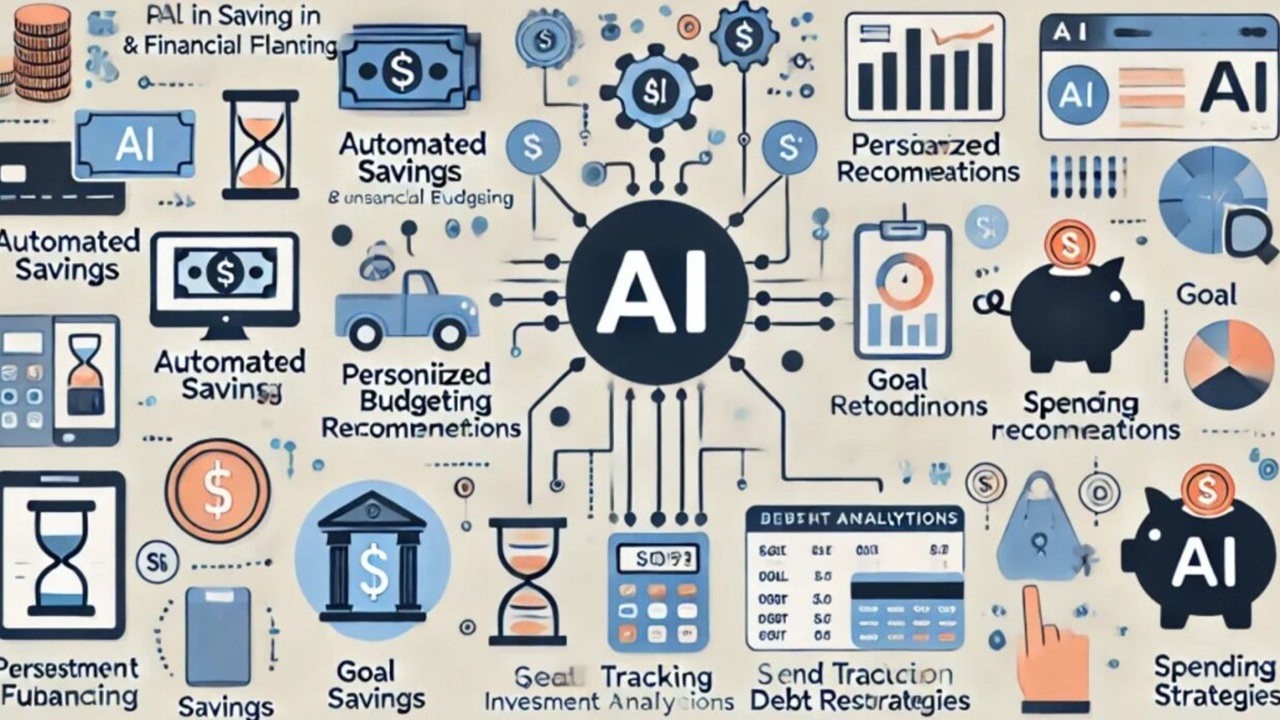
Managing money used to mean spreadsheets, guesswork, and a lot of trial and error. Today, things feel very different. With AI powered calculators, you can plan your finances with more clarity, less stress, and far better accuracy.
Whether you are trying to track daily expenses, calculate loan payments, or plan long term savings, AI tools now act like a personal finance assistant sitting quietly in your pocket. They do not just calculate numbers. They analyze patterns, predict outcomes, and help you make smarter decisions based on your real financial behavior.
In this guide, we will explore the top AI calculators for finance and budgeting, how they work, and how you can use them to take control of your money in a practical and realistic way.
Why AI Calculators Are Changing Personal Finance
Most traditional calculators are simple. You enter numbers and they give you results. That is useful, but limited.
AI calculators go a step further. They learn from your inputs over time. They recognize spending habits. They can even suggest better ways to allocate your money based on your goals.
For example, instead of just telling you how much you spend in a month, an AI budgeting calculator might tell you why your expenses are increasing and what small changes could save you thousands over a year.
This shift from calculation to insight is what makes AI tools so powerful.
Key Features to Look for in AI Finance Calculators
Before choosing a tool, it helps to understand what separates a basic calculator from a truly smart one.
A good AI finance calculator should offer:
- Real time data analysis
- Personalized recommendations based on your habits
- Easy integration with bank accounts or manual input options
- Clear visual breakdowns of spending and savings
- Forecasting for future expenses and goals
- Simple and clean interface that does not overwhelm you
When these features come together, you get a tool that feels less like software and more like guidance.
Top AI Calculators for Finance and Budgeting
1. AI Budget Planner Calculators
These tools focus on helping you manage your monthly income and expenses.
You enter your income, fixed costs, and daily spending habits. The AI then breaks everything down into categories and suggests realistic budgets. It can even adjust your budget dynamically if your spending changes.
What makes them useful is how they reflect real life. If you overspend one week, the calculator adapts your plan for the rest of the month instead of just showing a static result.
Best for: Daily budgeting and expense tracking
2. AI Savings Goal Calculators
Saving money is easy in theory, but hard in practice. AI savings calculators make it more achievable.
You set a goal such as buying a phone, building an emergency fund, or planning a vacation. The calculator analyzes your income and expenses, then suggests how much you should save weekly or monthly.
Some advanced tools even recommend small lifestyle changes that can help you reach your goal faster without feeling restricted.
Best for: Goal based savings planning
3. AI Loan and EMI Calculators
Loan calculators are among the most widely used tools, but AI versions are much more helpful.
Instead of just calculating EMI, these tools evaluate your financial situation and suggest better loan terms. They can show you how changing interest rates, tenure, or down payment affects your total cost.
You also get a clear picture of how much interest you will pay over time, which often helps users make more cautious decisions.
Best for: Understanding loans and managing debt
4. AI Investment Return Calculators
Investing without planning can lead to unpredictable results. AI investment calculators bring more structure to your strategy.
You can input expected returns, risk levels, and investment duration. The AI then simulates multiple scenarios to show potential outcomes.
Some tools also suggest diversified portfolios based on your risk tolerance. This makes them especially helpful for beginners who are not sure where to start.
Best for: Long term financial planning and investing
5. AI Expense Split Calculators
If you live with roommates or share expenses with friends, this tool can save a lot of confusion.
AI expense split calculators track shared spending and automatically calculate who owes what. They can also detect patterns and suggest fair ways to divide recurring costs.
This is particularly useful for groups that want transparency without constant manual calculations.
Best for: Shared budgeting and group expenses
6. AI Retirement Planning Calculators
Planning for retirement often feels overwhelming because it involves many variables.
AI retirement calculators simplify this by analyzing your current savings, expected income, and future expenses. They then estimate how much you need to save regularly to maintain your desired lifestyle.
Some tools even adjust projections based on inflation and changing income levels, giving you a more realistic long term view.
Best for: Future financial security
How AI Calculators Help You Make Better Decisions
The real value of these tools is not just in saving time. It is in improving decision making.
When you can clearly see where your money is going, it becomes easier to cut unnecessary expenses. When you understand how loans impact your finances, you become more cautious about borrowing. When you have a clear savings plan, you are more likely to stick to it.
AI adds another layer by turning raw data into meaningful suggestions. Instead of guessing what to do next, you get clear guidance based on your actual financial behavior.
Real Life Example
Imagine someone earning a steady monthly income but struggling to save.
Using a basic calculator, they might see their total expenses but not understand the problem. With an AI budgeting calculator, they might discover that small daily expenses such as food delivery are adding up significantly.
The tool might suggest reducing those expenses slightly and redirecting the saved amount into a savings goal. Over a year, this small change could lead to noticeable financial improvement.
This kind of insight is what makes AI calculators feel practical rather than theoretical.
Tips to Get the Most Out of AI Finance Calculators
To use these tools effectively, keep a few simple habits in mind.
Be honest with your inputs. The accuracy of results depends on the data you provide.
Update your information regularly so the AI can adjust its recommendations.
Start with one goal instead of trying to manage everything at once.
Use the insights as guidance, not strict rules. Your financial situation is unique, and flexibility matters.
When used consistently, these tools can become part of your daily financial routine without feeling like extra work.
Common Mistakes to Avoid
Even the best tools cannot fix poor habits completely.
Relying only on automation without understanding your finances can lead to blind decisions.
Ignoring recommendations defeats the purpose of using AI tools.
Overcomplicating your setup with too many tools at once can create confusion.
Keeping things simple and consistent usually leads to better results.
The Future of AI in Finance and Budgeting
AI in personal finance is still evolving. In the coming years, these calculators will become even more personalized.
We are likely to see tools that predict financial problems before they happen, suggest real time adjustments, and integrate seamlessly with all aspects of daily spending.
The goal is not just better calculations. It is better financial confidence.
Final Thoughts
Money management does not have to feel overwhelming. With the right AI calculators, it becomes more manageable and even a bit intuitive.
These tools are not about replacing your judgment. They are about supporting it with better information and clearer insights.
If you start small and stay consistent, you will notice the difference. Not just in your numbers, but in how you think about money.
And in the long run, that mindset shift matters more than any single calculation.
Leave a Reply