Blog

  • Pregnancy Test and Due Date Calculator Guide

    Pregnancy Test and Due Date Calculator Guide

    Understanding pregnancy often begins with two important steps: confirming it and estimating when the baby will arrive. While both may seem simple at first glance, there is more behind a pregnancy test and due date calculation than most people realize. From hormone levels to cycle timing, small details can affect accuracy. This guide walks you through everything in a clear and practical way so you can feel more confident during this stage.

    How Pregnancy Tests Work

    A pregnancy test detects a hormone called human chorionic gonadotropin. This hormone starts developing shortly after a fertilized egg attaches to the uterus lining. It is commonly known as hCG.

    Home pregnancy tests check for this hormone in urine. Blood tests done in clinics can also measure it and are often more sensitive.

    When hCG Appears

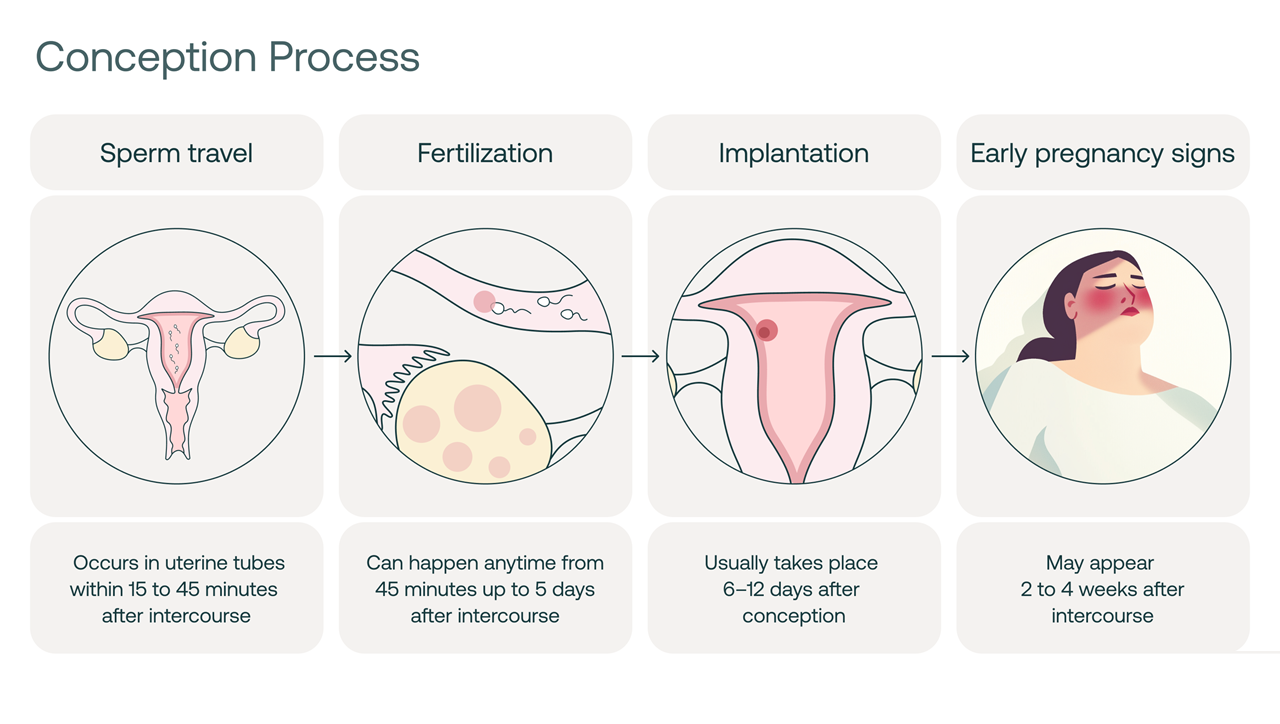
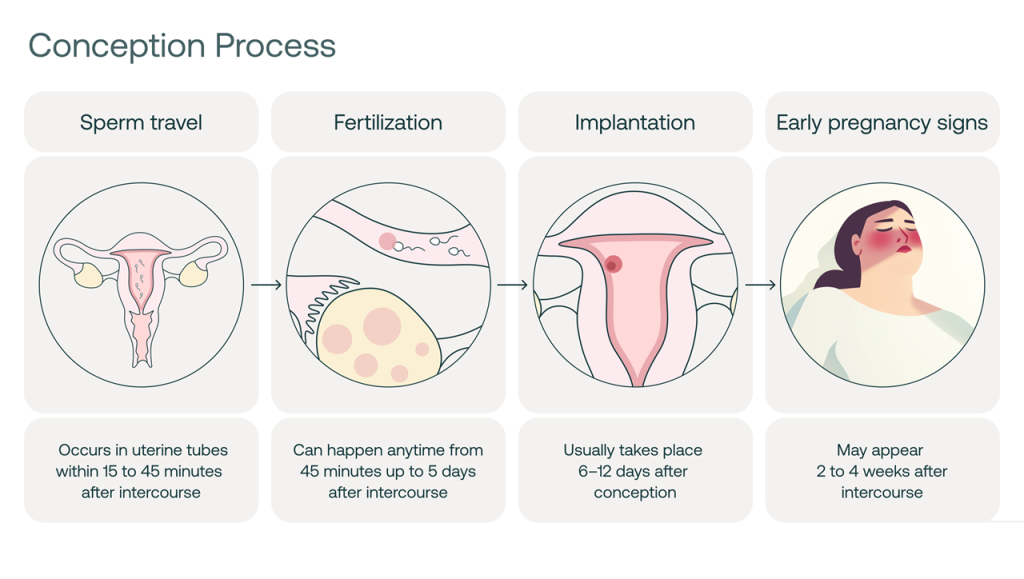
    After ovulation, if fertilization occurs, the embryo attaches to the uterus within about 6 to 10 days. Once implantation happens, hCG begins to rise. However, it does not rise instantly to detectable levels.

    Most home tests work best if taken after a missed period. Testing too early can result in a false negative because hCG may still be too low.

    Types of Pregnancy Tests

    There are two main types:

    Urine tests
    These are widely available and easy to use at home. Some claim early detection, but results are more reliable after a missed period.

    Blood tests
    These are done in medical settings and can detect pregnancy earlier than urine tests. They can also measure exact hCG levels.

    When to Take a Pregnancy Test

    Timing plays a major role in accuracy. Many people feel anxious and test too early, which often leads to confusion.

    The best time to take a test is:

    After your missed period
    Using first morning urine for higher hormone concentration
    At least 10 to 14 days after ovulation if you track cycles

    If you test early and get a negative result but still suspect pregnancy, it is better to wait a few days and test again.

    Understanding Test Results

    Pregnancy tests usually show results as lines, symbols, or digital words.

    Positive result
    A positive result means hCG has been detected. Even a faint line often indicates pregnancy.

    Negative result
    A negative result means hCG was not detected. However, early testing can lead to false negatives.

    Invalid result
    Sometimes a test may not work properly. This can happen due to incorrect usage or a faulty kit.

    Common Mistakes to Avoid

    Many people unknowingly reduce the accuracy of pregnancy tests. Some common mistakes include:

    Testing too early
    Drinking excessive water before testing
    Not following instructions carefully
    Reading results outside the recommended time

    Paying attention to these details can make a big difference.

    Early Signs of Pregnancy

    While a test confirms pregnancy, your body may show signs even before testing.

    Missed period
    Mild cramping
    Breast tenderness
    Fatigue
    Frequent urination
    Nausea

    Not everyone experiences the same symptoms. Some may notice changes early, while others may not feel anything unusual.

    What Is a Due Date Calculator

    Once pregnancy is confirmed, the next question is usually about the expected delivery date. A due date calculator helps estimate when the baby might arrive.

    Doctors often use the first day of the last menstrual period to calculate the due date. This method assumes a regular 28 day cycle.

    How Due Date Is Calculated

    The most common method is known as Naegele’s rule. It works like this:

    Take the first day of your last period
    Add one year
    Subtract three months
    Add seven days

    For example, if your last period started on January 1, your estimated due date would be around October 8.

    Alternative Methods

    If you track ovulation or know the exact conception date, the calculation may be more precise.

    Ovulation based calculation
    Add 38 weeks to the ovulation date

    Ultrasound method
    Early ultrasounds measure the size of the embryo to estimate gestational age

    Why Due Dates Are Estimates

    A due date is not an exact prediction. It is an estimate based on averages. Only a small percentage of babies are born exactly on their due date.

    Factors that affect delivery timing include:

    Length of menstrual cycle
    First pregnancy versus later pregnancies
    Health conditions
    Genetic factors

    Most babies are born within a window of two weeks before or after the due date.

    Using a Pregnancy Due Date Calculator Tool

    Online calculators simplify the process. You only need to enter one of the following:

    First day of last period
    Conception date
    IVF transfer date

    The tool then calculates your estimated due date and pregnancy timeline.

    Benefits of Using a Calculator

    Quick and easy estimation
    Helpful for planning doctor visits
    Provides weekly pregnancy milestones
    Useful for tracking development

    However, it should not replace medical advice. Always confirm details with a healthcare provider.

    Understanding Pregnancy Timeline

    Pregnancy is divided into three trimesters.

    First trimester
    Weeks 1 to 12
    This is when major organs begin forming. Many people experience nausea and fatigue.

    Second trimester
    Weeks 13 to 26
    Energy levels often improve. The baby’s movements may become noticeable.

    Third trimester
    Weeks 27 to birth
    The baby grows rapidly. Physical discomfort may increase as delivery approaches.

    Knowing your due date helps you understand where you are in this timeline.

    Combining Pregnancy Tests and Due Date Calculations

    These two tools work together. First, a pregnancy test confirms the condition. Then, a due date calculator helps map out the journey ahead.

    For example:

    You take a pregnancy test after a missed period
    It shows positive
    You enter your last period date into a calculator
    You get an estimated due date and pregnancy week

    This simple process provides clarity and direction during early pregnancy.

    When to See a Doctor

    While home tools are helpful, medical confirmation is essential.

    You should consult a doctor if:

    You get a positive pregnancy test
    You have irregular cycles and are unsure about dates
    You experience unusual symptoms such as severe pain or bleeding

    Doctors may perform blood tests or ultrasounds to confirm pregnancy and refine the due date.

    Tips for Accurate Tracking

    Keep a record of your menstrual cycle
    Track ovulation if possible
    Use reliable pregnancy test brands
    Avoid testing too early
    Follow instructions carefully

    These small steps can improve both test accuracy and due date estimation.

    Emotional Side of Early Pregnancy

    Beyond numbers and calculations, early pregnancy is also an emotional experience. Some people feel excitement, while others feel uncertainty or even stress.

    Waiting for test results or calculating a due date can feel overwhelming. It helps to take things one step at a time and focus on reliable information.

    Talking to a partner, friend, or healthcare provider can make the process feel less isolating.

    Common Questions People Ask

    Can a pregnancy test be wrong
    Yes, especially if taken too early or incorrectly

    How accurate are due date calculators
    They provide estimates, not exact dates

    What if I do not remember my last period
    An ultrasound can help determine gestational age

    Can stress affect test results
    Stress does not directly affect hCG, but it can affect cycle timing

    Final Thoughts

    A pregnancy Test Calculator and due date calculator are simple tools, but they play an important role in the early stages of pregnancy. One gives you confirmation, and the other helps you prepare for what lies ahead.

    Accuracy depends on timing, correct usage, and understanding your own body. While online tools make things easier, they are only a starting point. Medical guidance remains essential for a healthy pregnancy journey.

    Taking a thoughtful and informed approach can help you move forward with confidence and clarity.

  • Lottery Calculator After Taxes Accurate Winnings Estimator

    Lottery Calculator After Taxes Accurate Winnings Estimator

    Winning the lottery sounds simple on paper. You see a headline number, often in millions or even billions, and imagine that full amount landing in your bank account. In reality, the amount you take home is very different. Taxes, payout options, and even your location can significantly reduce your final winnings.

    This is where a lottery calculator becomes essential. Instead of guessing or relying on rough estimates, a calculator gives you a clearer picture of what you will actually receive after deductions. It turns a dream figure into something real and understandable.

    Why the Advertised Jackpot Is Misleading

    Most lotteries promote a large jackpot figure that represents the annuity value. This means the prize is paid out over many years, often 20 to 30. While the number looks impressive, it is not the amount you receive upfront.

    If you choose the lump sum option, which many winners do, the payout is reduced immediately. This reduced amount is known as the cash value. It is typically much lower than the advertised jackpot, sometimes by 30 to 50 percent depending on interest rates and lottery rules.

    After this reduction, taxes are applied, further lowering your take home amount.

    Understanding Lottery Taxes

    Lottery winnings are treated as income in many countries. This means they are subject to taxation just like salary or business income. The exact tax rate depends on your country, state, or region.

    In general, there are two types of taxes applied:

    Federal or National Tax

    In countries like the United States, lottery winnings are subject to federal tax. A portion is often withheld immediately when you claim your prize, but this may not cover your full tax liability. Depending on your total income, you may owe more when filing your return.

    State or Local Tax

    Some states or regions also impose their own taxes on lottery winnings. These vary widely. Some places have no additional tax, while others can take a significant percentage.

    A good lottery calculator includes both federal and state taxes to give a realistic estimate.

    Lump Sum vs Annuity Payout

    One of the most important decisions a winner makes is choosing between a lump sum and an annuity. Each option affects how much you receive after taxes.

    Lump Sum

    A lump sum gives you immediate access to your winnings. However, the total amount is reduced upfront. Taxes are also applied in the year you receive the money, which often places you in the highest tax bracket.

    This option is popular because it provides flexibility. You can invest, spend, or manage your money as you wish.

    Annuity

    An annuity spreads payments over several years. While the total amount is closer to the advertised jackpot, you receive smaller payments annually.

    This can reduce your yearly tax burden since the income is spread out. It may also help with long term financial discipline, especially for those who prefer steady income rather than a large one time payment.

    How a Lottery Calculator Works

    A lottery calculator takes several inputs to estimate your final winnings:

    • Jackpot amount
    • Cash option percentage
    • Federal tax rate
    • State or local tax rate
    • Payout choice, lump sum or annuity

    Using these inputs, it calculates:

    • Pre tax cash value
    • Total tax deductions
    • Final take home amount

    Some advanced calculators also factor in inflation for annuity payments and allow you to compare scenarios side by side.

    Real Example of Lottery Winnings

    Imagine a jackpot of 100 million.

    If the cash value is 60 percent, the lump sum becomes 60 million. After applying a combined tax rate of 35 percent, your final amount could be around 39 million.

    Now compare this to the annuity option. You may receive close to the full 100 million over 30 years, but each yearly payment is taxed separately. Depending on your tax situation, your total after tax amount might be similar or slightly higher, but spread over decades.

    This example shows why relying on the advertised number alone can be misleading.

    Benefits of Using a Lottery Calculator

    A lottery calculator is not just for curiosity. It helps in making informed decisions.

    Financial Planning

    Knowing your real winnings allows you to plan investments, savings, and expenses more effectively. You can set realistic goals instead of overestimating your wealth.

    Comparing Payout Options

    Instead of guessing which option is better, you can compare lump sum and annuity payouts side by side. This helps you choose based on your financial priorities.

    Tax Awareness

    Many winners are surprised by how much taxes reduce their prize. A calculator prepares you in advance and helps avoid unexpected financial stress.

    Avoiding Costly Mistakes

    Without proper planning, large winnings can be mismanaged quickly. Understanding your net amount is the first step toward protecting your wealth.

    Factors That Affect Your Final Winnings

    Several variables influence how much money you actually receive:

    Location

    Tax laws differ by country and region. Some areas have no lottery tax, while others impose high rates.

    Total Income

    If your winnings push you into a higher tax bracket, you may pay more in taxes than expected.

    Payment Choice

    Lump sum and annuity options have different tax implications and long term outcomes.

    Financial Decisions

    How you invest or spend your winnings can also impact your overall financial situation.

    Common Mistakes Lottery Winners Make

    Even with access to calculators, some people make avoidable mistakes.

    One common mistake is focusing only on the headline jackpot. This leads to unrealistic expectations and poor financial planning.

    Another mistake is ignoring tax obligations. Some winners spend money quickly without setting aside enough for taxes, leading to financial trouble later.

    Choosing a payout option without proper analysis is also risky. What works for one person may not be ideal for another.

    Tips for Managing Lottery Winnings Wisely

    If you ever find yourself holding a winning ticket, a thoughtful approach can make a huge difference.

    Take time before making any decisions. Do not rush into claiming or spending your prize.

    Consult financial and tax professionals. They can guide you based on your specific situation.

    Use a reliable lottery calculator to understand your net amount and plan accordingly.

    Consider long term goals instead of short term spending. A well managed prize can provide financial security for years.

    The Role of Technology in Lottery Planning

    Modern tools have made it easier than ever to understand complex financial scenarios. A lottery calculator simplifies calculations that would otherwise require detailed knowledge of tax systems and payout structures.

    Many online tools are user friendly and provide instant results. They allow you to adjust variables and explore different outcomes, helping you make smarter decisions.

    Final Thoughts

    Winning the lottery is exciting, but understanding your real winnings is just as important as the win itself. The difference between the advertised jackpot and your final take home amount can be significant.

    A lottery tax calculator bridges this gap by providing clarity and realistic expectations. It helps you see beyond the headline number and make informed financial choices.

    Whether you are playing for fun or seriously hoping for a win, knowing how to estimate your after tax winnings puts you in a better position. It turns a moment of luck into an opportunity for long term financial stability.

  • Credit Card APR Explained with Interest Calculator

    Credit Card APR Explained with Interest Calculator

    If you’ve ever looked at your credit card statement and wondered why the balance seems to grow faster than expected, you’re not alone. The main reason behind this is something called APR. While it might sound technical, understanding APR can save you a surprising amount of money over time.

    This guide breaks it down in a simple, practical way so you can not only understand how APR works but also calculate your own interest without needing complex tools.

    What Is Credit Card APR

    APR stands for Annual Percentage Rate. It represents the yearly cost of borrowing money on your credit card. In simple terms, it tells you how much interest you will pay if you carry a balance.

    But here’s where many people get confused. APR is expressed annually, yet credit card interest is usually calculated daily. That’s why even a small balance can grow quickly if it isn’t paid off.

    For example, if your card has a 24 percent APR, it doesn’t mean you’ll be charged 24 percent instantly. Instead, the issuer divides that rate into a daily charge and applies it to your balance every day.

    How APR Actually Works

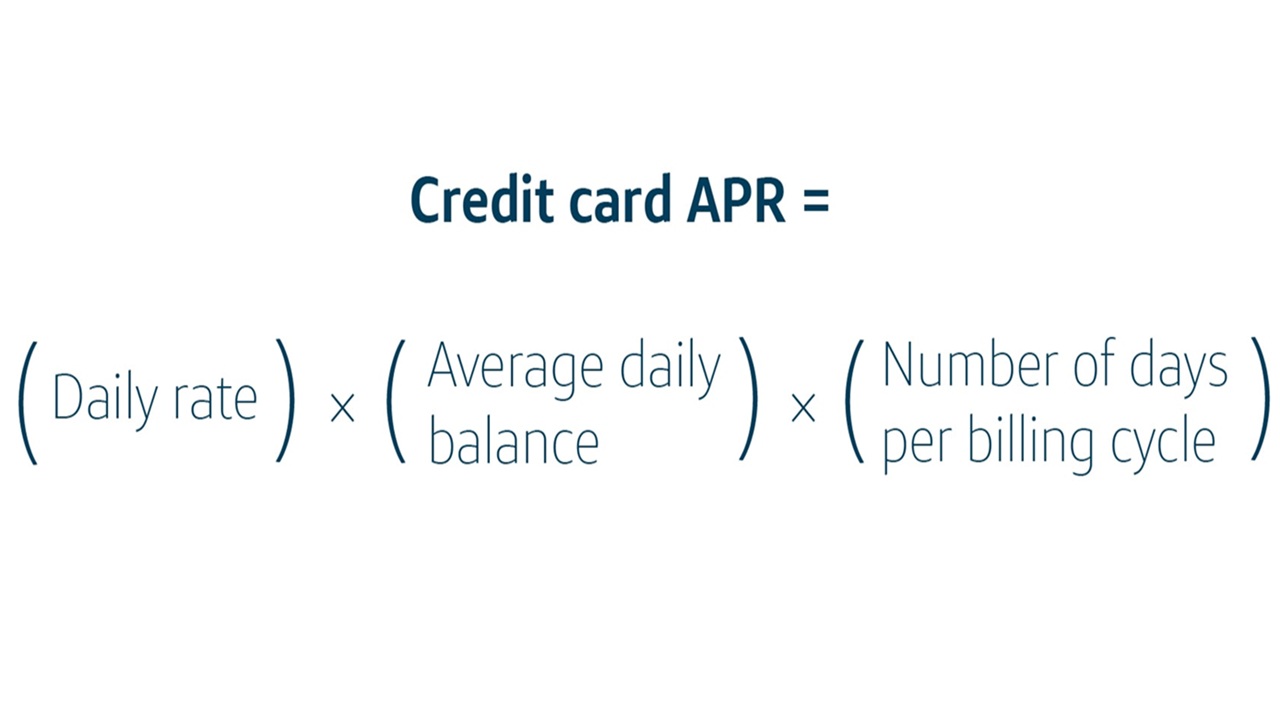
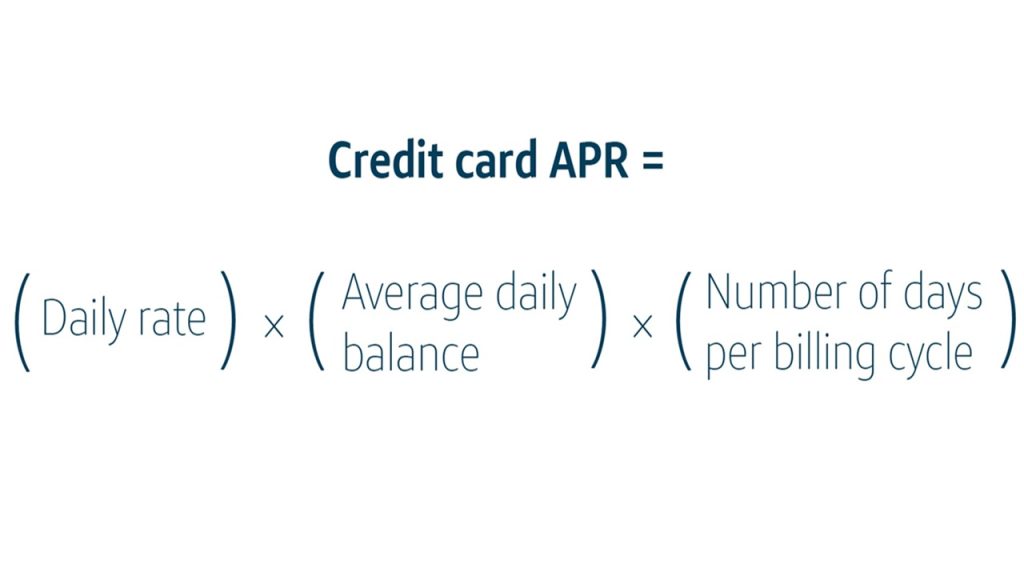
    To understand APR in a practical way, you need to look at the daily periodic rate. This is the real engine behind how interest builds up.

    The formula is simple:

    Daily Rate = APR ÷ 365

    So if your APR is 24 percent:

    24 ÷ 365 = 0.0657 percent per day

    That number may look small, but it adds up quickly when applied daily to your balance.

    Each day, the bank calculates interest based on your current balance. The next day, interest is calculated again, including the previous day’s interest. This process is known as compounding.

    Types of Credit Card APR

    Not all APRs are the same. Depending on how you use your card, different rates may apply.

    Purchase APR
    This is the most common type. It applies to everyday spending like shopping or paying bills.

    Cash Advance APR
    Usually higher than purchase APR. It applies when you withdraw cash using your credit card.

    Balance Transfer APR
    This applies when you move debt from one card to another. Some cards offer a lower promotional rate for a limited time.

    Penalty APR
    If you miss payments, your issuer may apply a much higher APR. This can significantly increase your debt.

    Understanding which APR applies to your transactions helps you avoid unexpected charges.

    Grace Period and Why It Matters

    A grace period is the time between your billing cycle end and your payment due date. If you pay your full balance within this period, you typically won’t be charged any interest.

    This is one of the easiest ways to avoid APR completely.

    However, once you carry a balance beyond the grace period, interest starts accumulating daily. From that point, even new purchases may begin to accrue interest immediately.

    Credit Card Interest Calculator Explained

    You don’t always need an online tool to estimate your credit card interest. You can calculate it yourself with a simple method.

    Here’s a step by step example:

    Let’s say:
    Your balance is 10,000
    APR is 24 percent

    Step 1: Find daily rate
    24 ÷ 365 = 0.0657 percent

    Step 2: Convert to decimal
    0.0657 ÷ 100 = 0.000657

    Step 3: Calculate daily interest
    10,000 × 0.000657 = 6.57 per day

    Step 4: Monthly estimate
    6.57 × 30 ≈ 197.1

    So, carrying a balance of 10,000 could cost you around 197 in interest per month.

    This simple calculation gives you a realistic picture of how costly it can be to leave balances unpaid.

    Why Minimum Payments Cost More

    Credit Card Interest Calculator usually require a minimum payment each month. While it may seem manageable, paying only the minimum can stretch your debt over years.

    Here’s why:

    A large portion of your minimum payment goes toward interest, not the principal. That means your balance reduces very slowly.

    Over time, you could end up paying double or even triple the original amount you spent.

    This is why understanding APR is not just about knowledge. It directly affects how much money you keep in your pocket.

    APR vs Interest Rate

    Many people use these terms interchangeably, but there is a slight difference.

    Interest rate refers to the cost of borrowing the principal amount.

    APR includes the interest rate plus any additional fees associated with the credit card.

    For most credit cards, the APR and interest rate are quite similar, but APR gives a more complete picture of the actual cost.

    How to Lower Your Credit Card Interest

    If you’re dealing with a high APR, there are practical ways to reduce its impact.

    Pay your full balance whenever possible
    This eliminates interest entirely during the grace period.

    Make more than the minimum payment
    Even small extra payments can reduce your principal faster.

    Look for lower APR cards
    Balance transfer cards with promotional rates can help manage debt.

    Improve your credit score
    A better score can qualify you for lower APR offers in the future.

    Avoid cash advances
    These usually come with higher APR and no grace period.

    Real Life Example That Makes It Clear

    Imagine two people using the same credit card.

    Person A pays the full balance every month.
    Person B carries a balance of 10,000 at 24 percent APR.

    After one year, Person A pays zero interest.
    Person B could end up paying over 2,000 in interest alone.

    The difference isn’t income or spending habits. It’s how they manage APR.

    Common Mistakes to Avoid

    Ignoring APR while choosing a credit card
    Low rewards don’t matter if the APR is too high.

    Missing payment due dates
    This can trigger penalty APR and late fees.

    Assuming interest is calculated monthly
    It’s calculated daily, which makes a big difference.

    Relying only on minimum payments
    This increases long term debt significantly.

    Final Thoughts

    Credit Card Apr Calculator might seem like just another number on your statement, but it has a real impact on your finances. Once you understand how it works and how to calculate it, you gain control over your spending and debt.

    The key takeaway is simple. If you can, pay your balance in full each month. If not, use the interest calculation method to stay aware of what you’re being charged.

    That awareness alone can change the way you use credit cards and help you avoid unnecessary costs in the future.

    Understanding APR isn’t about being a finance expert. It’s about making smarter decisions with the money you already have.

  • Nutrition Calculator Guide for Calories and Macros

    Nutrition Calculator Guide for Calories and Macros

    Understanding what you eat is no longer limited to counting calories in your head or guessing portion sizes. With the rise of smart tools and personalized health tracking, a nutrition calculator has become one of the most practical ways to manage your daily intake of calories and macros. Whether your goal is to lose weight, build muscle, or simply maintain a healthy lifestyle, knowing how to use these tools properly can make a real difference.

    This guide walks you through everything you need to know about nutrition calculators, how they work, and how you can use them effectively in your daily routine without feeling overwhelmed.

    What is a Nutrition Calculator

    Nutrition Calculator

    A nutrition calculator is an online or app based tool that helps you determine how many calories and macronutrients your body needs each day. It uses inputs like your age, gender, weight, height, and activity level to estimate your daily energy requirements.

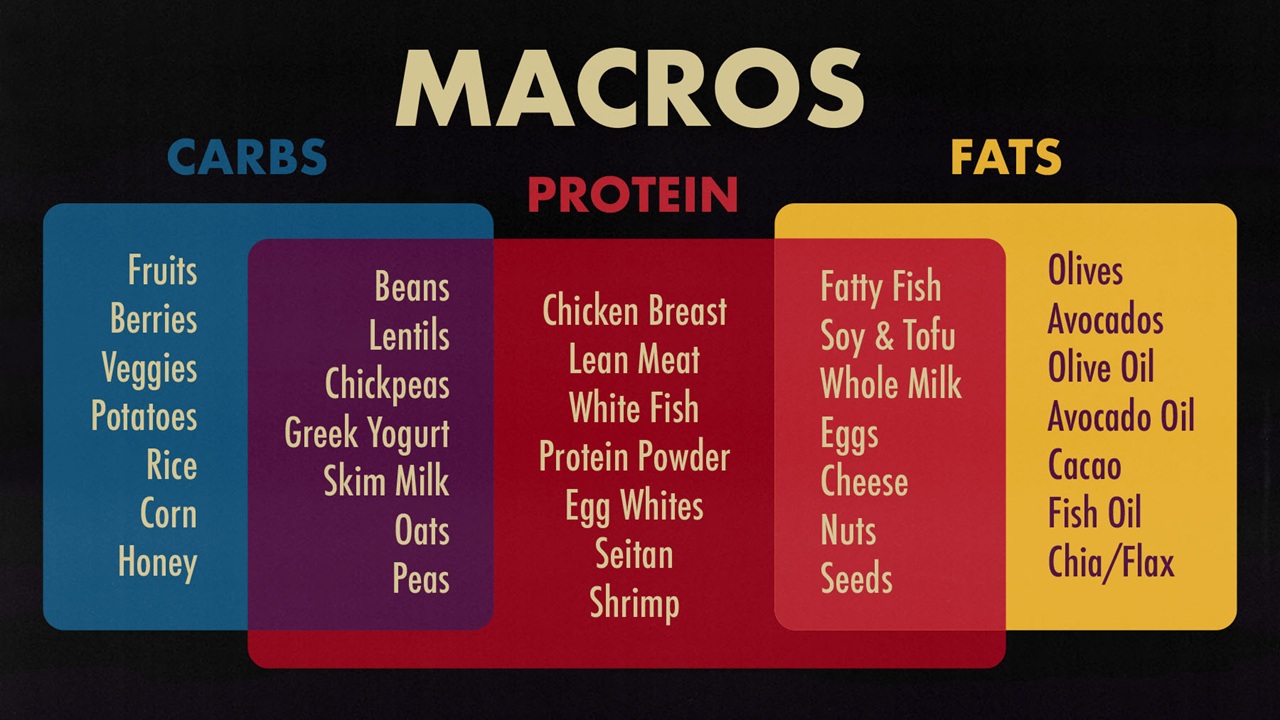
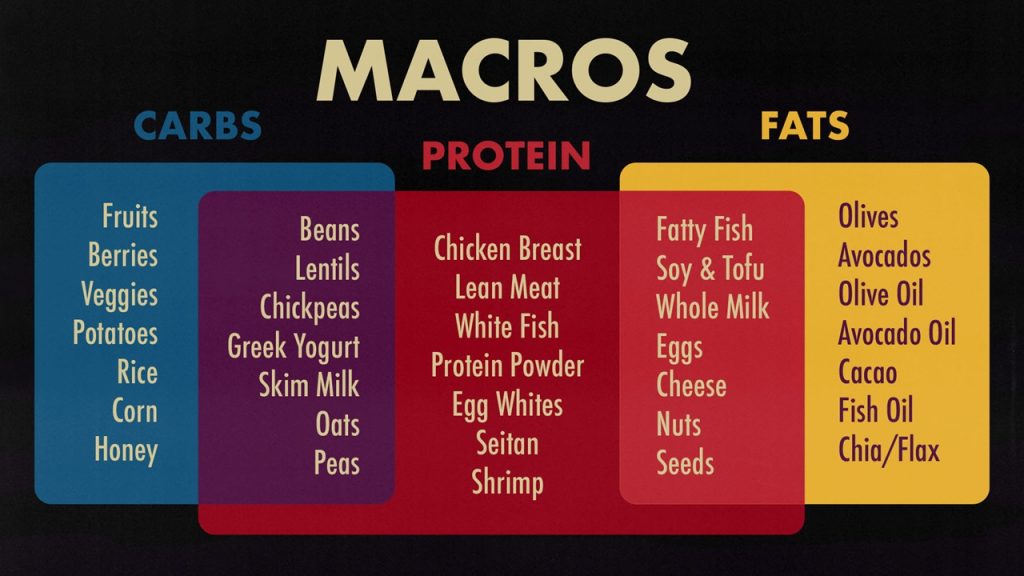
    Beyond calories, it also breaks down your intake into macronutrients, which include protein, carbohydrates, and fats. These are essential for fueling your body, supporting muscle growth, and maintaining overall health.

    Many people start using a calorie calculator, but quickly realize that focusing only on calories is not enough. Two diets with the same calories can have completely different effects depending on how macros are distributed.

    Why Calories and Macros Matter

    Calories represent the total energy your body receives from food. If you consume more calories than you burn, you gain weight. If you consume fewer, you lose weight. This is the foundation of most diet plans.

    However, macros determine how those calories are used in your body.

    Protein supports muscle repair and growth. It also helps you feel full for longer, which is useful if you are trying to reduce calorie intake.

    Carbohydrates are your body’s primary energy source. They fuel workouts, daily activities, and even brain function.

    Fats are essential for hormone production and nutrient absorption. Despite common myths, healthy fats are necessary for a balanced diet.

    A good nutrition calculator ensures that your macro balance aligns with your personal goals, not just your calorie target.

    How a Nutrition Calculator Works

    Most calculators rely on established formulas such as the Basal Metabolic Rate and Total Daily Energy Expenditure.

    Basal Metabolic Rate estimates how many calories your body needs at rest. It accounts for basic functions like breathing and circulation.

    Total Daily Energy Expenditure includes your daily activities and exercise. This gives a more realistic picture of how many calories you actually burn.

    Once your total calorie needs are calculated, the tool divides them into macros based on your goals.

    For example, someone aiming to build muscle may have a higher protein intake, while someone focused on endurance might prioritize carbohydrates.

    Steps to Use a Nutrition Calculator Effectively

    Using a nutrition calculator is simple, but getting accurate results depends on how honestly and carefully you input your data.

    Start by entering your correct details such as age, weight, height, and gender. Even small inaccuracies can affect your results.

    Choose your activity level carefully. Many people overestimate how active they are, which leads to higher calorie recommendations than needed.

    Set your goal clearly. Whether it is weight loss, muscle gain, or maintenance, your target will influence both calories and macros.

    Review the suggested breakdown. Most tools provide a percentage split for protein, carbs, and fats.

    Track your intake daily. A calculator is only useful if you actually follow and monitor your diet.

    Adjust as needed. Your body changes over time, so your calorie and macro needs may also change.

    Common Mistakes People Make

    One of the biggest mistakes is relying entirely on the calculator without observing real world results. These tools provide estimates, not exact numbers.

    Another common issue is ignoring macros and focusing only on calories. This can lead to poor nutrition, low energy levels, and unsustainable diets.

    Some users also fail to update their data as they progress. If you lose weight or increase your activity level, your needs will change.

    Lastly, consistency is often overlooked. Using a nutrition calculator for a few days will not bring results. It requires regular tracking and small adjustments over time.

    Benefits of Using a Nutrition Calculator

    A Nutrition Calculator simplifies decision making. Instead of guessing what to eat, you have a clear target to follow.

    It helps you stay accountable. Seeing your daily intake in numbers makes it easier to identify patterns and improve habits.

    It supports different goals. Whether you want to lose fat, gain muscle, or maintain your current weight, a calculator adapts to your needs.

    It also saves time. Once you understand your numbers, meal planning becomes much easier and more efficient.

    Real Life Example

    Imagine someone trying to lose weight without a clear plan. They may eat less one day and more the next, leading to inconsistent results.

    Now compare that to someone using a nutrition calculator. They know exactly how many calories to consume and how to balance their macros. Over time, this consistency leads to steady progress.

    The difference is not just in the tool itself, but in how it creates structure and awareness.

    Tips to Get Better Results

    Focus on whole foods rather than processed options. Even if the calorie count matches, nutrient quality matters.

    Do not aim for perfection. Hitting your exact macro targets every day is unrealistic. Staying close is good enough.

    Stay hydrated and get enough sleep. These factors affect metabolism and overall health.

    Combine your nutrition plan with regular physical activity. Diet and exercise work best together.

    Listen to your body. If you feel constantly tired or hungry, your plan may need adjustment.

    Who Should Use a Nutrition Calculator

    A nutrition calculator is useful for beginners who want a clear starting point. It removes confusion and provides direction.

    It is also valuable for fitness enthusiasts who want to fine tune their diet for better performance.

    Even people with busy schedules can benefit, as it simplifies meal planning and reduces guesswork.

    However, those with specific medical conditions should consult a professional before making significant dietary changes.

    Final Thoughts

    A nutrition calculator is more than just a digital tool. It is a practical guide that helps you understand your body and make smarter food choices.

    The key is not just using it once, but making it part of your daily routine. Over time, you will develop a better sense of portion sizes, nutrient balance, and what works best for your body.

    Instead of following random diet trends, you will have a personalized plan based on real data. That alone can make your health journey more consistent and sustainable.

    If you approach it with patience and consistency, a nutrition calculator can become one of the most valuable tools in your fitness and wellness journey.

  • Free Resource Download Guide and Usage Tips

    Free Resource Download Guide and Usage Tips

    Finding high quality free resources online feels like discovering hidden treasure. Whether you are a student looking for study materials, a designer searching for templates, or a business owner trying to save costs, free downloads can make a real difference. But here is the truth most people overlook. Not every free resource is worth your time, and not every download is safe.

    This guide walks you through everything you need to know about downloading free resources and actually using them in a smart and practical way. No complicated jargon. Just clear steps, real advice, and a human approach that helps you avoid mistakes many people make.

    What Are Free Resources and Why They Matter

    Free resources are digital assets that you can download and use without paying money. These can include ebooks, templates, software tools, images, fonts, spreadsheets, and even complete courses.

    The biggest advantage is obvious. You save money. But there is more to it than that. Free resources also allow you to test tools before investing, learn new skills without risk, and speed up your workflow.

    For example, a beginner blogger might use free keyword research tools and templates to build their first website. A graphic designer might download free mockups to present work professionally. Over time, these small advantages add up.

    However, quality matters. A poorly made resource can waste hours of your time. That is why knowing how to choose and use them properly is essential.

    Where to Find Reliable Free Resources

    The internet is full of websites offering free downloads, but not all of them are trustworthy. Some platforms are known for providing high quality and safe resources.

    Start with well known platforms. Educational websites, official software providers, and popular marketplaces often offer free sections. These sources usually review content before publishing it.

    Another good approach is to look for creators with a strong reputation. Many professionals share free templates or tools to build trust with their audience. Blogs, YouTube channels, and newsletters are great places to find such resources.

    Avoid random websites with too many ads or unclear download buttons. If a page looks confusing or forces you to click multiple times just to download a file, it is better to leave.

    How to Download Free Resources Safely

    Downloading files from the internet always comes with some level of risk. But with a few simple habits, you can protect your device and your data.

    First, always check the source. If the website looks unprofessional or lacks basic information like contact details, it is a red flag.

    Second, scan files before opening them. Most antivirus programs can do this automatically. It takes just a few seconds and can prevent serious problems.

    Third, avoid clicking on fake download buttons. Many websites place ads that look like download links. The real button is usually smaller and clearly labeled.

    Another smart habit is to check file formats. For example, a document should not come as an executable file. If you expect a PDF but receive a different format, do not open it immediately.

    Finally, keep your browser and system updated. Updates often include security improvements that protect you from harmful files.

    Understanding Usage Rights and Permissions

    One of the most common mistakes people make is assuming that free means unlimited use. That is not always true.

    Many free resources come with specific usage terms. Some allow personal use only. Others require credit to the creator. A few may allow commercial use without restrictions.

    Before using any resource, take a moment to read the license or usage terms. It might feel boring, but it can save you from legal trouble later.

    For example, using a free image in a business project without proper permission can lead to issues. On the other hand, many creators offer resources under licenses that are completely safe for commercial use if you follow simple rules.

    If the terms are unclear, it is better to contact the creator or choose another resource.

    Organizing Your Downloads for Easy Access

    Downloading resources is easy. Finding them later is where most people struggle.

    Create a simple folder system on your device. For example, you can have separate folders for templates, images, documents, and tools. Within each folder, organize files by project or category.

    Rename files with clear and descriptive names. Instead of keeping a file named “final version 3”, use something like “social media template modern style”.

    You can also use cloud storage services to keep your resources accessible from anywhere. This is especially helpful if you work on multiple devices.

    A little organization now can save a lot of time later.

    Best Practices for Using Free Resources Effectively

    Downloading a resource is just the first step. The real value comes from how you use it.

    Start by customizing the resource. Whether it is a template or a tool, adjust it to match your needs. This makes your work more unique and professional.

    Do not rely too heavily on one resource. Combine multiple tools and ideas to create something better. For example, you might use one template for layout and another for design inspiration.

    Always test before fully committing. If you download a tool, try it on a small project first. This helps you understand its strengths and limitations.

    Also, keep learning. Many resources come with guides or tutorials. Take advantage of them. The more you understand a tool, the more value you can get from it.

    Common Mistakes to Avoid

    Even experienced users make mistakes when dealing with free downloads. Being aware of these can help you stay ahead.

    One common mistake is downloading too many resources without a clear purpose. This leads to clutter and confusion.

    Another mistake is ignoring updates. Some tools require updates to work properly. Using outdated versions can cause errors.

    Many people also skip reading instructions. This often results in using the resource incorrectly or missing important features.

    Finally, avoid depending only on free tools for critical work. While they are great for starting out, some projects may require paid solutions for better performance and support.

    How Free Resources Help Different Users

    Free resources are not just for beginners. They benefit people at every level.

    Students can access study materials, practice tests, and learning tools without financial pressure.

    Freelancers can use templates and software to deliver professional results without high costs.

    Small business owners can manage marketing, design, and operations using free tools in the early stages.

    Even experienced professionals use free resources to save time and experiment with new ideas.

    The key is knowing how to choose wisely and use effectively.

    Tips to Maximize Value from Free Downloads

    To get the most out of free resources, focus on quality over quantity. It is better to have a few reliable tools than dozens of unused files.

    Stay updated with new releases. Many creators regularly share improved versions of their resources.

    Join communities or forums where people share recommendations. This can help you discover hidden gems that are not widely known.

    Keep a list of your favorite sources. This makes it easier to find reliable downloads in the future.

    Most importantly, take action. A resource is only useful if you actually use it.

    Final Thoughts

    Free resources can be incredibly powerful when used the right way. They can save money, improve productivity, and open doors to new opportunities. But like anything valuable, they require a bit of care and attention.

    By choosing reliable sources, downloading safely, understanding usage rights, and organizing your files, you can make the most of what is available online. Add your own creativity and effort, and even a simple free tool can become a powerful asset.

    In the end, it is not about how many resources you collect. It is about how effectively you use them to achieve your goals.

  • Apple iOS 20 Rumors and Expected Features Guide

    Apple iOS 20 Rumors and Expected Features Guide

    Apple’s iOS updates have always followed a familiar rhythm. Every year, a new version arrives with a mix of polished design, smarter features, and performance improvements that quietly reshape how we use our iPhones. Now, attention is turning toward iOS 20, and while Apple has not officially confirmed anything yet, rumors and industry trends are painting a fairly clear picture of what could be coming next.

    If you have been using an iPhone for a while, you already know that Apple rarely makes random changes. Most updates are part of a long-term strategy. That is exactly why the iOS 20 rumors feel interesting. They are not just about small upgrades. They hint at a deeper shift in how iPhones might work in the coming years.

    Let’s break down everything we know so far in a realistic and human way, without hype but with enough insight to help you understand what actually matters.

    Expected Release Date of iOS 20

    Apple follows a predictable schedule when it comes to iOS releases. Based on past patterns, iOS 20 will likely be announced during WWDC in June 2026. The developer beta should roll out immediately after the keynote, followed by a public beta a few weeks later.

    The final stable version is expected to launch in September 2026, alongside the new iPhone lineup.

    This timeline has been consistent for years, so unless Apple makes a major shift, it is safe to expect the same approach again.

    A Smarter and More Personal iOS Experience

    One of the biggest rumors surrounding iOS 20 is deeper integration of artificial intelligence across the system. Apple has already started moving in this direction, but iOS 20 could take it much further.

    Instead of flashy AI features that feel like demos, Apple is expected to focus on practical improvements. Think smarter suggestions, better predictive typing, and more context-aware Siri interactions.

    For example, your iPhone could learn your daily routine more effectively. It might suggest apps, reminders, or settings adjustments based on your habits without you needing to ask.

    This is not about replacing how you use your phone. It is about making everyday actions smoother without drawing attention to the technology behind them.

    Siri Could Finally Feel Useful Again

    Siri has been part of iOS for years, but many users feel it has not kept up with competitors. That might finally change with iOS 20.

    Rumors suggest a major overhaul powered by on-device intelligence. This could make Siri faster, more accurate, and more capable of handling complex requests.

    Instead of giving basic responses, Siri might understand follow-up questions and context. For instance, you could ask about your schedule, then continue the conversation without repeating details.

    Privacy will likely remain a priority. Apple is expected to process more data directly on the device rather than sending everything to the cloud.

    If these improvements actually arrive, Siri could move from being occasionally useful to something people rely on daily.

    Possible Design Changes and UI Improvements

    Apple does not redesign iOS completely every year, but small visual changes often make a big difference. With iOS 20, we might see subtle yet meaningful updates.

    Rumors point toward a cleaner interface, smoother animations, and better use of screen space. Apple could refine widgets, notifications, and the Control Center to make them more intuitive.

    There is also speculation about improved customization options. While Apple has already opened up the home screen in recent updates, iOS 20 might give users more control without making the system feel cluttered.

    These changes may not look dramatic at first glance, but they often improve the overall experience in ways you notice over time.

    Improved Battery Optimization

    Battery life is one of those things users care about every single day. Apple knows this, and iOS updates often include under-the-hood improvements that extend usage without requiring bigger batteries.

    iOS 20 could introduce smarter battery management using AI. Your iPhone might learn how you use different apps and allocate power more efficiently.

    For example, apps you rarely use could consume less background energy, while frequently used apps remain responsive.

    There may also be new battery health insights, helping users understand how their usage habits affect long-term performance.

    Enhanced Privacy and Security Features

    Privacy has always been one of Apple’s strongest selling points. With iOS 20, this focus is expected to continue.

    We might see more detailed app permissions, better tracking transparency, and clearer data usage reports. Apple could also expand on features that show how apps access your camera, microphone, or location.

    Another expected improvement is stronger protection against phishing and scams. As digital threats evolve, Apple is likely to introduce smarter warnings and safeguards built directly into the system.

    These features may not grab headlines, but they play a huge role in building trust with users.

    Better Integration Across Apple Devices

    If you use multiple Apple devices, you already know how well they work together. iOS 20 could push this even further.

    Expect smoother handoff between iPhone, iPad, Mac, and Apple Watch. Tasks started on one device could continue more seamlessly on another.

    There are also rumors about improved syncing for messages, notes, and files. The goal is simple. Your data should feel consistent and instantly available, no matter which device you are using.

    This kind of integration is one of the reasons people stay within the Apple ecosystem.

    Upgrades to Core Apps

    Apple’s built-in apps often get overlooked, but they are used by millions of people every day. iOS 20 is expected to bring updates to several key apps.

    Messages could see improved organization and smarter replies. Safari might get better performance and stronger privacy tools. The Photos app could use AI to organize and search images more effectively.

    Health and Fitness apps are also likely to receive enhancements, especially with the growing focus on wellness tracking.

    These updates may not be revolutionary, but they make everyday tasks more efficient.

    Gaming and Performance Improvements

    Mobile gaming continues to grow, and Apple has been investing heavily in performance optimization. iOS 20 could introduce better graphics handling and smoother gameplay.

    Developers might get new tools to create more immersive experiences, while users benefit from improved frame rates and reduced lag.

    Even outside gaming, general performance improvements are expected. Apps could open faster, multitasking could feel smoother, and older devices might get better optimization.

    Which Devices Will Support iOS 20

    Apple usually supports iPhones for several years, but older models eventually get left behind.

    While there is no official list yet, iOS 20 is expected to support newer devices while possibly dropping some older ones. If your iPhone is already a few generations old, it is worth keeping an eye on compatibility announcements.

    Apple tends to balance performance and support carefully, so unsupported devices are usually those that can no longer deliver a smooth experience.

    What Users Actually Want From iOS 20

    Rumors are interesting, but real expectations often come from everyday users.

    Most people are not asking for dramatic changes. They want stability, better battery life, fewer bugs, and features that genuinely save time.

    If iOS 20 can deliver a smoother, smarter, and more reliable experience, it will likely be considered a success.

    Apple’s strength has always been refinement rather than reinvention. That approach is probably not changing anytime soon.

    Final Thoughts

    iOS 20 is shaping up to be an important update, not because it will completely transform the iPhone, but because it may quietly improve how everything works.

    From smarter AI features to better performance and stronger privacy tools, the focus seems to be on making the iPhone more useful in everyday life.

    Of course, these are still rumors and expectations. Apple has a habit of keeping surprises until the official announcement.

    Until then, the best approach is to stay informed but realistic. Not every rumor becomes reality, but they often point in the right direction.

    If even half of these features make it into the final release, iOS 20 could be one of those updates that people appreciate more over time rather than instantly.

  • Samsung Galaxy AI Updates and New Features Guide

    Samsung Galaxy AI Updates and New Features Guide

    Samsung has quietly transformed the way we use smartphones. What once felt like simple software upgrades now feels more like having a smart assistant living inside your device. With the latest Galaxy AI updates, Samsung is pushing its ecosystem into a new era where your phone understands context, adapts to your habits, and helps you get things done faster.

    If you have used a Galaxy device recently, you might have already noticed small but meaningful changes. Messages feel smarter, photos look sharper without effort, and even simple tasks like searching or translating feel more natural. These improvements are not random. They are part of Samsung’s broader AI vision that blends on device intelligence with cloud power.

    In this guide, we will walk through the most important Samsung Galaxy AI updates and features, and explain how they actually make a difference in real life.

    What Is Samsung Galaxy AI

    Samsung Galaxy AI is a collection of artificial intelligence features built directly into Galaxy smartphones and tablets. Unlike older features that required separate apps, Galaxy AI works across the system. It enhances communication, photography, productivity, and even battery efficiency.

    The biggest shift is that many of these features now run on device. This means faster results and better privacy. At the same time, Samsung still uses cloud processing for more complex tasks when needed.

    In simple terms, Galaxy AI is designed to make your phone feel less like a tool and more like a smart companion.

    Real Time Call Translation

    One of the most talked about features is Live Translate. This tool allows you to have phone calls in different languages without needing a third party app.

    When you speak, your words are translated in real time for the other person. Their response is then translated back to you. Everything happens seamlessly during the call.

    Imagine calling a client in another country or speaking with someone who does not share your language. Instead of struggling, your phone handles the communication.

    The most impressive part is that this feature works directly within the dialer app. There is no need to switch between apps or copy text.

    AI Powered Messaging Assistance

    Typing messages has become much easier with Galaxy AI. The built in writing assistant can suggest replies, improve tone, and even rewrite your message in different styles.

    For example, you can turn a casual message into a professional one with a single tap. This is especially useful for emails or work related chats.

    Another practical feature is grammar correction. If you often send quick messages with mistakes, the AI can clean them up before sending.

    It feels like having an editor inside your keyboard, but without slowing you down.

    Circle to Search Feature

    Samsung introduced a simple yet powerful feature called Circle to Search. Instead of typing queries, you can simply draw a circle around anything on your screen to search for it.

    Let’s say you see a product in a photo or a video. Just circle it, and your phone will instantly show related results. No need to take screenshots or switch apps.

    This feature saves time and feels very natural once you start using it. It changes the way people interact with search completely.

    Smarter Photo Editing with AI

    Photography has always been a strong point for Samsung, but AI has taken it to another level.

    With Galaxy AI, you can edit photos in ways that previously required professional tools. You can remove unwanted objects, adjust backgrounds, and even reposition elements within an image.

    One standout feature is Generative Edit. If you move an object in your photo, the AI can intelligently fill in the missing background. It does not look artificial or forced.

    Another helpful tool is automatic enhancement. The AI analyzes lighting, contrast, and colors to improve your photos instantly.

    For everyday users, this means better photos without learning complex editing skills.

    AI Zoom and Night Photography

    Zoom and low light photography have also improved significantly. Galaxy AI enhances details when zooming in, making distant objects appear clearer.

    In night mode, AI reduces noise and improves brightness while maintaining natural colors. This is particularly useful for capturing moments in dim environments.

    These improvements may seem subtle at first, but they make a big difference when you compare photos side by side.

    Notes and Productivity Features

    Samsung Notes has received a major upgrade with AI integration. You can now summarize long notes, organize content, and even generate formatted text automatically.

    For students and professionals, this is a game changer. Instead of manually reviewing pages of notes, you can get a quick summary in seconds.

    Another feature is automatic formatting. If your notes are messy, the AI can clean them up and structure them properly.

    These tools save time and make it easier to stay organized.

    AI in Samsung Keyboard

    The Samsung Keyboard now includes several AI tools that improve everyday typing.

    You can translate text in real time while typing. This is useful when chatting with someone in a different language.

    There is also a tone adjustment feature. Whether you want your message to sound formal, friendly, or concise, the AI can modify it instantly.

    These features may seem small, but they add up to a smoother communication experience.

    Voice Recorder with Transcription

    Samsung has upgraded its Voice Recorder app with AI transcription. When you record audio, the app can convert speech into text automatically.

    It also identifies different speakers and labels them accordingly. This is especially helpful for meetings, interviews, or lectures.

    You no longer need to manually write notes while listening. The AI does it for you.

    AI Battery Optimization

    Battery life is one of the most important aspects of any smartphone. Samsung uses AI to analyze your usage patterns and optimize power consumption.

    Apps that you rarely use are limited in the background, while frequently used apps remain active.

    Over time, your phone learns your habits and adjusts accordingly. This leads to better battery performance without requiring manual settings.

    Privacy and On Device Processing

    One concern many users have with AI is privacy. Samsung addresses this by processing many tasks directly on the device.

    This means your data does not always need to be sent to external servers. Sensitive tasks like message suggestions or translations can happen locally.

    For more complex features, cloud processing is used, but Samsung provides transparency and control over your data.

    This balance between performance and privacy is an important step forward.

    Integration Across Samsung Ecosystem

    Galaxy AI is not limited to smartphones. It works across tablets, watches, and other Samsung devices.

    For example, you can start a task on your phone and continue it on your tablet. AI helps maintain context and continuity.

    This ecosystem approach makes Samsung devices feel more connected and efficient.

    How Galaxy AI Helps in Daily Life

    While all these features sound impressive, the real question is how they impact everyday use.

    Think about small moments throughout your day. Sending messages, taking photos, searching for information, or managing tasks.

    Galaxy AI simplifies each of these actions. It reduces effort, saves time, and improves results.

    Instead of manually adjusting settings or switching apps, the AI handles things in the background.

    Over time, this creates a smoother and more enjoyable experience.

    Future of Samsung Galaxy AI

    Samsung is just getting started with AI. Future updates are expected to bring even more advanced features.

    We may see deeper personalization, smarter automation, and improved integration with other services.

    There is also a strong focus on making AI more natural and less intrusive. The goal is to assist without overwhelming the user.

    As technology evolves, Galaxy AI will likely become an essential part of the smartphone experience.

    Final Thoughts

    Samsung Galaxy AI updates are not just about adding new features. They represent a shift in how smartphones are designed and used.

    Instead of relying on manual input, your device now understands context and adapts to your needs.

    From real time translation to intelligent photo editing, these features are built to solve real problems.

    If you are using a recent Galaxy device, exploring these tools can change the way you interact with your phone.

    And if you are considering an upgrade, Galaxy AI is one of the strongest reasons to make the switch.

    The future of smartphones is not just faster hardware or better screens. It is smarter software that works with you, not against you. Samsung is clearly moving in that direction, and Galaxy AI is proof of that.

  • Samsung New Chip Technology Explained Simply

    Samsung New Chip Technology Explained Simply

    Samsung has quietly become one of the most important players in the global tech ecosystem. While most people recognize the brand for its smartphones, TVs, and home appliances, the real engine behind its success lies deep inside devices we use every day. That engine is semiconductor technology.

    If you have ever wondered why modern smartphones feel faster, laptops run cooler, or AI tools respond almost instantly, the answer often comes down to advancements in chip technology. Samsung’s latest developments in this space are not just incremental upgrades. They are shaping the future of computing, mobile devices, and even artificial intelligence.

    Let’s break down Samsung’s new chip technology in a way that actually makes sense, without getting lost in overly technical jargon.

    What Is Samsung’s New Chip Technology?

    Samsung’s newest chip technology focuses on smaller, faster, and more efficient semiconductor designs. The company is pushing boundaries with advanced fabrication processes like 3nm and beyond, using cutting-edge transistor architecture called Gate-All-Around or GAA.

    In simple terms, Samsung is making chips that can do more work while using less power and generating less heat. That might sound like a small improvement, but in the world of computing, it is a massive leap forward.

    Think of it like upgrading from a regular highway to a super-efficient expressway where more cars can travel faster using less fuel. That is essentially what Samsung is doing with its chips.

    Understanding 3nm Technology in Simple Words

    One of the biggest highlights of Samsung’s innovation is its move to 3nm chip manufacturing. The “nm” or nanometer refers to the size of the tiny components inside a chip.

    Smaller size means more transistors can fit into the same space. More transistors mean better performance and efficiency.

    Here is why 3nm matters:

    • Faster processing speeds for apps and games
    • Better battery life for smartphones and laptops
    • Reduced heat generation
    • Improved AI performance

    Compared to older 5nm or 7nm chips, 3nm technology delivers noticeable improvements that users can actually feel in daily use.

    What Is Gate-All-Around Technology?

    Gate-All-Around or GAA is the real game changer behind Samsung’s new chips.

    Traditional chips use a design called FinFET, where the transistor gate controls current from three sides. Samsung’s GAA design wraps the gate around all sides of the transistor, allowing much better control.

    That control leads to:

    • Lower power leakage
    • Higher efficiency
    • Better performance at lower voltages

    If you imagine water flowing through a pipe, GAA is like having perfect control over the valve, ensuring no waste and maximum efficiency.

    Samsung is among the first companies to commercialize this technology at scale, giving it a competitive edge in the semiconductor race.

    Why Samsung’s Chip Innovation Matters

    You might be thinking, why should the average user care about chip architecture?

    The answer is simple. Chips power everything.

    From smartphones and laptops to cars and smart home devices, better chips mean better experiences.

    Here is how Samsung’s new chip technology impacts everyday life:

    Faster Smartphones

    Apps open instantly, games run smoothly, and multitasking becomes seamless. You will notice less lag and better responsiveness.

    Longer Battery Life

    With improved efficiency, devices can last longer on a single charge. This is especially important for heavy users.

    Better AI Features

    Modern apps rely heavily on AI. Whether it is photo editing, voice assistants, or real-time translations, faster chips make these features more accurate and quicker.

    Improved Gaming Experience

    Gamers benefit from higher frame rates, better graphics, and less overheating during long sessions.

    Samsung vs Competitors

    Samsung is not alone in the chip race. Companies like TSMC, Intel, and Apple are also pushing boundaries.

    However, Samsung stands out in a few key areas:

    • Early adoption of GAA technology
    • Strong vertical integration from design to manufacturing
    • Ability to produce chips for both its own devices and other brands

    While TSMC leads in manufacturing for companies like Apple, Samsung’s approach of combining innovation with in-house production gives it unique advantages.

    The competition is intense, and that is actually good for consumers. It drives faster innovation and better products.

    Impact on Smartphones and Future Devices

    Samsung’s chip technology is already making its way into smartphones, especially in flagship devices.

    Future phones powered by these chips will likely offer:

    • Near-instant app launches
    • Advanced AI camera capabilities
    • Enhanced augmented reality experiences
    • Better 5G performance

    But it does not stop there.

    Samsung’s innovations are also expected to influence:

    • Foldable devices
    • Smartwatches and wearables
    • Autonomous vehicles
    • Data centers and cloud computing

    This means the impact of these chips goes far beyond just phones.

    Energy Efficiency and Sustainability

    One of the less talked about benefits of advanced chip technology is energy efficiency.

    Smaller and smarter chips consume less power, which helps reduce overall energy usage. For large data centers and cloud platforms, this can translate into significant environmental benefits.

    Samsung is actively focusing on reducing power consumption in its semiconductor processes. This is not just about performance anymore. It is also about sustainability.

    As the world moves toward greener technology, efficient chips will play a major role.

    Challenges Samsung Faces

    Despite its progress, Samsung’s journey is not without challenges.

    Developing advanced chips is extremely complex and expensive. Manufacturing at 3nm requires precision at an atomic level, where even tiny errors can impact performance.

    Some of the key challenges include:

    • High production costs
    • Yield issues during manufacturing
    • Intense competition from TSMC and Intel
    • Rapidly changing market demands

    However, Samsung continues to invest heavily in research and development to overcome these hurdles.

    What This Means for the Future of Technology

    Samsung’s new chip technology is not just an upgrade. It represents a shift toward a more powerful and efficient digital world.

    In the coming years, we can expect:

    • Smarter AI systems that feel more human-like
    • Devices that last longer without charging
    • Faster and more reliable connectivity
    • Breakthroughs in areas like robotics and automation

    For everyday users, this means technology will become more seamless, less intrusive, and more integrated into daily life.

    Final Thoughts

    Samsung’s advancements in chip technology might not always make headlines like smartphones do, but they are the foundation of modern innovation.

    The move to 3nm and the adoption of Gate-All-Around architecture mark a significant step forward. These changes are not just about numbers or benchmarks. They translate into real-world improvements that users can feel.

    Whether you are a casual smartphone user, a gamer, or someone who relies on technology for work, Samsung’s new chips are shaping the experience you will have in the near future.

    As competition continues and technology evolves, one thing is clear. The race to build better chips is far from over, and Samsung is firmly in the lead pack, pushing boundaries that will define the next generation of devices.

  • Latest Windows Security Update Fixes Explained Guide

    Latest Windows Security Update Fixes Explained Guide

    If you have ever seen that familiar “Restart required” message pop up on your Windows PC, you are not alone. For many users, updates feel like an interruption. But behind every Windows security update is a serious effort to protect your data, your privacy, and your system from real threats that exist online today.

    In this guide, we will break down the latest Windows security update fixes in a way that actually makes sense. No complicated jargon. No confusing technical terms. Just a clear explanation of what changed, why it matters, and what you should do next.

    Why Windows Security Updates Matter More Than Ever

    The internet today is not the same as it was a few years ago. Cyber attacks have become more advanced, more frequent, and more targeted. Hackers are no longer just going after big companies. Regular users are now a common target.

    Windows is the most widely used operating system in the world. That makes it a prime target for attackers. Every vulnerability that exists in Windows can potentially be used to:

    • Steal personal data
    • Install malware without your knowledge
    • Gain remote access to your system
    • Disrupt your daily work

    This is exactly why Microsoft releases frequent security updates. These updates are not just “improvements” but critical fixes that close gaps before attackers can exploit them.

    What the Latest Windows Security Updates Actually Fix

    Each new Windows update includes a list of fixes, often called patches. While the official notes can be technical, the core fixes usually fall into a few important categories.

    1. Vulnerability Fixes

    The biggest part of any security update is fixing vulnerabilities. These are weaknesses in the system that hackers can use to gain access.

    Recent updates have addressed:

    • Remote code execution vulnerabilities
    • Privilege escalation issues
    • Memory corruption bugs
    • Network based attack points

    For example, a remote code execution vulnerability means someone could run harmful code on your computer without you even clicking anything. Fixing this is critical.

    2. Protection Against Zero Day Threats

    A zero day vulnerability is one that is discovered before developers have time to fix it. These are especially dangerous because attackers can exploit them immediately.

    Microsoft often includes emergency fixes for these threats in their updates. The latest updates have improved detection and blocked known zero day attack methods.

    This means your system is better protected against threats that are actively being used in the real world.

    3. Improvements to Windows Defender

    Windows Defender has become a powerful built in security tool, and recent updates continue to improve it.

    Key improvements include:

    • Better malware detection accuracy
    • Faster scanning performance
    • Improved ransomware protection
    • Enhanced cloud based threat intelligence

    These updates ensure that your system can detect even newer types of threats that traditional antivirus programs might miss.

    4. Browser Security Enhancements

    Many attacks now happen through web browsers. Microsoft Edge, being deeply integrated with Windows, receives regular security improvements.

    Recent fixes include:

    • Protection against malicious websites
    • Blocking harmful downloads
    • Improved phishing detection
    • Safer browsing environment

    Even if you use another browser, system level fixes still play a role in keeping your browsing secure.

    5. Kernel and System Level Fixes

    The Windows kernel is the core part of the operating system. If it is compromised, the entire system can be affected.

    Updates often include:

    • Fixes to kernel vulnerabilities
    • Better memory handling
    • Stronger system isolation
    • Reduced risk of system level exploits

    These changes are not visible to users but are essential for long term stability and security.

    Common Problems Fixed in Recent Updates

    Besides security vulnerabilities, updates also fix everyday issues that users experience.

    System Stability Issues

    Have you ever experienced random crashes or freezing? Many of these problems are caused by underlying bugs that updates aim to fix.

    Recent patches have improved:

    • System boot reliability
    • Application stability
    • Performance under heavy usage

    Driver Compatibility Problems

    Hardware like printers, graphics cards, and USB devices rely on drivers. Updates often fix compatibility issues between Windows and these drivers.

    This leads to:

    • Fewer device errors
    • Better performance
    • Improved hardware support

    Network and Connectivity Fixes

    Internet related problems can be frustrating. Updates often address:

    • WiFi connection drops
    • Slow network speeds
    • VPN issues
    • Bluetooth connectivity problems

    How Microsoft Releases Security Updates

    Understanding how updates are released can help you stay ahead.

    Patch Tuesday

    Microsoft typically releases updates on the second Tuesday of every month. This is known as Patch Tuesday.

    These updates include:

    • Security fixes
    • Bug fixes
    • Performance improvements

    Emergency Updates

    Sometimes, critical vulnerabilities require immediate action. In such cases, Microsoft releases updates outside the regular schedule.

    These updates are especially important and should not be delayed.

    Should You Install Updates Immediately

    This is a common question, and the answer is simple. Yes, in most cases you should install updates as soon as possible.

    However, there are a few practical tips:

    • Back up important data before updating
    • Wait a day or two if you want to check for major issues reported by others
    • Restart your system after installation

    Delaying updates for too long can leave your system exposed.

    How to Check for the Latest Windows Updates

    If you are not sure whether your system is up to date, here is a quick way to check:

    1. Open Settings
    2. Go to Windows Update
    3. Click on Check for updates
    4. Install any available updates

    Make sure your system is connected to the internet and has enough battery or power.

    Signs That You Need to Update Your System

    Sometimes your system gives clear signals that updates are needed.

    Look out for:

    • Frequent security warnings
    • Slow system performance
    • Apps crashing unexpectedly
    • Unusual pop ups or behavior

    These could indicate that your system is running outdated software.

    Real World Impact of Security Updates

    It is easy to ignore updates until something goes wrong. But real world examples show how important they are.

    In the past, major attacks like ransomware outbreaks spread quickly because systems were not updated. Users who installed updates on time were protected, while others faced serious consequences.

    Security updates are not just technical changes. They are your first line of defense.

    Tips to Stay Secure Beyond Updates

    While updates are important, they are only one part of staying safe.

    Here are a few additional tips:

    Use Strong Passwords

    Avoid simple passwords. Use a mix of letters, numbers, and symbols.

    Enable Two Factor Authentication

    This adds an extra layer of security to your accounts.

    Avoid Suspicious Links

    Do not click on unknown links in emails or messages.

    Keep Your Software Updated

    Not just Windows 12 Iso Download, but all apps and programs should be updated regularly.

    Use Built In Security Tools

    Windows Defender and firewall features are powerful when properly enabled.

    What to Do If an Update Causes Problems

    Sometimes updates can cause unexpected issues. If that happens:

    • Restart your system
    • Check for newer updates that fix the issue
    • Roll back the update if necessary
    • Use system restore to revert changes

    Most problems are temporary and get fixed quickly.

    Windows 10 vs Windows 11 Security Updates

    Both versions receive security updates, but there are some differences.

    Windows 11

    • More advanced security features
    • Better hardware based protection
    • Improved system architecture

    Windows 10

    • Still supported with regular updates
    • Stable and widely used
    • Fewer new security features compared to Windows 11

    If security is your top priority, upgrading to Windows 11 can be a good choice if your system supports it.

    Final Thoughts

    Windows security updates might seem like a small inconvenience, but they play a massive role in protecting your digital life. Every update you install is one less opportunity for attackers to exploit your system.

    Think of updates as regular maintenance for your computer. Just like you would not skip servicing your car, you should not ignore system updates either.

    By staying updated, you are not just improving performance but also ensuring that your personal data, files, and daily work remain safe from evolving threats.

    In a world where cyber risks are constantly growing, keeping your Windows system updated is one of the simplest and most effective steps you can take.

  • Windows 11 Voice Typing Guide for Hands Free Typing

    Windows 11 Voice Typing Guide for Hands Free Typing

    Typing has always been the default way to interact with a computer, but things are changing fast. With Windows 11, voice typing is no longer just a basic feature. It has evolved into a smart, reliable, and surprisingly accurate tool that can replace your keyboard in many situations.

    If you have ever wished you could write emails, documents, or messages without touching the keyboard, Windows 11 voice typing makes that possible. Whether you are working, studying, or just chatting, this feature can save time and reduce effort.

    This guide walks you through everything you need to know about Windows 11 voice typing, from setup to advanced tips, in a simple and practical way.

    What is Windows 11 Voice Typing

    Windows 11 voice typing is a built in speech to text feature that converts your spoken words into written text in real time. It works across most apps including Microsoft Word, Notepad, browsers, and even chat platforms.

    Unlike older dictation tools, this version uses cloud based AI to improve accuracy and understand natural speech. That means you can speak normally instead of carefully dictating every word.

    It also supports automatic punctuation, voice commands, and multiple languages, making it useful for both casual and professional tasks.

    Why Use Voice Typing Instead of Keyboard

    Many people assume voice typing is only for accessibility, but that is no longer true. It is now a productivity tool used by writers, students, and professionals.

    Here are some real advantages

    First, it saves time. Speaking is naturally faster than typing. You can easily produce more content in less time.

    Second, it reduces physical strain. If you spend long hours typing, voice typing can help prevent wrist fatigue and discomfort.

    Third, it improves focus. When you speak your thoughts out loud, ideas often flow more naturally compared to typing.

    Finally, it is convenient. You can type while cooking, walking, or doing other tasks without needing to sit in front of a keyboard.

    How to Enable Voice Typing in Windows 11

    Getting started with voice typing is simple and does not require any additional software.

    Follow these steps

    Press Windows key + H on your keyboard
    A small voice typing panel will appear on your screen
    Click on the microphone icon to start
    Begin speaking clearly

    That is it. Your words will instantly appear in the text field you are using.

    If this is your first time, Windows may ask for microphone permission. Just allow access and you are ready to go.

    Setting Up Microphone for Better Accuracy

    Voice typing works best when your microphone is properly set up. A poor mic can reduce accuracy significantly.

    Here is how to optimize it

    Go to Settings
    Open System and then Sound
    Select your input device
    Test your microphone and adjust input volume

    If possible, use a headset or external microphone. Built in laptop microphones work, but a dedicated mic gives much better results.

    Also, try to reduce background noise. Even small sounds like fans or traffic can affect recognition.

    Understanding Voice Typing Commands

    Windows 11 voice typing is not just about speaking words. You can also control formatting and punctuation using voice commands.

    Here are some useful commands

    Say period to add a full stop
    Say comma to insert a comma
    Say question mark for questions
    Say new line to move to the next line
    Say new paragraph to start a new paragraph

    You can also say delete that to remove the last phrase or stop dictation to pause the feature.

    These commands make voice typing feel more natural and closer to real writing.

    Using Automatic Punctuation

    One of the best features in Windows 11 voice typing is automatic punctuation. When enabled, the system adds punctuation marks based on your speech pattern.

    To turn it on

    Open the voice typing panel using Windows key + H
    Click on the settings icon
    Enable automatic punctuation

    Once activated, you do not need to say punctuation commands manually. Just speak normally, and Windows will handle it for you.

    Keep in mind that it may not always be perfect, so a quick review is still recommended.

    Best Practices for Accurate Voice Typing

    Voice typing is powerful, but a few simple habits can make a big difference in accuracy.

    Speak clearly and at a natural pace. Avoid rushing or mumbling your words.

    Use short sentences. Long and complex sentences can confuse the system.

    Pause slightly between sentences. This helps the tool understand structure better.

    Avoid background noise as much as possible.

    Train yourself to think while speaking. This may feel unusual at first, but it becomes easier with practice.

    Where You Can Use Voice Typing

    One of the biggest advantages of Windows 11 voice typing is its flexibility. It works in almost every application where text input is supported.

    You can use it in

    Microsoft Word for writing documents
    Google Docs for online work
    Email clients like Outlook or Gmail
    Browsers for typing search queries or filling forms
    Chat apps such as WhatsApp Web or Slack

    This makes it a versatile tool for both personal and professional use.

    Voice Typing for Content Creation

    If you create content regularly, voice typing can completely change your workflow.

    Instead of typing every word, you can speak your ideas and let Windows convert them into text. This is especially useful for blog posts, scripts, and drafts.

    Many writers use voice typing to overcome writer’s block. Speaking feels less restrictive than typing, allowing ideas to flow more freely.

    You can then edit and refine the text later, which is often faster than writing everything from scratch.

    Common Issues and How to Fix Them

    Sometimes voice typing may not work as expected. Here are a few common issues and quick solutions.

    If voice typing does not start
    Check your internet connection
    Make sure your microphone is enabled

    If text accuracy is low
    Adjust microphone settings
    Reduce background noise
    Speak more clearly

    If the shortcut does not work
    Make sure voice typing is enabled in settings
    Restart your system if needed

    Most problems are minor and can be fixed quickly.

    Privacy and Security Considerations

    Since voice typing uses cloud based processing, your speech is sent to Microsoft servers for recognition.

    Microsoft states that this data is used to improve accuracy and user experience. However, if privacy is a concern, you can review and manage your speech settings in Windows 12 Download.

    It is always a good idea to avoid dictating sensitive information in public or shared environments.

    Tips to Improve Productivity with Voice Typing

    Once you get comfortable with voice typing, you can use it to boost your productivity in many ways.

    Use it for quick notes instead of typing
    Draft emails faster without overthinking
    Create outlines for projects or articles
    Dictate ideas on the go

    The more you use it, the more natural it becomes. Many users find that after a few days, they prefer speaking over typing for most tasks.

    Final Thoughts

    Windows 11 voice typing is more than just a convenience feature. It is a practical tool that can transform how you work and communicate on your computer.

    At first, it may feel unusual to speak instead of type, but once you get used to it, the benefits become clear. You can save time, reduce effort, and even think more creatively.

    If you have not tried it yet, now is a good time to start. Press Windows key + H, speak your thoughts, and see how quickly your words come to life on screen.