Category: Tech

  • Apple iOS 20 Rumors and Expected Features Guide

    Apple iOS 20 Rumors and Expected Features Guide

    Apple’s iOS updates have always followed a familiar rhythm. Every year, a new version arrives with a mix of polished design, smarter features, and performance improvements that quietly reshape how we use our iPhones. Now, attention is turning toward iOS 20, and while Apple has not officially confirmed anything yet, rumors and industry trends are painting a fairly clear picture of what could be coming next.

    If you have been using an iPhone for a while, you already know that Apple rarely makes random changes. Most updates are part of a long-term strategy. That is exactly why the iOS 20 rumors feel interesting. They are not just about small upgrades. They hint at a deeper shift in how iPhones might work in the coming years.

    Let’s break down everything we know so far in a realistic and human way, without hype but with enough insight to help you understand what actually matters.

    Expected Release Date of iOS 20
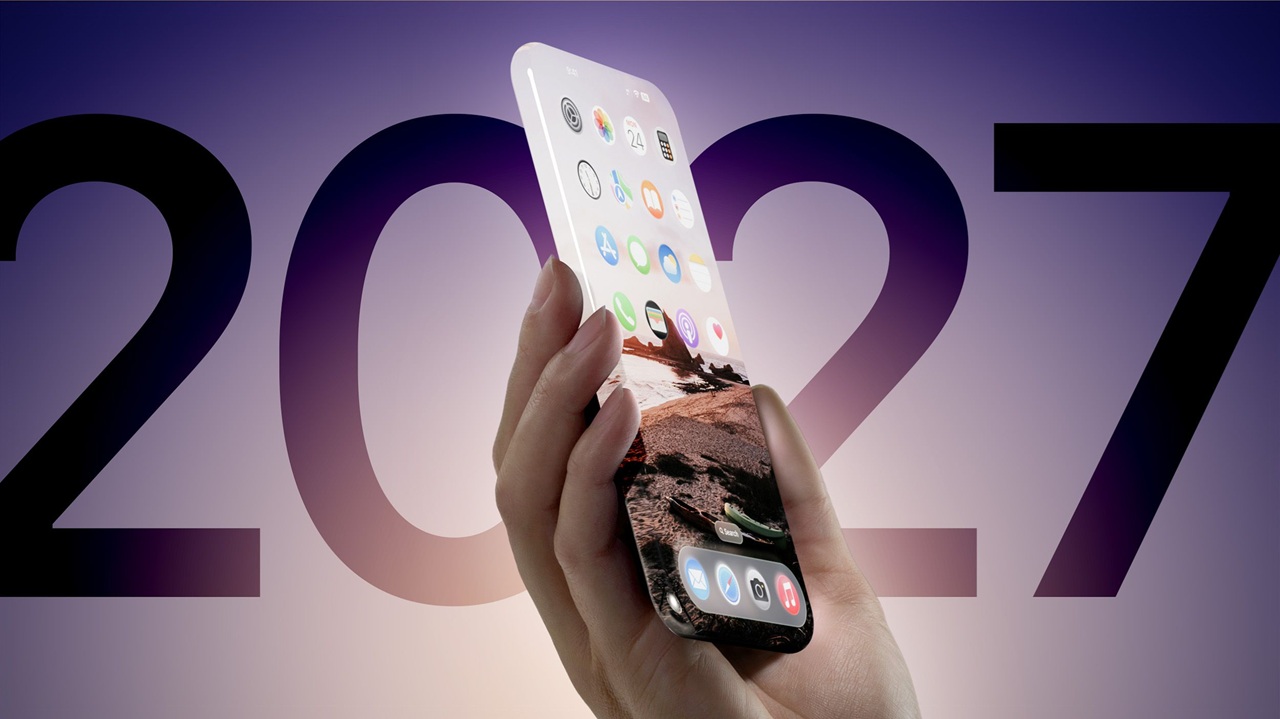
    Apple follows a predictable schedule when it comes to iOS releases. Based on past patterns, iOS 20 will likely be announced during WWDC in June 2026. The developer beta should roll out immediately after the keynote, followed by a public beta a few weeks later.

    The final stable version is expected to launch in September 2026, alongside the new iPhone lineup.

    This timeline has been consistent for years, so unless Apple makes a major shift, it is safe to expect the same approach again.

    A Smarter and More Personal iOS Experience

    One of the biggest rumors surrounding iOS 20 is deeper integration of artificial intelligence across the system. Apple has already started moving in this direction, but iOS 20 could take it much further.

    Instead of flashy AI features that feel like demos, Apple is expected to focus on practical improvements. Think smarter suggestions, better predictive typing, and more context-aware Siri interactions.

    For example, your iPhone could learn your daily routine more effectively. It might suggest apps, reminders, or settings adjustments based on your habits without you needing to ask.

    This is not about replacing how you use your phone. It is about making everyday actions smoother without drawing attention to the technology behind them.

    Siri Could Finally Feel Useful Again

    Siri has been part of iOS for years, but many users feel it has not kept up with competitors. That might finally change with iOS 20.

    Rumors suggest a major overhaul powered by on-device intelligence. This could make Siri faster, more accurate, and more capable of handling complex requests.

    Instead of giving basic responses, Siri might understand follow-up questions and context. For instance, you could ask about your schedule, then continue the conversation without repeating details.

    Privacy will likely remain a priority. Apple is expected to process more data directly on the device rather than sending everything to the cloud.

    If these improvements actually arrive, Siri could move from being occasionally useful to something people rely on daily.

    Possible Design Changes and UI Improvements

    Apple does not redesign iOS completely every year, but small visual changes often make a big difference. With iOS 20, we might see subtle yet meaningful updates.

    Rumors point toward a cleaner interface, smoother animations, and better use of screen space. Apple could refine widgets, notifications, and the Control Center to make them more intuitive.

    There is also speculation about improved customization options. While Apple has already opened up the home screen in recent updates, iOS 20 might give users more control without making the system feel cluttered.

    These changes may not look dramatic at first glance, but they often improve the overall experience in ways you notice over time.

    Improved Battery Optimization

    Battery life is one of those things users care about every single day. Apple knows this, and iOS updates often include under-the-hood improvements that extend usage without requiring bigger batteries.

    iOS 20 could introduce smarter battery management using AI. Your iPhone might learn how you use different apps and allocate power more efficiently.

    For example, apps you rarely use could consume less background energy, while frequently used apps remain responsive.

    There may also be new battery health insights, helping users understand how their usage habits affect long-term performance.

    Enhanced Privacy and Security Features

    Privacy has always been one of Apple’s strongest selling points. With iOS 20, this focus is expected to continue.

    We might see more detailed app permissions, better tracking transparency, and clearer data usage reports. Apple could also expand on features that show how apps access your camera, microphone, or location.

    Another expected improvement is stronger protection against phishing and scams. As digital threats evolve, Apple is likely to introduce smarter warnings and safeguards built directly into the system.

    These features may not grab headlines, but they play a huge role in building trust with users.

    Better Integration Across Apple Devices

    If you use multiple Apple devices, you already know how well they work together. iOS 20 could push this even further.

    Expect smoother handoff between iPhone, iPad, Mac, and Apple Watch. Tasks started on one device could continue more seamlessly on another.

    There are also rumors about improved syncing for messages, notes, and files. The goal is simple. Your data should feel consistent and instantly available, no matter which device you are using.

    This kind of integration is one of the reasons people stay within the Apple ecosystem.

    Upgrades to Core Apps

    Apple’s built-in apps often get overlooked, but they are used by millions of people every day. iOS 20 is expected to bring updates to several key apps.

    Messages could see improved organization and smarter replies. Safari might get better performance and stronger privacy tools. The Photos app could use AI to organize and search images more effectively.

    Health and Fitness apps are also likely to receive enhancements, especially with the growing focus on wellness tracking.

    These updates may not be revolutionary, but they make everyday tasks more efficient.

    Gaming and Performance Improvements

    Mobile gaming continues to grow, and Apple has been investing heavily in performance optimization. iOS 20 could introduce better graphics handling and smoother gameplay.

    Developers might get new tools to create more immersive experiences, while users benefit from improved frame rates and reduced lag.

    Even outside gaming, general performance improvements are expected. Apps could open faster, multitasking could feel smoother, and older devices might get better optimization.

    Which Devices Will Support iOS 20

    Apple usually supports iPhones for several years, but older models eventually get left behind.

    While there is no official list yet, iOS 20 is expected to support newer devices while possibly dropping some older ones. If your iPhone is already a few generations old, it is worth keeping an eye on compatibility announcements.

    Apple tends to balance performance and support carefully, so unsupported devices are usually those that can no longer deliver a smooth experience.

    What Users Actually Want From iOS 20

    Rumors are interesting, but real expectations often come from everyday users.

    Most people are not asking for dramatic changes. They want stability, better battery life, fewer bugs, and features that genuinely save time.

    If iOS 20 can deliver a smoother, smarter, and more reliable experience, it will likely be considered a success.

    Apple’s strength has always been refinement rather than reinvention. That approach is probably not changing anytime soon.

    Final Thoughts

    iOS 20 is shaping up to be an important update, not because it will completely transform the iPhone, but because it may quietly improve how everything works.

    From smarter AI features to better performance and stronger privacy tools, the focus seems to be on making the iPhone more useful in everyday life.

    Of course, these are still rumors and expectations. Apple has a habit of keeping surprises until the official announcement.

    Until then, the best approach is to stay informed but realistic. Not every rumor becomes reality, but they often point in the right direction.

    If even half of these features make it into the final release, iOS 20 could be one of those updates that people appreciate more over time rather than instantly.
  • Samsung Galaxy AI Updates and New Features Guide

    Samsung Galaxy AI Updates and New Features Guide

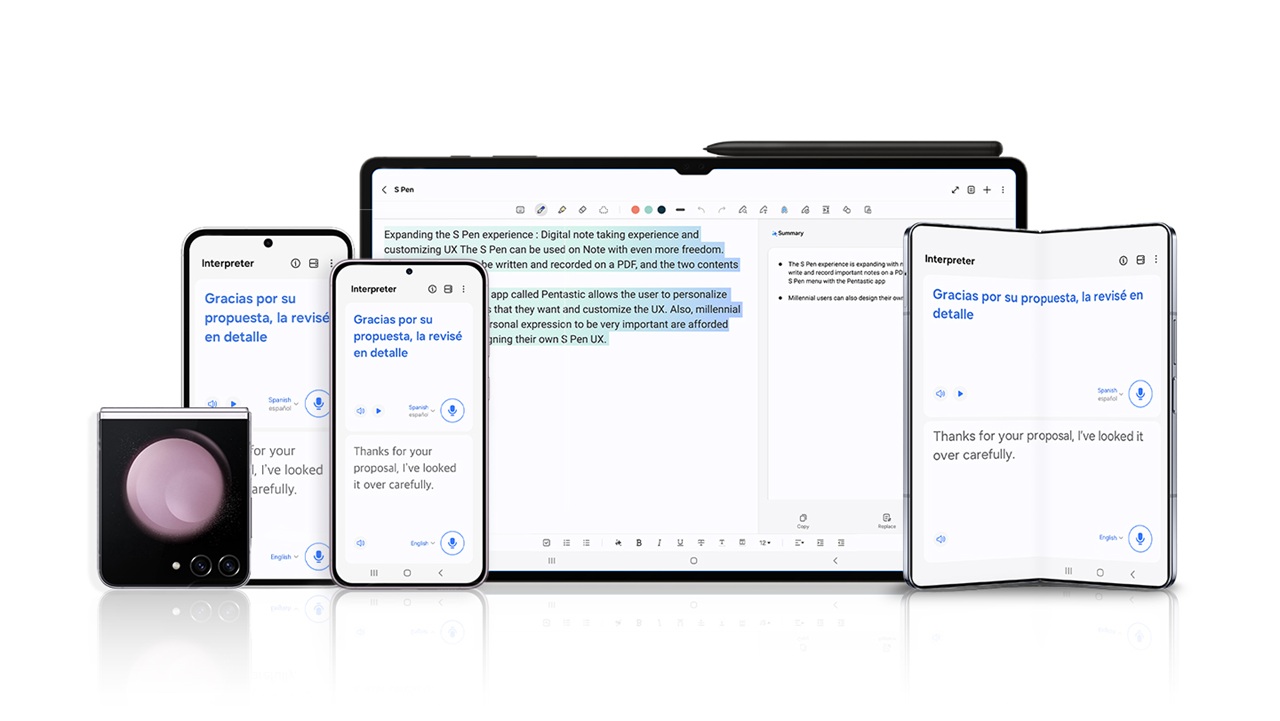
    Samsung has quietly transformed the way we use smartphones. What once felt like simple software upgrades now feels more like having a smart assistant living inside your device. With the latest Galaxy AI updates, Samsung is pushing its ecosystem into a new era where your phone understands context, adapts to your habits, and helps you get things done faster.

    If you have used a Galaxy device recently, you might have already noticed small but meaningful changes. Messages feel smarter, photos look sharper without effort, and even simple tasks like searching or translating feel more natural. These improvements are not random. They are part of Samsung’s broader AI vision that blends on device intelligence with cloud power.

    In this guide, we will walk through the most important Samsung Galaxy AI updates and features, and explain how they actually make a difference in real life.

    What Is Samsung Galaxy AI

    Samsung Galaxy AI is a collection of artificial intelligence features built directly into Galaxy smartphones and tablets. Unlike older features that required separate apps, Galaxy AI works across the system. It enhances communication, photography, productivity, and even battery efficiency.

    The biggest shift is that many of these features now run on device. This means faster results and better privacy. At the same time, Samsung still uses cloud processing for more complex tasks when needed.

    In simple terms, Galaxy AI is designed to make your phone feel less like a tool and more like a smart companion.

    Real Time Call Translation

    One of the most talked about features is Live Translate. This tool allows you to have phone calls in different languages without needing a third party app.

    When you speak, your words are translated in real time for the other person. Their response is then translated back to you. Everything happens seamlessly during the call.

    Imagine calling a client in another country or speaking with someone who does not share your language. Instead of struggling, your phone handles the communication.

    The most impressive part is that this feature works directly within the dialer app. There is no need to switch between apps or copy text.

    AI Powered Messaging Assistance

    Typing messages has become much easier with Galaxy AI. The built in writing assistant can suggest replies, improve tone, and even rewrite your message in different styles.

    For example, you can turn a casual message into a professional one with a single tap. This is especially useful for emails or work related chats.

    Another practical feature is grammar correction. If you often send quick messages with mistakes, the AI can clean them up before sending.

    It feels like having an editor inside your keyboard, but without slowing you down.

    Circle to Search Feature

    Samsung introduced a simple yet powerful feature called Circle to Search. Instead of typing queries, you can simply draw a circle around anything on your screen to search for it.

    Let’s say you see a product in a photo or a video. Just circle it, and your phone will instantly show related results. No need to take screenshots or switch apps.

    This feature saves time and feels very natural once you start using it. It changes the way people interact with search completely.

    Smarter Photo Editing with AI

    Photography has always been a strong point for Samsung, but AI has taken it to another level.

    With Galaxy AI, you can edit photos in ways that previously required professional tools. You can remove unwanted objects, adjust backgrounds, and even reposition elements within an image.

    One standout feature is Generative Edit. If you move an object in your photo, the AI can intelligently fill in the missing background. It does not look artificial or forced.

    Another helpful tool is automatic enhancement. The AI analyzes lighting, contrast, and colors to improve your photos instantly.

    For everyday users, this means better photos without learning complex editing skills.

    AI Zoom and Night Photography

    Zoom and low light photography have also improved significantly. Galaxy AI enhances details when zooming in, making distant objects appear clearer.

    In night mode, AI reduces noise and improves brightness while maintaining natural colors. This is particularly useful for capturing moments in dim environments.

    These improvements may seem subtle at first, but they make a big difference when you compare photos side by side.

    Notes and Productivity Features

    Samsung Notes has received a major upgrade with AI integration. You can now summarize long notes, organize content, and even generate formatted text automatically.

    For students and professionals, this is a game changer. Instead of manually reviewing pages of notes, you can get a quick summary in seconds.

    Another feature is automatic formatting. If your notes are messy, the AI can clean them up and structure them properly.

    These tools save time and make it easier to stay organized.

    AI in Samsung Keyboard

    The Samsung Keyboard now includes several AI tools that improve everyday typing.

    You can translate text in real time while typing. This is useful when chatting with someone in a different language.

    There is also a tone adjustment feature. Whether you want your message to sound formal, friendly, or concise, the AI can modify it instantly.

    These features may seem small, but they add up to a smoother communication experience.

    Voice Recorder with Transcription

    Samsung has upgraded its Voice Recorder app with AI transcription. When you record audio, the app can convert speech into text automatically.

    It also identifies different speakers and labels them accordingly. This is especially helpful for meetings, interviews, or lectures.

    You no longer need to manually write notes while listening. The AI does it for you.

    AI Battery Optimization

    Battery life is one of the most important aspects of any smartphone. Samsung uses AI to analyze your usage patterns and optimize power consumption.

    Apps that you rarely use are limited in the background, while frequently used apps remain active.

    Over time, your phone learns your habits and adjusts accordingly. This leads to better battery performance without requiring manual settings.

    Privacy and On Device Processing

    One concern many users have with AI is privacy. Samsung addresses this by processing many tasks directly on the device.

    This means your data does not always need to be sent to external servers. Sensitive tasks like message suggestions or translations can happen locally.

    For more complex features, cloud processing is used, but Samsung provides transparency and control over your data.

    This balance between performance and privacy is an important step forward.

    Integration Across Samsung Ecosystem

    Galaxy AI is not limited to smartphones. It works across tablets, watches, and other Samsung devices.

    For example, you can start a task on your phone and continue it on your tablet. AI helps maintain context and continuity.

    This ecosystem approach makes Samsung devices feel more connected and efficient.

    How Galaxy AI Helps in Daily Life

    While all these features sound impressive, the real question is how they impact everyday use.

    Think about small moments throughout your day. Sending messages, taking photos, searching for information, or managing tasks.

    Galaxy AI simplifies each of these actions. It reduces effort, saves time, and improves results.

    Instead of manually adjusting settings or switching apps, the AI handles things in the background.

    Over time, this creates a smoother and more enjoyable experience.

    Future of Samsung Galaxy AI

    Samsung is just getting started with AI. Future updates are expected to bring even more advanced features.

    We may see deeper personalization, smarter automation, and improved integration with other services.

    There is also a strong focus on making AI more natural and less intrusive. The goal is to assist without overwhelming the user.

    As technology evolves, Galaxy AI will likely become an essential part of the smartphone experience.

    Final Thoughts

    Samsung Galaxy AI updates are not just about adding new features. They represent a shift in how smartphones are designed and used.

    Instead of relying on manual input, your device now understands context and adapts to your needs.

    From real time translation to intelligent photo editing, these features are built to solve real problems.

    If you are using a recent Galaxy device, exploring these tools can change the way you interact with your phone.

    And if you are considering an upgrade, Galaxy AI is one of the strongest reasons to make the switch.

    The future of smartphones is not just faster hardware or better screens. It is smarter software that works with you, not against you. Samsung is clearly moving in that direction, and Galaxy AI is proof of that.

  • Samsung New Chip Technology Explained Simply

    Samsung New Chip Technology Explained Simply

    Samsung has quietly become one of the most important players in the global tech ecosystem. While most people recognize the brand for its smartphones, TVs, and home appliances, the real engine behind its success lies deep inside devices we use every day. That engine is semiconductor technology.

    If you have ever wondered why modern smartphones feel faster, laptops run cooler, or AI tools respond almost instantly, the answer often comes down to advancements in chip technology. Samsung’s latest developments in this space are not just incremental upgrades. They are shaping the future of computing, mobile devices, and even artificial intelligence.

    Let’s break down Samsung’s new chip technology in a way that actually makes sense, without getting lost in overly technical jargon.

    What Is Samsung’s New Chip Technology?

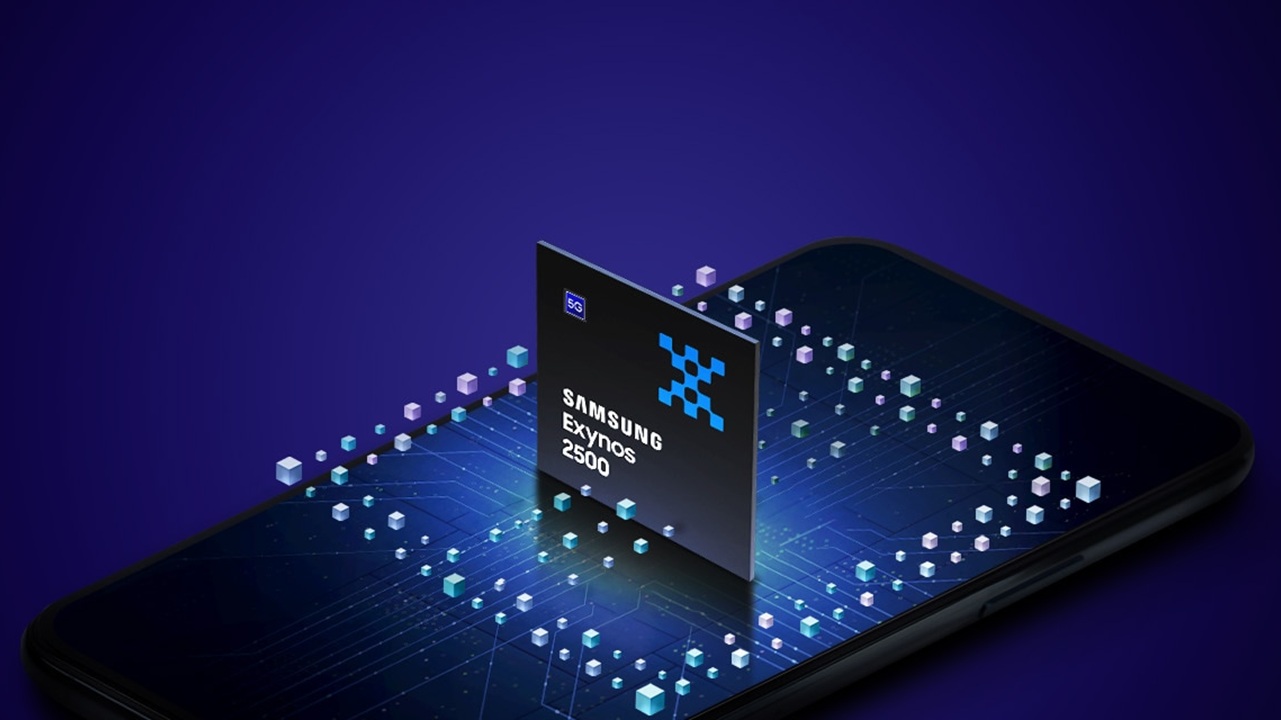
    Samsung’s newest chip technology focuses on smaller, faster, and more efficient semiconductor designs. The company is pushing boundaries with advanced fabrication processes like 3nm and beyond, using cutting-edge transistor architecture called Gate-All-Around or GAA.

    In simple terms, Samsung is making chips that can do more work while using less power and generating less heat. That might sound like a small improvement, but in the world of computing, it is a massive leap forward.

    Think of it like upgrading from a regular highway to a super-efficient expressway where more cars can travel faster using less fuel. That is essentially what Samsung is doing with its chips.

    Understanding 3nm Technology in Simple Words

    One of the biggest highlights of Samsung’s innovation is its move to 3nm chip manufacturing. The “nm” or nanometer refers to the size of the tiny components inside a chip.

    Smaller size means more transistors can fit into the same space. More transistors mean better performance and efficiency.

    Here is why 3nm matters:

    • Faster processing speeds for apps and games
    • Better battery life for smartphones and laptops
    • Reduced heat generation
    • Improved AI performance

    Compared to older 5nm or 7nm chips, 3nm technology delivers noticeable improvements that users can actually feel in daily use.

    What Is Gate-All-Around Technology?

    Gate-All-Around or GAA is the real game changer behind Samsung’s new chips.

    Traditional chips use a design called FinFET, where the transistor gate controls current from three sides. Samsung’s GAA design wraps the gate around all sides of the transistor, allowing much better control.

    That control leads to:

    • Lower power leakage
    • Higher efficiency
    • Better performance at lower voltages

    If you imagine water flowing through a pipe, GAA is like having perfect control over the valve, ensuring no waste and maximum efficiency.

    Samsung is among the first companies to commercialize this technology at scale, giving it a competitive edge in the semiconductor race.

    Why Samsung’s Chip Innovation Matters

    You might be thinking, why should the average user care about chip architecture?

    The answer is simple. Chips power everything.

    From smartphones and laptops to cars and smart home devices, better chips mean better experiences.

    Here is how Samsung’s new chip technology impacts everyday life:

    Faster Smartphones

    Apps open instantly, games run smoothly, and multitasking becomes seamless. You will notice less lag and better responsiveness.

    Longer Battery Life

    With improved efficiency, devices can last longer on a single charge. This is especially important for heavy users.

    Better AI Features

    Modern apps rely heavily on AI. Whether it is photo editing, voice assistants, or real-time translations, faster chips make these features more accurate and quicker.

    Improved Gaming Experience

    Gamers benefit from higher frame rates, better graphics, and less overheating during long sessions.

    Samsung vs Competitors

    Samsung is not alone in the chip race. Companies like TSMC, Intel, and Apple are also pushing boundaries.

    However, Samsung stands out in a few key areas:

    • Early adoption of GAA technology
    • Strong vertical integration from design to manufacturing
    • Ability to produce chips for both its own devices and other brands

    While TSMC leads in manufacturing for companies like Apple, Samsung’s approach of combining innovation with in-house production gives it unique advantages.

    The competition is intense, and that is actually good for consumers. It drives faster innovation and better products.

    Impact on Smartphones and Future Devices

    Samsung’s chip technology is already making its way into smartphones, especially in flagship devices.

    Future phones powered by these chips will likely offer:

    • Near-instant app launches
    • Advanced AI camera capabilities
    • Enhanced augmented reality experiences
    • Better 5G performance

    But it does not stop there.

    Samsung’s innovations are also expected to influence:

    • Foldable devices
    • Smartwatches and wearables
    • Autonomous vehicles
    • Data centers and cloud computing

    This means the impact of these chips goes far beyond just phones.

    Energy Efficiency and Sustainability

    One of the less talked about benefits of advanced chip technology is energy efficiency.

    Smaller and smarter chips consume less power, which helps reduce overall energy usage. For large data centers and cloud platforms, this can translate into significant environmental benefits.

    Samsung is actively focusing on reducing power consumption in its semiconductor processes. This is not just about performance anymore. It is also about sustainability.

    As the world moves toward greener technology, efficient chips will play a major role.

    Challenges Samsung Faces

    Despite its progress, Samsung’s journey is not without challenges.

    Developing advanced chips is extremely complex and expensive. Manufacturing at 3nm requires precision at an atomic level, where even tiny errors can impact performance.

    Some of the key challenges include:

    • High production costs
    • Yield issues during manufacturing
    • Intense competition from TSMC and Intel
    • Rapidly changing market demands

    However, Samsung continues to invest heavily in research and development to overcome these hurdles.

    What This Means for the Future of Technology

    Samsung’s new chip technology is not just an upgrade. It represents a shift toward a more powerful and efficient digital world.

    In the coming years, we can expect:

    • Smarter AI systems that feel more human-like
    • Devices that last longer without charging
    • Faster and more reliable connectivity
    • Breakthroughs in areas like robotics and automation

    For everyday users, this means technology will become more seamless, less intrusive, and more integrated into daily life.

    Final Thoughts

    Samsung’s advancements in chip technology might not always make headlines like smartphones do, but they are the foundation of modern innovation.

    The move to 3nm and the adoption of Gate-All-Around architecture mark a significant step forward. These changes are not just about numbers or benchmarks. They translate into real-world improvements that users can feel.

    Whether you are a casual smartphone user, a gamer, or someone who relies on technology for work, Samsung’s new chips are shaping the experience you will have in the near future.

    As competition continues and technology evolves, one thing is clear. The race to build better chips is far from over, and Samsung is firmly in the lead pack, pushing boundaries that will define the next generation of devices.

  • Global Race to Build Powerful AI Systems

    Global Race to Build Powerful AI Systems

    The race to build powerful AI systems is no longer a distant concept discussed only in research labs. It is happening right now, shaping industries, economies, and even geopolitics. From Silicon Valley to Beijing, governments and tech giants are investing billions to develop smarter, faster, and more capable artificial intelligence.

    What makes this race different from previous technological competitions is its speed and impact. AI is not just another tool. It is a foundational technology that can influence everything from healthcare and education to defense and entertainment. The countries and companies that lead in AI today may define how the world works tomorrow.

    Why the AI Race Matters More Than Ever

    Artificial intelligence has moved far beyond simple automation. Modern AI systems can write, design, analyze data, and even make decisions that once required human intelligence. This shift has created a sense of urgency among global powers.

    The stakes are high. AI leadership means economic dominance, national security advantages, and control over critical technologies. Nations understand that falling behind in AI development could have long-term consequences.

    For everyday people, this race affects job markets, privacy, and access to technology. The tools being built today will shape how people work, learn, and interact in the future.

    Key Players in the Global AI Race

    Several major players are driving the global push for advanced AI systems. Each has its own strategy, strengths, and goals.

    United States

    The United States remains a leader in AI innovation, thanks to companies like OpenAI, Google, Microsoft, and Meta. These organizations are pushing boundaries with large language models, generative AI tools, and advanced research.

    The US benefits from a strong startup ecosystem and access to top talent. Universities and private labs work closely together, creating a powerful pipeline for innovation.

    China

    China has made AI a national priority. With strong government support and massive data resources, Chinese companies like Baidu, Alibaba, and Tencent are rapidly advancing their AI capabilities.

    China focuses heavily on real-world applications such as smart cities, surveillance systems, and industrial automation. Its approach is often more centralized compared to the US.

    Europe

    Europe takes a different path by emphasizing ethical AI and regulation. While it may not lead in raw AI power, it plays a crucial role in shaping global standards.

    The European Union is actively working on policies to ensure AI is safe, transparent, and aligned with human values.

    Other Emerging Players

    Countries like India, the United Kingdom, Canada, and Israel are also making significant contributions. These regions are investing in AI research, startups, and talent development to stay competitive.

    India, in particular, is emerging as a strong player due to its large tech workforce and growing startup ecosystem.

    The Role of Big Tech Companies

    While governments set policies, tech companies are the ones building the actual systems. Companies are competing to create the most advanced AI models, often releasing new updates at a rapid pace.

    This competition has led to breakthroughs in areas such as natural language processing, computer vision, and robotics. Tools that once seemed futuristic are now available to the public.

    However, this fast pace also raises concerns. Companies are under pressure to innovate quickly, which can sometimes lead to overlooked risks.

    AI Chips and Infrastructure

    Behind every powerful AI system is a massive amount of computing power. Specialized hardware, particularly AI chips, plays a critical role in this race.

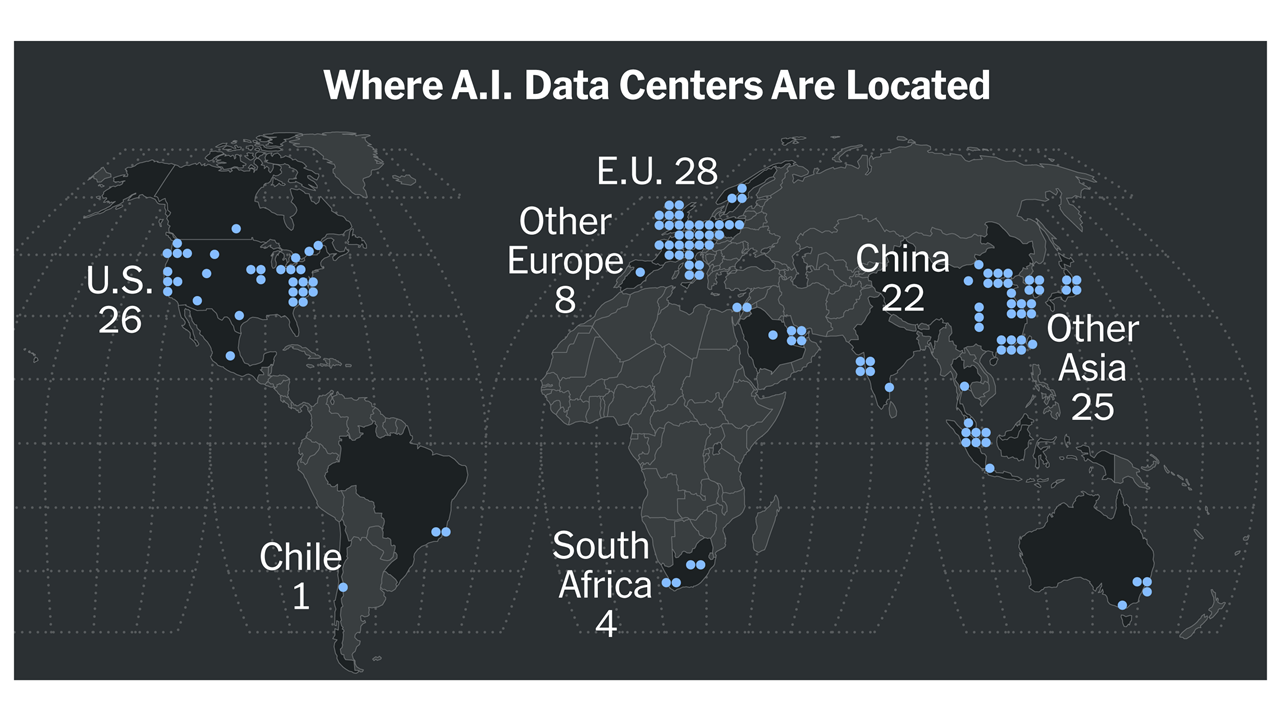
    Companies like NVIDIA, AMD, and Intel are competing to produce faster and more efficient processors. Meanwhile, cloud providers are building huge data centers to support AI workloads.

    The demand for computing resources has created a new kind of competition, sometimes referred to as the “chip war.” Access to advanced hardware can determine who leads in AI development.

    Ethical Challenges and Risks

    As AI systems become more powerful, the risks associated with them also increase. One of the biggest concerns is misuse.

    AI can be used to create deepfakes, spread misinformation, or automate cyberattacks. Without proper safeguards, these risks could grow rapidly.

    Another major issue is bias. AI systems learn from data, and if that data contains biases, the results can be unfair or discriminatory.

    Privacy is also a growing concern. Many AI systems rely on large amounts of personal data, raising questions about how that data is collected and used.

    The Push for Regulation

    Governments around the world are beginning to recognize the need for AI regulation. The goal is to balance innovation with safety.

    Some countries are introducing laws that require transparency in AI systems. Others are focusing on data protection and ethical guidelines.

    However, regulation is not easy. Too much control can slow innovation, while too little can lead to serious risks. Finding the right balance is one of the biggest challenges in the AI race.

    Impact on Jobs and the Economy

    AI is already transforming the job market. Some roles are being automated, while new ones are being created.

    Jobs that involve repetitive tasks are most at risk. At the same time, there is growing demand for skills related to AI, data analysis, and technology.

    For businesses, AI offers opportunities to increase efficiency and reduce costs. Companies that adopt AI early may gain a significant competitive advantage.

    For workers, adapting to these changes will be essential. Learning new skills and staying updated with technology will become increasingly important.

    AI in Everyday Life

    The impact of the AI race is not limited to big companies or governments. It is already visible in daily life.

    From voice assistants and recommendation systems to smart home devices and online tools, AI is everywhere. Many people use AI without even realizing it.

    As systems become more advanced, they will become even more integrated into daily routines. This could make life more convenient, but it also raises questions about dependence on technology.

    Collaboration vs Competition

    While the AI race is often framed as a competition, collaboration also plays a role. Researchers and companies sometimes share knowledge and work together on common challenges.

    Open-source projects and international partnerships can accelerate progress. However, geopolitical tensions can limit collaboration, especially in sensitive areas.

    Balancing competition with cooperation will be important for the future of AI.

    What the Future Might Look Like

    Predicting the future of AI is not easy, but some trends are clear. AI systems will continue to become more powerful and more capable.

    We may see breakthroughs in areas like healthcare, where AI could help diagnose diseases earlier and more accurately. Education could become more personalized, with AI adapting to individual learning styles.

    At the same time, new challenges will emerge. Questions about control, safety, and ethics will become even more important.

    The outcome of the AI race will not just depend on technology. It will also depend on how societies choose to use and regulate that technology.

    Final Thoughts

    The global race to build powerful AI systems is shaping the future in ways that are hard to ignore. It is a story of innovation, ambition, and competition, but also one of responsibility.

    For individuals, businesses, and governments, the key will be to stay informed and prepared. AI is not just a trend. It is a transformative force that will continue to evolve.

    Understanding this race is the first step toward navigating the changes it brings. Whether as a user, a developer, or a policymaker, everyone has a role to play in shaping how AI impacts the world.

  • Human Like AI Voice Technology Explained Guide

    Human Like AI Voice Technology Explained Guide

    If you have recently watched a video, listened to a podcast, or even interacted with a chatbot, there is a good chance you have already experienced human like AI voice technology without realizing it. What once sounded robotic and flat has now evolved into voices that feel natural, emotional, and surprisingly real.

    This shift has changed the way we create content, communicate with machines, and even run businesses. From YouTube creators to large companies, everyone is starting to rely on AI voices that can speak just like a human.

    In this guide, you will understand how human like AI voice technology works, why it matters, where it is used, and what the future holds.

    What Is Human Like AI Voice Technology

    AI Voice

    Human like AI voice technology refers to advanced systems that convert text into speech that sounds natural and expressive. Unlike older text to speech systems that sounded monotone, modern AI voices include emotion, pauses, tone variation, and realistic pronunciation.

    The goal is simple. Make a machine sound like a real person.

    These systems are powered by artificial intelligence models trained on thousands of hours of human speech. They learn how humans speak, including rhythm, pitch, and subtle emotions.

    As a result, AI voices today can sound friendly, serious, excited, or even empathetic depending on the situation.

    How AI Voice Technology Works

    To understand how realistic AI voices are created, it helps to break the process into simple steps.

    1. Text Analysis

    The system first reads and understands the text. It identifies punctuation, sentence structure, and meaning. This helps the AI decide where to pause and how to emphasize words.

    2. Linguistic Processing

    Next, the text is converted into phonemes, which are the basic units of sound in a language. This step ensures accurate pronunciation.

    3. Neural Voice Generation

    Modern AI uses deep learning models, often called neural networks, to generate speech. These models are trained on real human recordings and learn patterns of natural speech.

    4. Adding Emotion and Tone

    Advanced systems add emotion by adjusting pitch, speed, and stress on certain words. This is what makes the voice feel human rather than robotic.

    5. Audio Output

    Finally, the system produces a high quality audio file that sounds like a real person speaking.

    Key Features of Human Like AI Voices

    The biggest difference between traditional and modern AI voices lies in the details. Here are some features that make AI voices sound realistic.

    Natural Intonation

    The voice rises and falls naturally, just like human speech. This avoids the flat tone of older systems.

    Emotional Expression

    AI can simulate emotions such as happiness, sadness, excitement, or calmness.

    Multilingual Support

    Many AI tools can speak multiple languages and even switch between accents.

    Voice Cloning

    Some platforms allow users to create a digital version of their own voice.

    Real Time Processing

    AI voices can now be generated instantly, making them useful for live applications.

    Popular Uses of AI Voice Technology

    Human like AI voices are not just a novelty. They are being used in real world applications across industries.

    Content Creation

    YouTubers, podcasters, and bloggers use AI voices to create content quickly without recording their own voice.

    Customer Support

    Many companies use AI voice assistants to handle calls and answer customer queries.

    E Learning

    Educational platforms use AI narration to create engaging lessons and tutorials.

    Audiobooks

    Publishers use AI voices to produce audiobooks faster and at lower cost.

    Gaming and Animation

    Game developers use AI voices to create characters and dialogues.

    Accessibility

    AI voices help visually impaired users by reading text aloud.

    Benefits of Human Like AI Voice Technology

    There is a reason why this technology is growing so fast. It offers several clear advantages.

    Saves Time

    Creating voice content manually takes hours. AI can do it in minutes.

    Cost Effective

    Hiring voice artists can be expensive. AI provides a budget friendly alternative.

    Consistency

    AI voices maintain the same tone and quality every time.

    Scalability

    You can create large amounts of audio content quickly.

    Customization

    Users can choose different voices, accents, and speaking styles.

    Challenges and Limitations

    While AI voice technology is impressive, it is not perfect.

    Lack of True Emotion

    Even though AI can simulate emotions, it may still lack the depth of real human feeling.

    Ethical Concerns

    Voice cloning can be misused if not regulated properly.

    Dependence on Data

    The quality of AI voices depends on the data used for training.

    Detection Issues

    In some cases, it can be difficult to distinguish between real and AI generated voices.

    Best AI Voice Tools in 2026

    Several platforms are leading the way in human like AI voice technology.

    ElevenLabs

    Known for highly realistic voices and advanced voice cloning.

    Murf AI

    Popular among content creators for its ease of use.

    PlayHT

    Offers a wide range of voices and languages.

    Descript

    Combines audio editing with AI voice generation.

    Amazon Polly

    A reliable option for developers and businesses.

    Human Touch in AI Voice Content

    Even with advanced technology, the human touch still matters. The best results often come from combining AI efficiency with human creativity.

    For example, choosing the right script, tone, and pacing can make a huge difference. A well written script can make an AI voice sound much more natural.

    Think of AI as a tool rather than a replacement. It enhances your work, but your input still shapes the final result.

    Future of AI Voice Technology

    The future of human like AI voices looks incredibly promising.

    We are already seeing voices that can adapt in real time based on context. Soon, AI may be able to hold full conversations with natural emotion and understanding.

    Some expected trends include:

    More realistic emotional intelligence
    Better voice cloning with fewer samples
    Real time translation with natural voices
    Integration with virtual reality and metaverse platforms

    As technology improves, the line between human and AI voices will continue to blur.

    Final Thoughts

    Human like AI voice technology is no longer just a futuristic concept. It is here, and it is transforming how we communicate and create content.

    Whether you are a content creator, business owner, or just curious about AI, understanding this technology gives you a clear advantage. It saves time, reduces cost, and opens new creative possibilities.

    At the same time, it is important to use it responsibly. As voices become more realistic, ethical use will become even more important.

    The bottom line is simple. AI voices are getting closer to sounding human every day, and those who learn how to use them effectively will stay ahead in the digital world.

  • Microsoft Expands AI Integration in Windows Apps

    Microsoft Expands AI Integration in Windows Apps

    Microsoft is quietly but steadily reshaping the way people interact with their computers. What once felt like separate tools scattered across an operating system is now evolving into a connected, intelligent ecosystem. The latest push to integrate artificial intelligence across Windows apps is not just another feature update. It represents a shift in how everyday tasks are completed, how productivity is measured, and how users expect software to behave.

    If you have used Windows recently, you may have already noticed subtle changes. Suggestions that feel more relevant, tools that anticipate what you need, and apps that seem to “understand” your workflow. These are not random improvements. They are part of Microsoft’s broader strategy to embed AI deeply into the core of Windows.

    The Vision Behind AI Integration in Windows

    Microsoft’s approach to AI is not about adding flashy tools that sit unused after a few days. Instead, the company is focusing on practical integration. The goal is simple: reduce friction in daily tasks.

    Think about how much time is spent switching between apps, searching for files, rewriting emails, or organizing data. Microsoft sees these small inefficiencies as opportunities. By embedding AI directly into Windows apps, the company aims to make those tasks faster and more intuitive.

    This vision is largely powered by technologies like Microsoft Copilot, which acts as an intelligent assistant across multiple apps. Rather than being limited to one program, AI becomes a layer that connects everything.

    AI in Microsoft Word: Smarter Writing Assistance

    Microsoft Word has come a long way from being just a document editor. With AI integration, it is turning into a writing partner.

    Users can now generate drafts, rewrite paragraphs, adjust tone, and even summarize long documents in seconds. For someone working on reports or articles, this can save hours of effort. But what stands out is how natural the experience feels.

    Instead of interrupting your workflow, AI suggestions appear when needed. You remain in control, but you have a powerful assistant ready to step in whenever required.

    For example, if you are struggling to start a document, you can simply provide a short prompt and let AI create a structured draft. From there, you can refine and personalize it, keeping your voice intact.

    Excel Gets a Brain: Data Analysis Made Easy

    Excel has always been powerful, but not everyone knows how to unlock its full potential. Complex formulas and data analysis can feel overwhelming, especially for beginners.

    AI is changing that.

    With new AI features, users can ask questions in plain language and get instant insights. Instead of writing formulas manually, you can type something like “show me trends in monthly sales” and Excel will do the heavy lifting.

    This makes data analysis more accessible. Small business owners, students, and professionals can all benefit without needing advanced technical skills.

    Another advantage is predictive analysis. AI can identify patterns, highlight anomalies, and suggest visualizations that make data easier to understand.

    PowerPoint: From Ideas to Presentations in Minutes

    Creating a presentation often takes longer than expected. Designing slides, choosing layouts, and organizing content can be time consuming.

    With AI integration, PowerPoint is becoming significantly faster to use.

    You can generate entire presentations from a simple idea or document. AI helps structure slides, suggest visuals, and even write speaker notes. This is especially useful for professionals who need to prepare presentations quickly.

    The design suggestions are also more refined. Instead of generic templates, AI adapts layouts based on your content, making presentations look polished without much effort.

    Outlook and AI: Smarter Communication

    Email remains a critical communication tool, but managing it can be overwhelming. Long threads, repetitive replies, and missed messages are common challenges.

    Microsoft is addressing this with AI powered features in Outlook.

    Users can summarize email threads, draft replies, and prioritize important messages automatically. This reduces the mental load of managing inboxes.

    For professionals handling dozens of emails daily, these features can make a noticeable difference. Instead of spending time sorting through messages, you can focus on what truly matters.

    AI also helps maintain tone and clarity in communication. Whether you need a formal response or a quick reply, the system adapts accordingly.

    File Explorer and Windows Search Become Smarter

    Finding files on a computer can sometimes feel like searching for a needle in a haystack. Even with organized folders, it is easy to lose track of documents.

    Microsoft is improving this experience with AI enhanced search.

    Instead of relying on exact file names, users can search using natural language. For example, typing “photos from last summer trip” or “budget file from last month” can bring up relevant results.

    This shift makes file management more intuitive. You no longer need to remember precise details. The system understands context and intent.

    Paint, Photos, and Creative Apps Get an Upgrade

    AI is not limited to productivity tools. Creative apps in Windows are also evolving.

    Microsoft Paint, once considered basic, now includes AI features like background removal and image generation. The Photos app offers intelligent editing tools that can enhance images automatically.

    These updates are particularly useful for casual users who want quick results without learning complex software. At the same time, they provide a foundation for more advanced creative workflows.

    The gap between professional and everyday tools is shrinking, and AI is the driving force behind it.

    Microsoft Copilot: The Center of It All

    At the heart of this transformation is Microsoft Copilot.

    Copilot acts as a unified assistant that works across Windows apps. It understands context, remembers user preferences, and provides assistance wherever needed.

    For example, you can ask Copilot to summarize a document, create a presentation based on it, and draft an email to share it. All of this can happen without switching between multiple apps manually.

    This level of integration is what sets Microsoft apart. Instead of isolated AI features, the company is building a connected experience.

    Privacy and Security Considerations

    With increased AI integration, concerns about privacy and data security naturally arise.

    Microsoft has emphasized that user data protection remains a priority. Many AI features are designed with enterprise level security in mind, ensuring that sensitive information is handled responsibly.

    Users also have control over how AI interacts with their data. Transparency and customization options are key parts of the system.

    However, it is important for users to stay informed and understand how these tools work. AI is powerful, but it should always be used with awareness.

    Real World Impact on Productivity

    The biggest question is whether these AI features actually make a difference in daily life.

    For many users, the answer is yes.

    Tasks that once took hours can now be completed in minutes. Writing, analyzing data, creating presentations, and managing communication are all becoming faster and more efficient.

    But beyond speed, there is another benefit: reduced mental effort.

    AI handles repetitive tasks, allowing users to focus on creative and strategic work. This shift can lead to better outcomes and less burnout.

    Challenges and Limitations

    While AI integration is impressive, it is not perfect.

    There are times when suggestions may not fully match user intent. Overreliance on AI can also lead to less critical thinking if users accept outputs without review.

    Additionally, not all features are available in every region or version of Windows. Some require subscriptions or specific hardware capabilities.

    These limitations highlight the importance of balance. AI should be seen as a tool, not a replacement for human judgment.

    The Future of AI in Windows

    Microsoft’s current updates are just the beginning.

    As AI technology continues to evolve, we can expect even deeper integration across Windows apps. Features will become more personalized, more accurate, and more proactive.

    The line between operating system and assistant will continue to blur. Computers will not just respond to commands. They will anticipate needs.

    This future may sound ambitious, but it is already taking shape.

    Final Thoughts

    Microsoft’s expansion of AI across Windows apps is not about adding complexity. It is about simplifying everyday tasks.

    From writing documents to analyzing data and managing emails, AI is becoming a natural part of the workflow. The changes may feel subtle at first, but over time, they redefine how people use their computers.

    For users willing to explore these features, the benefits are clear. More efficiency, better organization, and a smoother digital experience.

    The real transformation is not just in the tools themselves, but in how seamlessly they fit into daily life.

  • Best AI Calculators for Health and Fitness

    Best AI Calculators for Health and Fitness

    Health and fitness are no longer just about hitting the gym or following a diet plan. Today, smart tools powered by artificial intelligence are transforming how people track their progress, plan meals, and improve overall wellness. AI calculators are leading this change by offering personalized insights that go far beyond traditional methods.

    Instead of guessing how many calories you should eat or how much exercise you need, AI-driven tools analyze your data and give you clear, actionable recommendations. Whether you are trying to lose weight, build muscle, or simply stay active, these calculators can help you stay on track without confusion.

    In this guide, you will discover the best AI calculators for health and fitness tracking, how they work, and why they are becoming essential for modern lifestyles.

    What Are AI Health and Fitness Calculators

    AI health calculators are digital tools that use algorithms and user data to provide accurate fitness and nutrition insights. Unlike basic calculators, these tools adapt to your behavior over time.

    For example, a traditional calorie calculator gives you a fixed number. An AI-powered version learns from your daily activity, weight changes, and eating habits to refine its recommendations.

    These tools typically use inputs such as:

    • Age and gender
    • Height and weight
    • Activity level
    • Fitness goals
    • Dietary preferences

    Some advanced platforms even integrate with fitness trackers and smartwatches to provide real-time updates.

    Why AI Calculators Are Better Than Traditional Tools

    The biggest difference is personalization. Traditional tools treat everyone the same, while AI calculators adjust based on your lifestyle.

    Here is why they stand out:

    Smarter recommendations
    AI tools analyze patterns instead of relying on static formulas.

    Real time updates
    Your plan changes as your body and habits change.

    Better accuracy
    Continuous data tracking improves precision over time.

    Time saving
    No need to manually calculate everything.

    Motivation boost
    Seeing progress in real time helps you stay consistent.

    In simple terms, AI calculators act like a digital fitness assistant that evolves with you.

    Best AI Calculators for Health and Fitness Tracking

    1. AI Calorie Calculator

    An AI calorie calculator helps you understand exactly how many calories you need each day. It goes beyond basic formulas by considering your activity levels and progress.

    Instead of sticking to a fixed calorie limit, it adjusts your intake based on your results. If you are not losing weight as expected, it fine tunes your plan automatically.

    This makes it ideal for both beginners and experienced fitness enthusiasts.

    2. BMI Calculator with AI Insights

    Body Mass Index is one of the most common health metrics, but basic BMI calculators often lack context. AI-powered BMI tools provide deeper analysis.

    They do not just show a number. They explain what it means for your health and suggest practical steps to improve it.

    Some even combine BMI with body fat percentage and muscle mass for a more complete picture.

    3. BMR Calculator

    Your Basal Metabolic Rate tells you how many calories your body burns at rest. AI-powered BMR calculators take this further by adjusting based on lifestyle changes.

    For example, if your activity level increases, the calculator updates your daily calorie needs accordingly.

    This ensures your diet plan always matches your current routine.

    4. TDEE Calculator

    Total Daily Energy Expenditure is one of the most important numbers for fitness planning. AI-driven TDEE calculators track your daily movements and workouts to provide accurate estimates.

    Instead of relying on general activity categories, they use real data from your day to calculate energy usage.

    This helps you avoid under eating or over eating.

    5. Body Fat Calculator

    Weight alone does not tell the full story. Body fat percentage is a better indicator of fitness.

    AI body fat calculators use advanced formulas and sometimes visual analysis to estimate your body composition.

    Some tools even allow you to upload photos for more accurate predictions, making them far more useful than traditional methods.

    6. AI Diet and Meal Planning Calculator

    One of the most powerful tools in this category is the AI diet planner. It creates meal plans tailored to your calorie needs, preferences, and goals.

    Whether you are vegetarian, vegan, or following a specific diet, the tool adapts accordingly.

    It can also suggest recipes, track nutrients, and adjust portions based on your progress.

    7. Workout and Fitness Tracker Calculator

    AI workout calculators help you design effective training plans. They analyze your performance and suggest improvements.

    For example, if your progress slows down, the system might recommend increasing intensity or changing exercises.

    This removes the guesswork and helps you train smarter.

    8. Water Intake Calculator

    Hydration plays a crucial role in overall health. AI water intake calculators consider your weight, activity level, and climate to suggest how much water you should drink.

    Some tools send reminders throughout the day to keep you hydrated.

    9. Sleep Calculator with AI Tracking

    Sleep is often overlooked in fitness journeys. AI sleep calculators analyze your patterns and recommend optimal sleep schedules.

    They can also suggest changes to improve sleep quality, which directly impacts recovery and performance.

    How to Choose the Right AI Calculator

    Not all tools are created equal, so choosing the right one matters.

    Here are a few things to consider:

    Ease of use
    The interface should be simple and easy to understand.

    Integration options
    Look for tools that connect with your fitness devices.

    Customization
    The more personalized the recommendations, the better.

    Accuracy
    Check reviews and reliability of the tool.

    Goal alignment
    Choose a calculator that matches your specific fitness goals.

    Real Life Benefits of Using AI Fitness Calculators

    Many people start their fitness journey with motivation but struggle to stay consistent. AI tools help bridge that gap.

    They provide clarity, remove confusion, and make it easier to stick to a plan. Instead of feeling overwhelmed, you get clear steps to follow.

    For example, someone trying to lose weight can track calorie intake, monitor progress, and adjust their plan without guessing. Similarly, athletes can optimize their training and recovery.

    Over time, these small improvements add up and lead to noticeable results.

    Common Mistakes to Avoid

    Even the best tools can give poor results if used incorrectly.

    Avoid these common mistakes:

    Ignoring accurate inputs
    Incorrect data leads to wrong recommendations.

    Relying only on numbers
    Use insights as guidance, not strict rules.

    Not updating your data
    Your body changes, so your inputs should too.

    Expecting instant results
    Consistency is more important than speed.

    Future of AI in Health and Fitness

    AI is only getting better. In the near future, these tools will become even more advanced.

    We can expect features like:

    Real time body analysis through cameras
    More accurate predictions using wearable devices
    Fully automated meal and workout plans
    Integration with healthcare providers

    This means fitness tracking will become more personalized, efficient, and accessible for everyone.

    Final Thoughts

    AI calculators are changing the way people approach health and fitness. They remove guesswork, provide personalized insights, and help you make smarter decisions.

    Whether you are just starting out or already experienced, using these tools can make a real difference in your progress.

    The key is to stay consistent, trust the process, and use the data to guide your journey.

    In the end, fitness is not about perfection. It is about steady improvement, and AI calculators are here to make that journey easier and more effective.

  • Top AI Calculators for Finance and Budgeting

    Top AI Calculators for Finance and Budgeting

    Managing money used to mean spreadsheets, guesswork, and a lot of trial and error. Today, things feel very different. With AI powered calculators, you can plan your finances with more clarity, less stress, and far better accuracy.

    Whether you are trying to track daily expenses, calculate loan payments, or plan long term savings, AI tools now act like a personal finance assistant sitting quietly in your pocket. They do not just calculate numbers. They analyze patterns, predict outcomes, and help you make smarter decisions based on your real financial behavior.

    In this guide, we will explore the top AI calculators for finance and budgeting, how they work, and how you can use them to take control of your money in a practical and realistic way.

    Why AI Calculators Are Changing Personal Finance

    Most traditional calculators are simple. You enter numbers and they give you results. That is useful, but limited.

    AI calculators go a step further. They learn from your inputs over time. They recognize spending habits. They can even suggest better ways to allocate your money based on your goals.

    For example, instead of just telling you how much you spend in a month, an AI budgeting calculator might tell you why your expenses are increasing and what small changes could save you thousands over a year.

    This shift from calculation to insight is what makes AI tools so powerful.

    Key Features to Look for in AI Finance Calculators

    Before choosing a tool, it helps to understand what separates a basic calculator from a truly smart one.

    A good AI finance calculator should offer:

    • Real time data analysis
    • Personalized recommendations based on your habits
    • Easy integration with bank accounts or manual input options
    • Clear visual breakdowns of spending and savings
    • Forecasting for future expenses and goals
    • Simple and clean interface that does not overwhelm you

    When these features come together, you get a tool that feels less like software and more like guidance.

    Top AI Calculators for Finance and Budgeting

    1. AI Budget Planner Calculators

    These tools focus on helping you manage your monthly income and expenses.

    You enter your income, fixed costs, and daily spending habits. The AI then breaks everything down into categories and suggests realistic budgets. It can even adjust your budget dynamically if your spending changes.

    What makes them useful is how they reflect real life. If you overspend one week, the calculator adapts your plan for the rest of the month instead of just showing a static result.

    Best for: Daily budgeting and expense tracking

    2. AI Savings Goal Calculators

    Saving money is easy in theory, but hard in practice. AI savings calculators make it more achievable.

    You set a goal such as buying a phone, building an emergency fund, or planning a vacation. The calculator analyzes your income and expenses, then suggests how much you should save weekly or monthly.

    Some advanced tools even recommend small lifestyle changes that can help you reach your goal faster without feeling restricted.

    Best for: Goal based savings planning

    3. AI Loan and EMI Calculators

    Loan calculators are among the most widely used tools, but AI versions are much more helpful.

    Instead of just calculating EMI, these tools evaluate your financial situation and suggest better loan terms. They can show you how changing interest rates, tenure, or down payment affects your total cost.

    You also get a clear picture of how much interest you will pay over time, which often helps users make more cautious decisions.

    Best for: Understanding loans and managing debt

    4. AI Investment Return Calculators

    Investing without planning can lead to unpredictable results. AI investment calculators bring more structure to your strategy.

    You can input expected returns, risk levels, and investment duration. The AI then simulates multiple scenarios to show potential outcomes.

    Some tools also suggest diversified portfolios based on your risk tolerance. This makes them especially helpful for beginners who are not sure where to start.

    Best for: Long term financial planning and investing

    5. AI Expense Split Calculators

    If you live with roommates or share expenses with friends, this tool can save a lot of confusion.

    AI expense split calculators track shared spending and automatically calculate who owes what. They can also detect patterns and suggest fair ways to divide recurring costs.

    This is particularly useful for groups that want transparency without constant manual calculations.

    Best for: Shared budgeting and group expenses

    6. AI Retirement Planning Calculators

    Planning for retirement often feels overwhelming because it involves many variables.

    AI retirement calculators simplify this by analyzing your current savings, expected income, and future expenses. They then estimate how much you need to save regularly to maintain your desired lifestyle.

    Some tools even adjust projections based on inflation and changing income levels, giving you a more realistic long term view.

    Best for: Future financial security

    How AI Calculators Help You Make Better Decisions

    The real value of these tools is not just in saving time. It is in improving decision making.

    When you can clearly see where your money is going, it becomes easier to cut unnecessary expenses. When you understand how loans impact your finances, you become more cautious about borrowing. When you have a clear savings plan, you are more likely to stick to it.

    AI adds another layer by turning raw data into meaningful suggestions. Instead of guessing what to do next, you get clear guidance based on your actual financial behavior.

    Real Life Example

    Imagine someone earning a steady monthly income but struggling to save.

    Using a basic calculator, they might see their total expenses but not understand the problem. With an AI budgeting calculator, they might discover that small daily expenses such as food delivery are adding up significantly.

    The tool might suggest reducing those expenses slightly and redirecting the saved amount into a savings goal. Over a year, this small change could lead to noticeable financial improvement.

    This kind of insight is what makes AI calculators feel practical rather than theoretical.

    Tips to Get the Most Out of AI Finance Calculators

    To use these tools effectively, keep a few simple habits in mind.

    Be honest with your inputs. The accuracy of results depends on the data you provide.

    Update your information regularly so the AI can adjust its recommendations.

    Start with one goal instead of trying to manage everything at once.

    Use the insights as guidance, not strict rules. Your financial situation is unique, and flexibility matters.

    When used consistently, these tools can become part of your daily financial routine without feeling like extra work.

    Common Mistakes to Avoid

    Even the best tools cannot fix poor habits completely.

    Relying only on automation without understanding your finances can lead to blind decisions.

    Ignoring recommendations defeats the purpose of using AI tools.

    Overcomplicating your setup with too many tools at once can create confusion.

    Keeping things simple and consistent usually leads to better results.

    The Future of AI in Finance and Budgeting

    AI in personal finance is still evolving. In the coming years, these calculators will become even more personalized.

    We are likely to see tools that predict financial problems before they happen, suggest real time adjustments, and integrate seamlessly with all aspects of daily spending.

    The goal is not just better calculations. It is better financial confidence.

    Final Thoughts

    Money management does not have to feel overwhelming. With the right AI calculators, it becomes more manageable and even a bit intuitive.

    These tools are not about replacing your judgment. They are about supporting it with better information and clearer insights.

    If you start small and stay consistent, you will notice the difference. Not just in your numbers, but in how you think about money.

    And in the long run, that mindset shift matters more than any single calculation.

  • Best AI Image Generator for Viral Social Media

    Best AI Image Generator for Viral Social Media

    Creating content that actually stops people from scrolling is harder than ever. Social media feeds are crowded, attention spans are shorter, and trends change overnight. Yet one thing remains consistent across platforms like Instagram, TikTok, Facebook, and even LinkedIn: strong visuals win.

    That is exactly where AI image generators are changing the game.

    Instead of spending hours designing graphics or hiring expensive designers, creators and businesses can now generate eye catching, scroll stopping visuals in seconds. But not every tool delivers the same results. Some create generic images, while others help you produce content that feels fresh, emotional, and share worthy.

    In this guide, you will learn how AI image generators work, what makes an image go viral, and which tools are actually worth your time if your goal is to grow on social media.

    Why AI Generated Images Go Viral Faster

    If you look closely at viral posts, they often share a few common traits. They are visually unique, emotionally engaging, and instantly understandable. AI tools help you achieve all three without needing advanced design skills.

    First, AI can generate concepts that are difficult to create manually. For example, surreal visuals, hyper realistic scenes, or imaginative storytelling images that stand out in crowded feeds.

    Second, AI allows speed. Viral trends do not wait. When a trend appears, the creators who respond quickly are the ones who benefit the most. AI tools let you jump on trends within minutes.

    Third, consistency becomes easier. Posting regularly is key to growth, but creating fresh visuals every day can be exhausting. AI solves this by helping you generate multiple variations quickly.

    What Makes an AI Image Perfect for Social Media

    Not every AI generated image performs well. Some look impressive but fail to connect with audiences. The difference lies in how the image is crafted.

    A strong viral image usually includes a clear focal point. When someone scrolls, they should understand the idea within a second.

    It also taps into emotion. Whether it is humor, curiosity, nostalgia, or inspiration, the image should make people feel something.

    Another important factor is relatability. Viral content often reflects common experiences or trending topics that people instantly recognize.

    Finally, platform optimization matters. An image that works on Instagram might not perform the same way on LinkedIn. Aspect ratio, style, and tone should match the platform.

    Best AI Image Generator Tools for Viral Content

    Midjourney

    Midjourney is known for producing highly artistic and visually stunning images. It is especially useful for creating unique and cinematic visuals that grab attention instantly.

    Many viral creators use Midjourney for storytelling posts, fantasy themes, and dramatic visuals. The output often feels less like a template and more like original artwork.

    However, it may require some practice to get the best results, especially when writing prompts.

    DALL·E

    DALL·E is one of the most accessible AI image generators. It is simple to use and produces clean, high quality images suitable for a wide range of social media posts.

    It works well for product visuals, blog graphics, and simple creative ideas. If you are just starting out, this tool offers a smooth entry point into AI generated content.

    Leonardo AI

    Leonardo AI is gaining popularity among creators who want more control over their visuals. It allows you to train models, customize styles, and generate consistent content.

    This makes it ideal for building a recognizable brand identity on social media.

    Canva AI Image Generator

    Canva has integrated AI image generation directly into its platform, making it extremely convenient for social media creators.

    You can generate an image and instantly edit it, add text, and prepare it for posting without switching tools.

    For beginners and small businesses, this all in one approach saves time and effort.

    Adobe Firefly

    Adobe Firefly focuses on professional level outputs with strong attention to detail and design quality.

    It is especially useful for marketers and brands that want polished visuals with a consistent style.

    How to Write Prompts That Create Viral Images

    The real power of AI image generation lies in the prompt. A vague prompt produces average results, while a detailed prompt can create something truly engaging.

    Start with a clear idea. Instead of writing “a person using a phone,” try “a young creator sitting in a dimly lit room, glowing phone screen lighting their face, expressing surprise.”

    Add emotion and context. Describe what is happening, how it feels, and what makes it unique.

    Include style references when needed. For example, cinematic lighting, realistic photography, cartoon style, or futuristic design.

    Experiment with variations. Sometimes a small change in wording can lead to a completely different outcome.

    Content Ideas That Perform Well with AI Images

    If your goal is to go viral, the type of content matters just as much as the quality.

    One popular format is before and after transformations. These are highly engaging because they show contrast and progress.

    Another strong category is relatable scenarios. Images that reflect everyday struggles, funny moments, or common thoughts often get shared widely.

    Motivational content also performs well, especially when paired with visually appealing backgrounds and strong emotional tone.

    Educational visuals are powerful too. Infographics, visual explanations, and quick tips attract saves and shares.

    Lastly, trend based content should not be ignored. When a trend starts gaining momentum, using AI to create a unique version of it can boost visibility.

    Mistakes to Avoid When Using AI Image Generators

    While AI tools are powerful, there are common mistakes that can limit your results.

    One mistake is overusing generic prompts. This leads to images that look similar to everyone else’s content.

    Another issue is ignoring branding. Even viral content should align with your overall identity. Consistency helps people recognize your content instantly.

    Low quality editing is another problem. Generating a good image is only the first step. Cropping, text placement, and formatting also matter.

    Finally, relying only on AI without adding your own creativity can hold you back. The best results come from combining AI capabilities with human ideas.

    How to Turn AI Images into Viral Posts

    Creating the image is only part of the process. How you present it matters just as much.

    Start with a strong caption. The caption should add context, tell a story, or ask a question that encourages interaction.

    Timing also plays a role. Posting when your audience is active increases the chances of engagement.

    Use relevant hashtags to reach a wider audience. But avoid overloading your post with too many tags.

    Engage with your audience after posting. Replying to comments and encouraging discussions can boost your content further.

    Future of AI in Social Media Content Creation

    AI image generation is evolving rapidly. What seems impressive today may become standard tomorrow.

    In the future, we can expect even more realistic visuals, better customization, and faster generation speeds.

    Personalized content will likely become a major trend. AI may help creators generate images tailored to specific audiences, increasing engagement even further.

    Despite these advancements, one thing will remain important: human creativity. AI is a tool, not a replacement. The creators who combine originality with AI efficiency will stand out the most.

    Final Thoughts

    The best AI image generator for viral social media content is not just about the tool you choose. It is about how you use it.

    A powerful tool in the hands of a thoughtful creator can produce content that reaches thousands or even millions of people. But success comes from understanding your audience, experimenting with ideas, and staying consistent.

    If you are serious about growing on social media, now is the time to start using AI image generators strategically. Try different tools, test different styles, and learn what resonates with your audience.

    Because in a world full of content, the right image at the right time can make all the difference.

  • AI Writing Assistant for Blogs Tweets and Scripts

    AI Writing Assistant for Blogs Tweets and Scripts

    The way we write has changed more in the last few years than it did in decades before. Whether you are a blogger trying to stay consistent, a marketer crafting viral tweets, or a creator working on scripts, the pressure to produce high quality content quickly is real. This is where an AI writing assistant becomes more than just a tool. It becomes a reliable partner in your creative process.

    Instead of staring at a blank screen, you now have something that can help you start, refine, and even complete your content without losing your voice. But to use it effectively, you need to understand how it actually fits into your workflow and how to make the most of it.

    Let’s explore how AI writing assistants are transforming blogs, tweets, and scripts, and how you can use them without sounding robotic.

    What is an AI Writing Assistant

    An AI writing assistant is a software tool powered by advanced language models that helps you generate, edit, and improve written content. It can suggest ideas, fix grammar, improve tone, and even write full drafts based on simple prompts.

    Think of it as a smart writing companion. It does not replace your creativity but supports it. You still guide the direction, while the AI helps with speed and structure.

    The best part is that these tools learn from patterns in language, which means they can adapt to different styles. Whether you want something formal, casual, persuasive, or storytelling based, the assistant can adjust.

    Why AI Writing Assistants Are Gaining Popularity

    The rise of AI writing tools is not just a trend. It is driven by real needs.

    People want to save time. Businesses want to scale content. Creators want consistency without burnout. AI makes all of this possible.

    Here are a few reasons why more people are using AI writing assistants every day:

    • Faster content creation without sacrificing quality
    • Help with writer’s block and idea generation
    • Ability to maintain consistency across platforms
    • Support for multiple content formats like blogs and social media
    • Easy editing and rewriting without starting from scratch

    The key advantage is not just speed but also flexibility. You can go from a rough idea to a polished piece in a fraction of the time.

    Using AI for Blog Writing

    Blogging requires depth, structure, and clarity. It is not just about writing but also about organizing thoughts in a way that readers find useful.

    An AI writing assistant can help you at every stage of blog creation.

    Idea Generation

    If you are struggling to come up with topics, AI can suggest blog ideas based on keywords or trends. For example, if your niche is technology, it can generate dozens of relevant topic ideas within seconds.

    Structuring the Article

    Creating an outline is often the hardest part. AI can quickly build a logical structure with headings and subheadings, giving your article a clear flow.

    Writing the Draft

    Once the structure is ready, AI can help you expand each section into full paragraphs. You can then edit and refine it to match your personal tone.

    SEO Optimization

    AI tools can naturally include keywords, improve readability, and suggest better phrasing to make your content more search engine friendly.

    However, one important thing to remember is that your personal experience and insights matter. Adding real examples or opinions makes your blog stand out.

    Creating Engaging Tweets with AI

    Writing tweets might seem simple, but creating something that grabs attention in a few words is actually challenging.

    AI writing assistants can help you craft tweets that are sharp, engaging, and shareable.

    Generating Tweet Ideas

    You can ask AI to generate multiple tweet variations on a single topic. This gives you options to choose from instead of relying on one idea.

    Improving Tone and Clarity

    Whether you want a witty, informative, or promotional tone, AI can adjust the wording to match your intent.

    Writing Threads

    If you are creating longer content on Twitter, AI can help you break it into a structured thread that flows naturally from one tweet to the next.

    The trick here is to keep your personality intact. Use AI as a starting point, then tweak the content so it feels authentic.

    Script Writing Made Easier

    Scripts require a different kind of writing. They need to sound natural when spoken and often follow a specific format.

    AI writing assistants can make script writing less time consuming and more creative.

    YouTube Scripts

    If you are a content creator, AI can help you outline your video, write introductions, and even suggest hooks that keep viewers engaged.

    Reels and Short Videos

    Short form content needs quick impact. AI can generate concise scripts that deliver your message within seconds.

    Dialogue and Storytelling

    For longer scripts, AI can assist with dialogue, pacing, and scene descriptions. It can also help you explore different angles for your story.

    Still, the final touch should always be yours. Reading the script out loud and making adjustments ensures it sounds natural.

    How to Use AI Without Losing Your Voice

    One common concern is that AI generated content can feel generic. This happens when users rely entirely on the tool without adding their own input.

    To avoid this, follow a few simple practices.

    Start by giving clear instructions. The more specific your prompt, the better the output.

    Always edit the content. Add personal experiences, opinions, or examples that reflect your perspective.

    Use AI for support, not replacement. Let it handle repetitive tasks while you focus on creativity.

    Over time, you will find a balance where AI enhances your writing instead of overshadowing it.

    Best Practices for Better Results

    Using an AI writing assistant effectively is a skill. The more you practice, the better your results will be.

    Here are some practical tips:

    • Break your task into smaller steps instead of asking for everything at once
    • Experiment with different tones and styles
    • Combine AI generated content with your own ideas
    • Keep your audience in mind while editing
    • Review and refine before publishing

    These small adjustments can make a big difference in the final output.

    Limitations You Should Know

    AI writing assistants are powerful, but they are not perfect.

    They may sometimes generate repetitive content or miss the context. They also rely on existing patterns, which means they might not always produce truly original ideas.

    This is why human oversight is important. Treat AI as a tool that needs guidance rather than a fully independent writer.

    The Future of AI in Content Creation

    AI writing assistants are only going to get better. As technology improves, these tools will become more personalized and more accurate.

    We may soon see AI that understands individual writing styles deeply and adapts in real time. This could make content creation even more efficient while maintaining authenticity.

    For creators and businesses, this means more opportunities to scale content without losing quality.

    Final Thoughts

    An AI writing assistant is not just about writing faster. It is about writing smarter.

    Whether you are creating blogs, tweets, or scripts, these tools can help you overcome creative blocks, improve quality, and stay consistent. But the real value comes from how you use them.

    Keep your voice at the center. Use AI to support your ideas, not replace them. When done right, the combination of human creativity and AI efficiency can produce content that truly connects with people.

    In the end, the goal is not just to create more content but to create better content that people actually want to read, share, and remember.