Author: british

  • Good FFMI Score Chart for Men and Women

    Good FFMI Score Chart for Men and Women

    When people talk about fitness progress, most conversations revolve around weight, BMI, or body fat percentage. But if you have ever tried to understand how much muscle you truly carry, you have likely come across the term FFMI. Short for Fat Free Mass Index, FFMI is one of the most reliable ways to evaluate lean muscle mass while accounting for your height.

    Unlike BMI, which often mislabels muscular individuals as overweight, FFMI gives a clearer picture of your physique. It separates fat mass from lean mass and helps you understand whether your body composition falls within a healthy or athletic range.

    In this guide, we will break down what a good FFMI score looks like for both men and women, include a practical chart, and explain how you can use it to track your fitness journey.

    What is FFMI
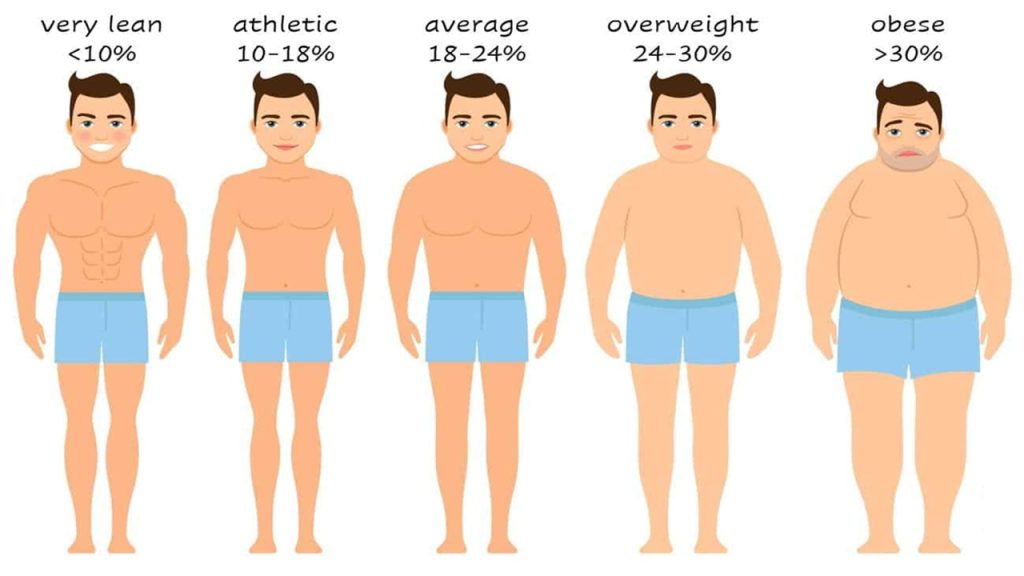
    FFMI stands for Fat Free Mass Index. It measures the amount of lean mass in your body relative to your height. Lean mass includes muscles, bones, organs, and water, everything except fat.

    The formula for FFMI is simple:

    FFMI = Lean Body Mass in kilograms divided by height in meters squared

    If you already know your body fat percentage, you can calculate lean body mass by subtracting fat weight from your total weight.

    For example, if someone weighs 70 kg and has 20 percent body fat, their lean body mass would be 56 kg. That value is then used to calculate FFMI.

    What makes FFMI valuable is that it focuses on muscle mass rather than total weight. This makes it especially useful for athletes, gym enthusiasts, and anyone working toward a lean and muscular body.

    Why FFMI is Better Than BMI

    BMI has been used for decades as a general health indicator, but it has clear limitations. It does not distinguish between fat and muscle, which often leads to misleading results.

    FFMI solves this problem by focusing only on lean mass. Two people with the same BMI can have very different FFMI scores, depending on how much muscle they carry.

    For example, a trained athlete and a sedentary person might both have a BMI of 25. However, the athlete will likely have a much higher FFMI due to greater muscle mass.

    This is why fitness professionals often rely on FFMI when assessing body composition.

    Good FFMI Score Chart for Men and Women

    To make things easier, here is a general FFMI chart that categorizes scores into different fitness levels. These ranges are based on widely accepted fitness standards.

    FFMI Chart for Men

    • Below 17: Low muscle mass
    • 17 to 19: Average
    • 19 to 21: Above average
    • 21 to 23: Athletic
    • 23 to 26: Very muscular
    • Above 26: Exceptional or potentially enhanced

    For most natural lifters, an FFMI of around 22 to 24 is considered very impressive.

    FFMI Chart for Women

    • Below 14: Low muscle mass
    • 14 to 16: Average
    • 16 to 18: Above average
    • 18 to 20: Athletic
    • 20 to 22: Very muscular
    • Above 22: Exceptional

    Women naturally have lower muscle mass than men, so their FFMI ranges are adjusted accordingly.

    What is Considered a Good FFMI Score

    A good FFMI score depends on your goals and experience level.

    For beginners, reaching the average or above average range is already a solid achievement. It indicates that you have built a healthy amount of lean mass.

    For regular gym goers, an FFMI in the athletic range is often the target. This reflects consistent training and proper nutrition over time.

    If you are aiming for a highly muscular physique, pushing into the very muscular category requires years of disciplined training. It is not something that happens quickly.

    It is also important to remember that genetics play a role. Some individuals naturally have a higher potential for muscle growth, while others may find it harder to reach the same FFMI levels.

    Natural FFMI Limit

    One of the most discussed topics around FFMI is the natural limit. Research and fitness experts often suggest that a natural FFMI rarely exceeds 25 for men.

    If someone has an FFMI significantly above this level, it may indicate the use of performance enhancing substances. However, this is not a strict rule, as outliers do exist.

    For women, the natural limit is generally considered to be around 20 to 22.

    Understanding these limits can help you set realistic expectations and avoid comparing yourself to unrealistic standards often seen on social media.

    How to Calculate Your FFMI

    To calculate your FFMI accurately, you need three key pieces of information:

    Your total body weight
    Your body fat percentage
    Your height

    Once you have these, follow these steps:

    First, calculate lean body mass by removing fat weight from your total weight
    Then divide lean body mass by your height squared

    There are also online FFMI Calculator that can do this instantly, saving you time and effort.

    How to Improve Your FFMI

    Improving your FFMI means increasing lean muscle mass while keeping body fat under control. This requires a combination of proper training, nutrition, and recovery.

    Strength Training

    Resistance training is essential for building muscle. Focus on compound movements like squats, deadlifts, bench press, and pull ups. These exercises engage multiple muscle groups and promote overall growth.

    Consistency matters more than intensity alone. Training regularly over months and years leads to steady improvements in FFMI.

    Protein Intake

    Protein is the building block of muscle. Aim for a balanced diet that includes sufficient protein from sources like eggs, chicken, fish, dairy, and plant based options.

    A common guideline is around 1.6 to 2.2 grams of protein per kilogram of body weight.

    Calorie Balance

    To build muscle, you need to be in a slight calorie surplus. However, excessive calorie intake can lead to fat gain, which does not improve your FFMI.

    Finding the right balance is key. A moderate surplus supports muscle growth without unnecessary fat accumulation.

    Sleep and Recovery

    Muscle growth happens during recovery, not during workouts. Getting enough sleep and allowing your body time to recover is crucial for improving FFMI.

    Poor recovery can limit your progress even if your training and diet are on point.

    Common Mistakes When Using FFMI

    While FFMI is a useful tool, it is not perfect. There are some common mistakes people make when interpreting their scores.

    One mistake is relying on inaccurate body fat measurements. Since FFMI depends on lean body mass, incorrect body fat estimates can lead to misleading results.

    Another mistake is comparing yourself too much with others. Everyone has different genetics, body types, and fitness goals.

    Finally, focusing only on FFMI can be limiting. It should be used alongside other metrics like strength, endurance, and overall health.

    FFMI vs Other Fitness Metrics

    FFMI is just one piece of the puzzle. It works best when combined with other measurements.

    Body fat percentage tells you how lean you are
    BMI gives a general health overview
    Strength levels indicate functional fitness

    Together, these metrics provide a more complete picture of your physical condition.

    Real Life Example of FFMI

    Imagine two individuals with the same height and weight. One has a higher body fat percentage, while the other has more muscle.

    Even though their BMI might be identical, the person with more muscle will have a higher FFMI. This clearly shows why FFMI is a better indicator of fitness.

    Final Thoughts

    FFMI is a powerful metric for understanding your body composition and tracking your progress. It goes beyond simple weight measurements and focuses on what truly matters for a strong and healthy physique, lean muscle mass.

    A good FFMI score varies depending on gender, experience, and goals. For most people, reaching the above average or athletic range is a realistic and rewarding target.

    Instead of chasing extreme numbers, focus on steady progress. Build muscle, stay consistent, and give your body the time it needs to adapt. Over time, your FFMI will reflect your efforts.
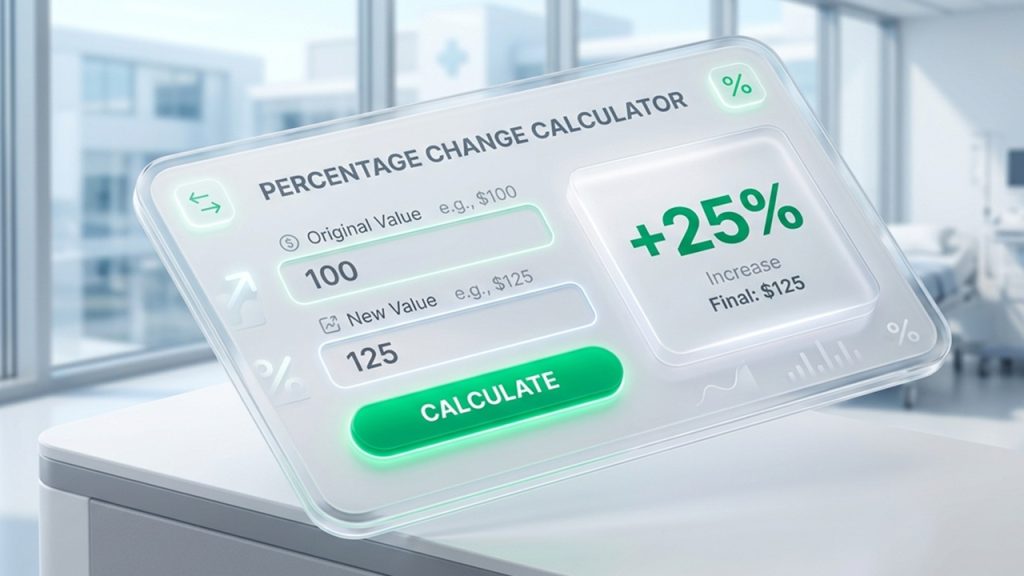
  • Percentage Change Calculator Guide for Smart Decisions

    Percentage Change Calculator Guide for Smart Decisions

    Making sense of numbers is a big part of everyday life. Whether you are tracking your savings, comparing prices, analyzing business growth, or even monitoring fitness progress, understanding percentage change can give you a clear edge. It is one of those simple concepts that quietly powers smarter decisions.

    A percentage change calculator takes the guesswork out of this process. Instead of manually calculating increases or decreases, you can quickly see how much something has changed in relative terms. This guide walks you through everything you need to know, from the basic formula to real life applications that actually matter.

    What is Percentage Change

    Percentage change measures how much a value has increased or decreased compared to its original value. It expresses the difference as a percentage, making it easier to compare changes across different numbers.

    For example, if your monthly income increases from 20000 to 25000, the change is not just 5000. The percentage change tells you how significant that increase is relative to where you started.

    This is why percentage change is more useful than just looking at raw numbers. It puts everything into context.

    Percentage Change Formula Explained

    At its core, the formula for percentage change is simple:

    Percentage Change = (New Value minus Old Value) divided by Old Value multiplied by 100

    Let’s break that down in plain language:

    You subtract the old value from the new value to find the difference. Then you divide that difference by the original value. Finally, you multiply by 100 to convert it into a percentage.

    Example

    Suppose a product price increases from 500 to 650.

    Difference = 650 minus 500 = 150
    Divide by original value = 150 divided by 500 = 0.3
    Multiply by 100 = 30 percent

    So, the price increased by 30 percent.

    Percentage Increase vs Decrease

    Not all changes are positive. Sometimes values go down, and that matters just as much.

    Percentage Increase

    When the new value is higher than the old value, the result is positive. This indicates growth or improvement.

    Example:
    Old value = 100
    New value = 120
    Percentage change = 20 percent increase

    Percentage Decrease

    When the new value is lower than the old value, the result is negative. This shows a decline.

    Example:
    Old value = 100
    New value = 80
    Percentage change = minus 20 percent, meaning a 20 percent decrease

    Understanding the direction of change is just as important as the magnitude.

    Why Use a Percentage Change Calculator

    You can calculate percentage change manually, but a calculator saves time and reduces errors. More importantly, it allows you to focus on interpreting the result instead of worrying about the math.

    Here are some situations where a calculator becomes especially useful:

    Financial Planning

    Tracking income growth, investment returns, or monthly expenses becomes much easier. Instead of guessing whether your savings are improving, you can measure the exact percentage change.

    Business Decisions

    If you run a business, percentage change helps you analyze sales performance, customer growth, and profit margins. A small change in numbers can reveal bigger trends when expressed as a percentage.

    Shopping and Discounts

    Ever wondered if a discount is actually worth it? Comparing percentage reductions helps you quickly decide whether a deal is good or just marketing.

    Fitness Tracking

    If you are working on weight loss or muscle gain, percentage change gives you a clearer picture of your progress over time.

    Real Life Examples That Make It Click

    Sometimes formulas feel abstract until you see how they apply in real situations.

    Salary Growth

    Imagine your salary increases from 30000 to 36000.

    Difference = 6000
    Percentage change = 6000 divided by 30000 multiplied by 100 = 20 percent

    That means your income grew by 20 percent, which is a strong increase.

    Stock Market Example

    You buy a stock at 100 and sell it at 115.

    Your profit is 15, but the percentage change is 15 percent. This helps you compare it with other investments more effectively.

    Price Drop

    A smartphone price drops from 20000 to 15000.

    Difference = minus 5000
    Percentage change = minus 25 percent

    This tells you the price has decreased by a quarter of its original value.

    Common Mistakes to Avoid

    Even though percentage change is simple, small mistakes can lead to wrong conclusions.

    Using the Wrong Base Value

    Always divide by the original value, not the new one. This is one of the most common errors.

    Ignoring Negative Signs

    A negative result indicates a decrease. Ignoring this can completely flip the meaning of your calculation.

    Confusing Percentage Change with percentage decrease calculator

    Percentage change compares a new value to an old one. Percentage difference compares two values without considering which one came first. They are not the same.

    Tips for Smarter Decision Making

    Understanding percentage change is useful, but using it wisely is what really makes a difference.

    Look Beyond the Numbers

    A high percentage increase might look impressive, but if the starting value was very small, the actual impact may be limited.

    Compare Similar Data

    Always compare percentage changes within similar categories. Comparing unrelated data can lead to misleading conclusions.

    Use It Consistently

    If you are tracking progress over time, stick to percentage change as your metric. This creates a consistent way to measure growth or decline.

    How a Percentage Change Calculator Works

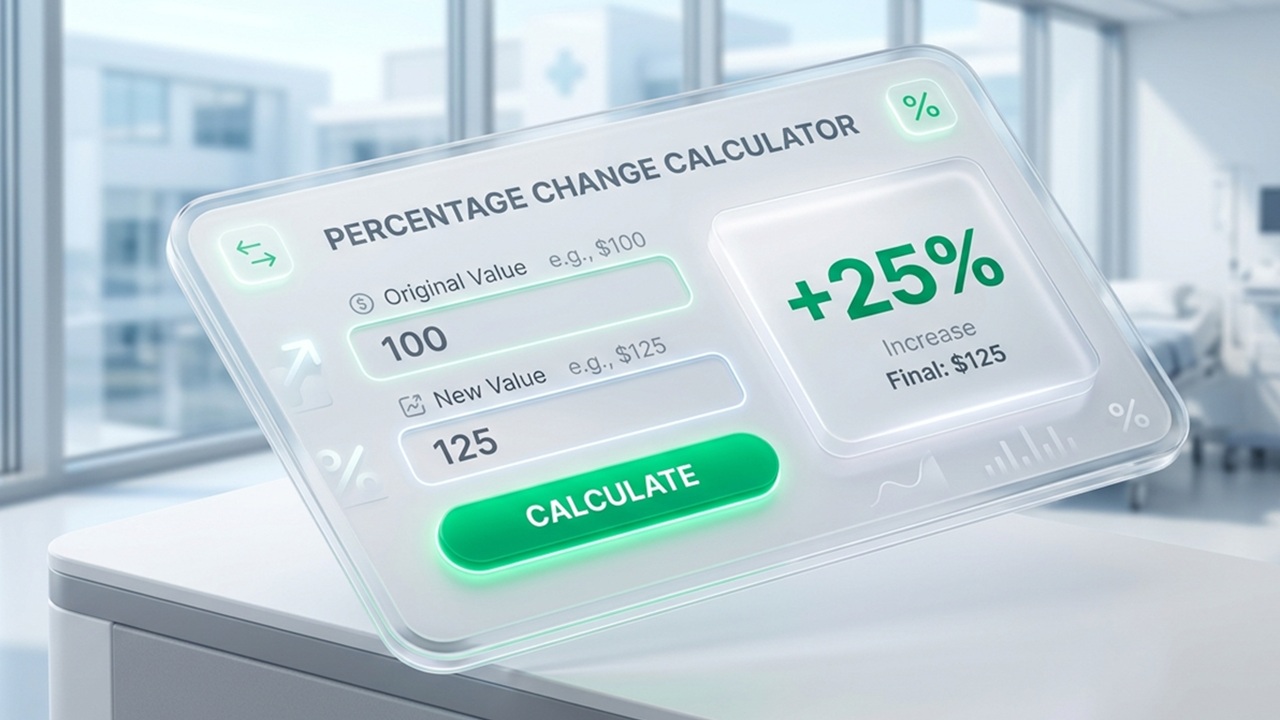
    Most online calculators are straightforward. You simply enter the original value and the new value, and the tool does the rest.

    Behind the scenes, it applies the same formula discussed earlier. The benefit is speed and accuracy, especially when you are dealing with multiple calculations.

    Some advanced calculators also show whether the result is an increase or decrease automatically, making it even easier to interpret.

    When Percentage Change Matters Most

    There are moments when understanding percentage change is not just helpful but essential.

    Budgeting

    Tracking monthly expenses in percentage terms helps you identify areas where spending is rising too quickly.

    Investments

    Investors rely heavily on percentage change to evaluate returns and risks. It helps compare different assets on a level playing field.

    Business Growth

    Entrepreneurs often measure success using percentage growth in revenue, customers, or profits.

    Academic and Data Analysis

    Students and professionals use percentage change to interpret data trends and draw meaningful conclusions.

    Final Thoughts

    A percentage difference calculator is more than just a tool. It is a simple way to bring clarity to numbers that might otherwise feel confusing or overwhelming.

    Once you understand how percentage change works, you start noticing it everywhere. From price tags to performance reports, it becomes a natural part of how you evaluate information.

    The real advantage is not just in calculating percentages but in using them to make better decisions. Whether you are managing money, running a business, or just trying to be more informed, this small concept can have a big impact.

    Take a few minutes to practice with real numbers from your daily life. The more you use it, the more intuitive it becomes. And over time, you will find yourself making decisions with greater confidence and clarity.

  • Weight Gain Calculator with Daily Calorie Plan

    Weight Gain Calculator with Daily Calorie Plan

    Gaining weight sounds simple on paper. Eat more, move less, and the scale should go up. But anyone who has actually tried to gain weight in a healthy way knows it is not that straightforward. You may eat more than usual and still see little change, or you may gain weight but not in the way you want.

    This is where a weight gain calculator with a daily calorie plan becomes useful. Instead of guessing what and how much to eat, you get a clear number and a structured approach. That means less frustration and better results over time.

    In this guide, you will learn how a weight gain calculator works, how to calculate your daily calorie needs, and how to follow a practical plan that fits into real life.

    What Is a Weight Gain Calculator

    Weight Gain Calculator

    A weight gain calculator is a simple tool that estimates how many calories your body needs each day and how many extra calories you should consume to gain weight.

    It takes into account factors such as:

    • Age
    • Gender
    • Height
    • Current weight
    • Activity level

    Based on these inputs, it calculates your maintenance calories, which is the number of calories you need to maintain your current weight. Then it adds a calorie surplus to help you gain weight steadily.

    Instead of random eating, you get a clear target to follow.

    Why You Need a Daily Calorie Plan

    Many people struggle with weight gain because they underestimate how much they need to eat. Others overeat without structure and end up gaining unwanted fat.

    A daily calorie plan helps you:

    • Stay consistent with your calorie intake
    • Avoid overeating or undereating
    • Build lean muscle instead of excess fat
    • Track progress more effectively

    Think of it as a roadmap. Without it, you are just guessing.

    How the Weight Gain Calculator Works

    The process is based on two main steps:

    Step 1: Calculate Maintenance Calories

    Your maintenance calories depend on your Basal Metabolic Rate and activity level.

    Basal Metabolic Rate is the number of calories your body burns at rest. When you add daily activities like walking, working, or exercising, you get your total daily energy expenditure.

    Step 2: Add a Calorie Surplus

    To gain weight, you need to eat more calories than your body burns.

    A typical surplus looks like this:

    • Mild weight gain: add 250 calories per day
    • Moderate weight gain: add 400 to 500 calories per day
    • Fast weight gain: add 700 or more calories per day

    A moderate surplus is usually the best option because it supports steady progress without excessive fat gain.

    Example Calculation

    Let us say your maintenance calories are 2000 per day.

    If you choose a moderate surplus, your daily calorie plan would look like:

    • Maintenance calories: 2000
    • Surplus: 500
    • Total daily calories: 2500

    Following this consistently should lead to gradual and sustainable weight gain.

    How Much Weight Can You Gain

    Weight gain depends on your calorie surplus and consistency.

    On average:

    • 250 calorie surplus may lead to around 0.25 kg gain per week
    • 500 calorie surplus may lead to around 0.5 kg gain per week

    Keep in mind that results vary based on metabolism, genetics, and activity level.

    Building Your Daily Calorie Plan

    Once you know your calorie target, the next step is turning it into real meals.

    A balanced weight gain plan includes:

    Protein

    Protein helps build muscle and repair tissues.

    Good sources include:

    • Eggs
    • Chicken
    • Fish
    • Milk
    • Paneer
    • Lentils

    Aim for a steady intake throughout the day.

    Carbohydrates

    Carbs provide energy and help you meet your calorie goals.

    Examples:

    • Rice
    • Bread
    • Oats
    • Potatoes
    • Fruits

    Healthy Fats

    Fats are calorie dense, making them perfect for weight gain.

    Include:

    • Nuts
    • Seeds
    • Peanut butter
    • Olive oil

    Sample Daily Meal Plan

    Here is a simple example of a daily calorie plan:

    Breakfast

    Oats with milk, banana, and peanut butter

    Mid Morning Snack

    Boiled eggs and a handful of nuts

    Lunch

    Rice, chicken or paneer, vegetables, and yogurt

    Evening Snack

    Smoothie with milk, banana, and peanut butter

    Dinner

    Chapati, dal, vegetables, and a protein source

    Before Bed

    A glass of milk or a light snack

    This is just a starting point. You can adjust it based on your preferences and calorie needs.

    Tips to Gain Weight Effectively

    Eat More Frequently

    Instead of three large meals, try five or six smaller meals throughout the day. This makes it easier to reach your calorie target.

    Choose Calorie Dense Foods

    Foods like nuts, seeds, and smoothies pack more calories in smaller portions.

    Do Strength Training

    Exercise, especially strength training, helps convert extra calories into muscle rather than fat.

    Track Your Progress

    Weigh yourself weekly and adjust your calorie intake if needed.

    Common Mistakes to Avoid

    Eating Junk Food Only

    While junk food can increase calories, it does not provide the nutrients your body needs.

    Skipping Meals

    Consistency is key. Missing meals can slow your progress.

    Expecting Instant Results

    Healthy weight gain takes time. Focus on steady progress instead of quick fixes.

    Who Should Use a Weight Gain Calculator

    This tool is helpful for:

    • People who are underweight
    • Individuals looking to build muscle
    • Athletes in bulking phases
    • Anyone recovering from weight loss

    It provides a structured way to achieve your goals without guesswork.

    Final Thoughts

    A weight gain calculator with a daily calorie plan removes the confusion from the process of gaining weight. Instead of guessing what to eat, you get a clear number and a practical plan.

    The key is consistency. Eat according to your calorie target, choose nutrient rich foods, and give your body time to respond. Over weeks and months, small daily efforts turn into noticeable results.

    If you approach weight gain with patience and structure, you will not just gain weight, you will build a healthier and stronger version of yourself.

  • Egg Implantation Guide Symptoms Timeline

    Egg Implantation Guide Symptoms Timeline

    Understanding egg implantation is one of the most important parts of early pregnancy, yet it often feels confusing and full of mixed information. If you are trying to conceive or simply curious about how pregnancy begins, knowing what happens during implantation can give you clarity and confidence.

    This guide breaks down the implantation process in a simple, human way. You will learn what implantation actually is, when it happens, what symptoms you might notice, and what is considered normal.

    What Is Egg Implantation

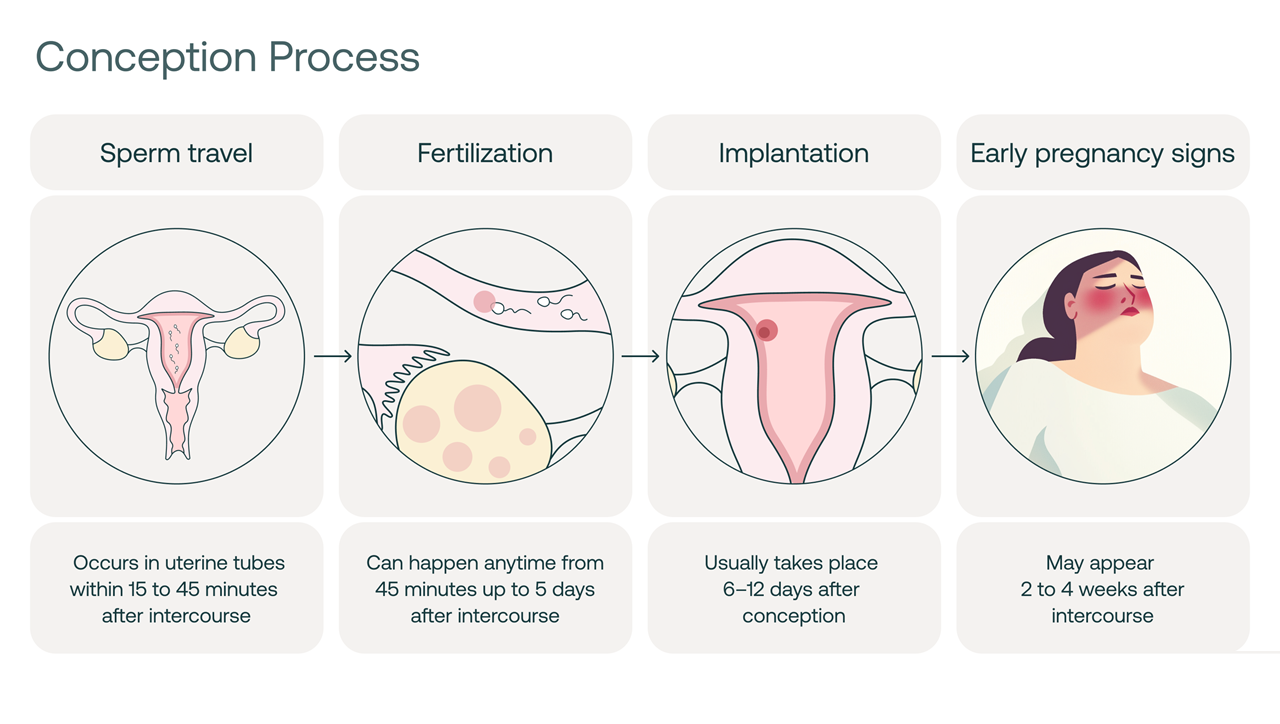
    Egg implantation is the moment when a fertilized egg attaches itself to the lining of the uterus. This is the stage where pregnancy officially begins.

    After ovulation, an egg is released from the ovary and travels through the fallopian tube. If sperm meets the egg during this journey, fertilization occurs. The fertilized egg, now called a zygote, continues to travel toward the uterus while dividing into multiple cells.

    By the time it reaches the uterus, it becomes a blastocyst. This tiny structure then attaches to the uterine wall, where it will grow into an embryo.

    Without implantation, pregnancy cannot continue. This is why implantation is such a critical step.

    Egg Implantation Timeline

    One of the most common questions is when implantation actually happens. While every body is slightly different, there is a general timeline that most pregnancies follow.

    Day 0: Ovulation

    The ovary releases an egg. This is the most fertile time.

    Day 1 to Day 2: Fertilization

    If sperm is present, fertilization usually happens within 24 hours after ovulation.

    Day 3 to Day 5: Cell Division

    The fertilized egg begins dividing as it travels through the fallopian tube.

    Day 6 to Day 7: Entry into the Uterus

    The blastocyst reaches the uterus and prepares for implantation.

    Day 7 to Day 10: Implantation Begins

    The embryo attaches to the uterine lining. This is the window when implantation symptoms may start.

    Day 11 to Day 14: Hormone Changes

    The body starts producing hCG, the pregnancy hormone. This is what pregnancy tests detect.

    This timeline can vary slightly. Some women experience implantation as early as day 6, while others may notice it closer to day 12.

    Common Implantation Symptoms

    Not everyone experiences noticeable symptoms during implantation. In fact, many women do not feel anything at all. However, some early signs can appear.

    Light Spotting or Implantation Bleeding

    This is one of the most talked about symptoms. It usually appears as light pink or brown spotting, not a heavy flow like a period.

    It typically lasts a few hours to a couple of days and is much lighter than a menstrual cycle.

    Mild Cramping

    Some women feel gentle cramps during implantation. These cramps are usually less intense than period cramps and may feel like a slight pulling or tingling sensation.

    Fatigue

    Your body begins to change hormonally, which can make you feel more tired than usual. This early fatigue can appear even before a missed period.

    Breast Tenderness

    Hormonal changes can make breasts feel sore, sensitive, or slightly swollen.

    Mood Changes

    You may notice emotional shifts. This happens due to rising hormone levels and is completely normal.

    Slight Increase in Body Temperature

    If you track your basal body temperature, you might notice it stays elevated after ovulation. This can be an early sign of implantation.

    Implantation Bleeding vs Period

    Many people confuse implantation bleeding with the start of a period. Understanding the difference can help avoid confusion.

    Implantation bleeding is lighter in color, often pink or brown, and does not increase in flow. A period usually starts light but becomes heavier over time and is bright red.

    The duration is also different. Implantation bleeding is short and mild, while a period lasts several days.

    If you are unsure, observing the pattern and timing can give you clues.

    When to Take a Pregnancy Test

    Timing matters when it comes to testing. Taking a test too early may give a false negative result.

    After implantation, the body needs time to produce enough hCG hormone. This usually takes a few days.

    For the most accurate result, it is better to wait until at least the first day of a missed period. Some sensitive tests may detect pregnancy Test Calculator a few days earlier, but waiting improves accuracy.

    Factors That Affect Implantation

    Not every fertilized egg successfully implants. Several factors can influence the process.

    Uterine Health

    A healthy uterine lining is necessary for implantation to occur.

    Hormonal Balance

    Hormones like progesterone play a key role in preparing the uterus.

    Timing

    The embryo must reach the uterus at the right stage for successful attachment.

    Lifestyle Factors

    Stress, smoking, alcohol, and poor nutrition can impact early pregnancy stages.

    Signs That Are Often Misunderstood

    It is easy to overanalyze every small change in your body when trying to conceive. Some symptoms are commonly mistaken for implantation.

    Bloating, headaches, and mild discomfort can happen due to hormonal changes even before implantation. These are not reliable signs on their own.

    Similarly, not having any symptoms does not mean implantation did not happen.

    What Happens After Implantation

    Once implantation is successful, the body begins producing hCG. This hormone supports the pregnancy and prevents menstruation.

    The placenta starts forming, and the embryo begins developing rapidly. Over the next few weeks, early pregnancy symptoms become more noticeable.

    At this stage, taking care of your health becomes even more important. A balanced diet, proper rest, and avoiding harmful substances can support early development.

    Tips for Supporting Healthy Implantation

    While implantation calculator is a natural process that cannot be controlled directly, certain habits can support your body.

    Focus on eating nutrient rich foods that include iron, folate, and healthy fats. Stay hydrated and maintain a healthy routine.

    Reducing stress can also help, even though it does not directly control implantation. Practices like light exercise, meditation, or simply getting enough sleep can make a difference.

    Avoid smoking and limit caffeine intake, as these can affect reproductive health.

    When to Consult a Doctor

    If you have been trying to conceive for several months without success, it may be helpful to speak with a healthcare provider.

    You should also seek medical advice if you experience heavy bleeding, severe pain, or unusual symptoms.

    Early guidance can help identify any underlying issues and improve your chances of a healthy pregnancy.

    Final Thoughts

    Egg implantation is a small but powerful step that marks the beginning of pregnancy. While the process happens quietly inside the body, understanding it can bring peace of mind.

    Some women notice subtle signs, while others feel nothing at all. Both experiences are completely normal.

    If you are trying to conceive, patience is key. Each cycle is different, and the body works in its own time. By understanding the implantation timeline and symptoms, you are better prepared to recognize the early stages of pregnancy without unnecessary stress.

  • Dynasty Trade Calculator Strategy Guide for Smart Trades

    Dynasty Trade Calculator Strategy Guide for Smart Trades

    If you have ever felt unsure about a trade in your dynasty fantasy football league, you are not alone. Dynasty formats are complex by nature. You are not just managing a team for this week or even this season. You are building a long term roster that needs to stay competitive year after year. That is where a dynasty trade calculator becomes one of the most useful tools in your arsenal.

    But here is the truth most people miss. A calculator alone will not make you a better manager. It is how you use it that makes the difference. This guide will walk you through how to use a dynasty trade calculator the right way, along with practical strategies that experienced players rely on to consistently win trades.

    What Is a Dynasty Trade Calculator

    A dynasty trade calculator is a tool that assigns values to players and draft picks based on various factors such as age, performance, potential, and situation. You enter the players or picks involved in a trade, and the calculator provides a value comparison.

    At first glance, it looks simple. Input players, get a result. But behind that simplicity is a model built on trends, rankings, and projections. It tries to answer one key question.

    Is this trade fair based on current market value

    The keyword here is market value. Not future outcome, not gut feeling, not hype. Just current perceived value across the fantasy community.

    Why Dynasty Leagues Need a Different Strategy

    In redraft leagues, you focus on short term performance. Dynasty leagues are completely different. You are balancing three timelines at once.

    The present where you want to win now
    The near future where players are developing
    The long term where rookies and draft picks come into play

    Because of this, trade decisions become much more complicated. A veteran wide receiver might give you strong points this season, but a young player could hold value for years.

    A dynasty trade calculator helps bring some structure to these decisions. It gives you a baseline so you are not relying only on instinct.

    How to Use a Dynasty Trade Calculator Effectively

    Most beginners make one mistake. They treat the calculator result as final. That is not how experienced managers use it.

    Instead, think of it as a starting point.

    Step One Add All Trade Pieces

    Include every player and pick involved in the trade. Do not leave out small assets. Even a late round pick can shift the balance.

    Step Two Analyze the Value Gap

    Look at the total value on each side. If one side is significantly higher, the trade is considered uneven.

    But do not stop here.

    Step Three Add Context

    Ask yourself questions that the calculator cannot answer.

    Is your team rebuilding or competing
    Does the other manager value youth more than veterans
    Are there injuries or role changes that are not fully reflected

    Step Four Adjust Based on Strategy

    Sometimes losing slight value in the calculator is worth it if it fits your team direction. Other times, you should demand more even if the calculator says the trade is fair.

    Core Strategy Tips for Winning Dynasty Trades

    Understand Your Team Direction

    Before you even open a calculator, you need clarity about your team.

    If you are competing for a title, you should prioritize players who produce now. Veterans with stable roles become more valuable to you.

    If you are rebuilding, your focus shifts to younger players, rookies, and draft picks.

    A calculator cannot tell you which direction to choose. That is your decision.

    Do Not Overvalue Big Names

    Many managers get attached to star players. A big name often carries emotional value that goes beyond actual performance.

    A dynasty trade calculator helps cut through that bias. It shows whether the name matches the numbers.

    Sometimes trading a well known player for multiple solid assets can strengthen your roster significantly.

    Pay Attention to Age Curves

    Age is one of the biggest factors in dynasty leagues.

    Running backs tend to decline earlier
    Wide receivers often have longer careers
    Quarterbacks can remain valuable for many years

    A good calculator factors this in, but you should understand it as well. A 28 year old running back might still be productive, but his long term value is dropping quickly.

    Use Draft Picks Wisely

    Draft picks are tricky. They represent future potential, not guaranteed production.

    A calculator assigns them value based on historical trends. Early picks are more valuable, but even then, outcomes vary.

    One smart strategy is to trade picks when their perceived value is high, especially before the rookie draft when hype is at its peak.

    Take Advantage of Market Trends

    Player value is not static. It changes based on performance, news, and public perception.

    After a big game, a player’s value might spike
    After an injury, it might drop
    During the offseason, rookies gain hype

    Using a dynasty trade calculator during these moments can help you identify buying or selling opportunities.

    Common Mistakes to Avoid

    Treating the Calculator as Absolute

    No tool can predict the future. The calculator reflects current consensus, not guaranteed outcomes.

    Use it as guidance, not as a final decision maker.

    Ignoring League Settings

    Not all leagues are the same. Scoring format, roster size, and starting requirements all impact player value.

    For example, quarterbacks are much more valuable in superflex leagues compared to standard formats.

    Make sure the calculator you use matches your league settings as closely as possible.

    Chasing Value Without Purpose

    Winning a trade on paper does not always help your team.

    If you are getting slightly more value but weakening your starting lineup, the trade might hurt your chances of winning.

    Always connect the trade back to your overall strategy.

    Holding Players Too Long

    It is easy to get attached to players you drafted or developed. But dynasty success often comes from knowing when to sell.

    A calculator can highlight when a player’s value is at its peak. That is often the best time to move them.

    Real Example of Using a Dynasty Trade Calculator

    Let us say you are offered this trade.

    You give
    A veteran wide receiver producing strong numbers

    You receive
    A young receiver with potential
    A future second round pick

    The calculator might show the incoming side has slightly higher value. But your decision should go deeper.

    If you are competing for a championship, losing immediate production could hurt your chances.

    If you are rebuilding, this trade aligns perfectly with your goals.

    The calculator gives you the numbers. You provide the context.

    Advanced Strategies for Experienced Players

    Tier Based Trading

    Instead of focusing on individual player values, group players into tiers.

    If you can trade one top tier player for multiple players in the next tier, you might improve your overall depth.

    Calculators can help confirm whether the value aligns with your strategy.

    Consolidation Trades

    Sometimes you want to move multiple mid level assets for one elite player.

    This is common for contenders who want to strengthen their starting lineup.

    A calculator helps ensure you are not overpaying too much in the process.

    Timing the Market

    Experienced managers rarely trade at random times.

    They look for moments when value is misaligned.

    Before the season starts when hype is high
    During injuries when value drops
    After breakout performances when attention increases

    Using a calculator during these windows can give you an edge.

    Choosing the Right Dynasty Trade Calculator

    Not all calculators are equal. Some are updated frequently, while others rely on outdated data.

    Look for tools that consider

    Recent player performance
    Age and career trajectory
    Draft pick value trends
    Different league formats

    It is also helpful to compare results from more than one calculator. If multiple tools show similar values, you can feel more confident in your decision.

    Human Side of Trading

    Here is something that calculators will never capture.

    People.

    Every league has its own dynamics. Some managers prefer young players. Others chase immediate points. Some overreact to news, while others stay patient.

    Understanding your league mates is just as important as understanding player values.

    A well timed message, a fair offer, and a bit of negotiation can turn an average trade into a great one.

    Sometimes the best trades happen not because the calculator says so, but because you understand what the other manager wants.

    Final Thoughts

    A dynasty trade calculator is one of the most powerful tools in fantasy football, but only if you use it correctly. It provides structure, removes bias, and helps you see the bigger picture.

    At the same time, it is not a shortcut to success. The best managers combine data with strategy, timing, and an understanding of their league.

    If you approach trades with a clear plan, use the calculator as a guide, and stay aware of market trends, you will consistently make smarter decisions.

    Over time, those small advantages add up. And that is what turns an average dynasty team into a championship contender.

  • Pregnancy Test and Due Date Calculator Guide

    Pregnancy Test and Due Date Calculator Guide

    Understanding pregnancy often begins with two important steps: confirming it and estimating when the baby will arrive. While both may seem simple at first glance, there is more behind a pregnancy test and due date calculation than most people realize. From hormone levels to cycle timing, small details can affect accuracy. This guide walks you through everything in a clear and practical way so you can feel more confident during this stage.

    How Pregnancy Tests Work

    A pregnancy test detects a hormone called human chorionic gonadotropin. This hormone starts developing shortly after a fertilized egg attaches to the uterus lining. It is commonly known as hCG.

    Home pregnancy tests check for this hormone in urine. Blood tests done in clinics can also measure it and are often more sensitive.

    When hCG Appears

    After ovulation, if fertilization occurs, the embryo attaches to the uterus within about 6 to 10 days. Once implantation happens, hCG begins to rise. However, it does not rise instantly to detectable levels.

    Most home tests work best if taken after a missed period. Testing too early can result in a false negative because hCG may still be too low.

    Types of Pregnancy Tests

    There are two main types:

    Urine tests
    These are widely available and easy to use at home. Some claim early detection, but results are more reliable after a missed period.

    Blood tests
    These are done in medical settings and can detect pregnancy earlier than urine tests. They can also measure exact hCG levels.

    When to Take a Pregnancy Test

    Timing plays a major role in accuracy. Many people feel anxious and test too early, which often leads to confusion.

    The best time to take a test is:

    After your missed period
    Using first morning urine for higher hormone concentration
    At least 10 to 14 days after ovulation if you track cycles

    If you test early and get a negative result but still suspect pregnancy, it is better to wait a few days and test again.

    Understanding Test Results

    Pregnancy tests usually show results as lines, symbols, or digital words.

    Positive result
    A positive result means hCG has been detected. Even a faint line often indicates pregnancy.

    Negative result
    A negative result means hCG was not detected. However, early testing can lead to false negatives.

    Invalid result
    Sometimes a test may not work properly. This can happen due to incorrect usage or a faulty kit.

    Common Mistakes to Avoid

    Many people unknowingly reduce the accuracy of pregnancy tests. Some common mistakes include:

    Testing too early
    Drinking excessive water before testing
    Not following instructions carefully
    Reading results outside the recommended time

    Paying attention to these details can make a big difference.

    Early Signs of Pregnancy

    While a test confirms pregnancy, your body may show signs even before testing.

    Missed period
    Mild cramping
    Breast tenderness
    Fatigue
    Frequent urination
    Nausea

    Not everyone experiences the same symptoms. Some may notice changes early, while others may not feel anything unusual.

    What Is a Due Date Calculator

    Once pregnancy is confirmed, the next question is usually about the expected delivery date. A due date calculator helps estimate when the baby might arrive.

    Doctors often use the first day of the last menstrual period to calculate the due date. This method assumes a regular 28 day cycle.

    How Due Date Is Calculated

    The most common method is known as Naegele’s rule. It works like this:

    Take the first day of your last period
    Add one year
    Subtract three months
    Add seven days

    For example, if your last period started on January 1, your estimated due date would be around October 8.

    Alternative Methods

    If you track ovulation or know the exact conception date, the calculation may be more precise.

    Ovulation based calculation
    Add 38 weeks to the ovulation date

    Ultrasound method
    Early ultrasounds measure the size of the embryo to estimate gestational age

    Why Due Dates Are Estimates

    A due date is not an exact prediction. It is an estimate based on averages. Only a small percentage of babies are born exactly on their due date.

    Factors that affect delivery timing include:

    Length of menstrual cycle
    First pregnancy versus later pregnancies
    Health conditions
    Genetic factors

    Most babies are born within a window of two weeks before or after the due date.

    Using a Pregnancy Due Date Calculator Tool

    Online calculators simplify the process. You only need to enter one of the following:

    First day of last period
    Conception date
    IVF transfer date

    The tool then calculates your estimated due date and pregnancy timeline.

    Benefits of Using a Calculator

    Quick and easy estimation
    Helpful for planning doctor visits
    Provides weekly pregnancy milestones
    Useful for tracking development

    However, it should not replace medical advice. Always confirm details with a healthcare provider.

    Understanding Pregnancy Timeline

    Pregnancy is divided into three trimesters.

    First trimester
    Weeks 1 to 12
    This is when major organs begin forming. Many people experience nausea and fatigue.

    Second trimester
    Weeks 13 to 26
    Energy levels often improve. The baby’s movements may become noticeable.

    Third trimester
    Weeks 27 to birth
    The baby grows rapidly. Physical discomfort may increase as delivery approaches.

    Knowing your due date helps you understand where you are in this timeline.

    Combining Pregnancy Tests and Due Date Calculations

    These two tools work together. First, a pregnancy test confirms the condition. Then, a due date calculator helps map out the journey ahead.

    For example:

    You take a pregnancy test after a missed period
    It shows positive
    You enter your last period date into a calculator
    You get an estimated due date and pregnancy week

    This simple process provides clarity and direction during early pregnancy.

    When to See a Doctor

    While home tools are helpful, medical confirmation is essential.

    You should consult a doctor if:

    You get a positive pregnancy test
    You have irregular cycles and are unsure about dates
    You experience unusual symptoms such as severe pain or bleeding

    Doctors may perform blood tests or ultrasounds to confirm pregnancy and refine the due date.

    Tips for Accurate Tracking

    Keep a record of your menstrual cycle
    Track ovulation if possible
    Use reliable pregnancy test brands
    Avoid testing too early
    Follow instructions carefully

    These small steps can improve both test accuracy and due date estimation.

    Emotional Side of Early Pregnancy

    Beyond numbers and calculations, early pregnancy is also an emotional experience. Some people feel excitement, while others feel uncertainty or even stress.

    Waiting for test results or calculating a due date can feel overwhelming. It helps to take things one step at a time and focus on reliable information.

    Talking to a partner, friend, or healthcare provider can make the process feel less isolating.

    Common Questions People Ask

    Can a pregnancy test be wrong
    Yes, especially if taken too early or incorrectly

    How accurate are due date calculators
    They provide estimates, not exact dates

    What if I do not remember my last period
    An ultrasound can help determine gestational age

    Can stress affect test results
    Stress does not directly affect hCG, but it can affect cycle timing

    Final Thoughts

    A pregnancy Test Calculator and due date calculator are simple tools, but they play an important role in the early stages of pregnancy. One gives you confirmation, and the other helps you prepare for what lies ahead.

    Accuracy depends on timing, correct usage, and understanding your own body. While online tools make things easier, they are only a starting point. Medical guidance remains essential for a healthy pregnancy journey.

    Taking a thoughtful and informed approach can help you move forward with confidence and clarity.

  • Lottery Calculator After Taxes Accurate Winnings Estimator

    Lottery Calculator After Taxes Accurate Winnings Estimator

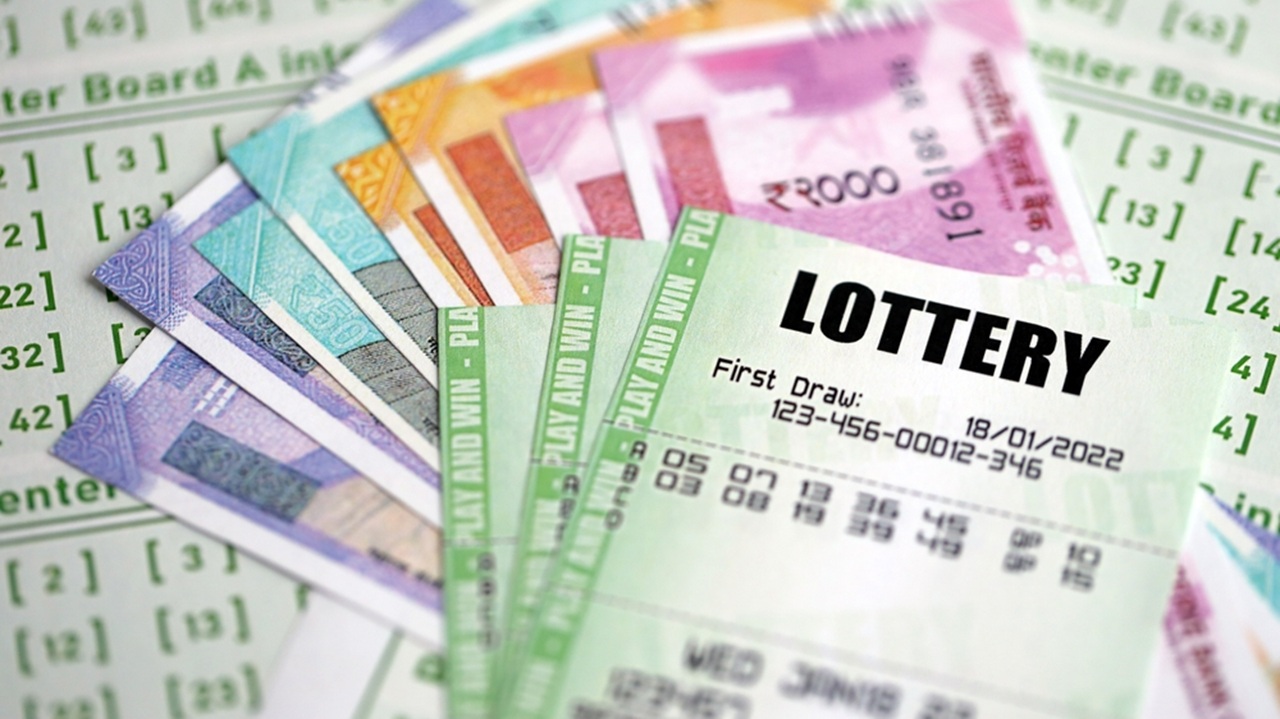
    Winning the lottery sounds simple on paper. You see a headline number, often in millions or even billions, and imagine that full amount landing in your bank account. In reality, the amount you take home is very different. Taxes, payout options, and even your location can significantly reduce your final winnings.

    This is where a lottery calculator becomes essential. Instead of guessing or relying on rough estimates, a calculator gives you a clearer picture of what you will actually receive after deductions. It turns a dream figure into something real and understandable.

    Why the Advertised Jackpot Is Misleading

    Most lotteries promote a large jackpot figure that represents the annuity value. This means the prize is paid out over many years, often 20 to 30. While the number looks impressive, it is not the amount you receive upfront.

    If you choose the lump sum option, which many winners do, the payout is reduced immediately. This reduced amount is known as the cash value. It is typically much lower than the advertised jackpot, sometimes by 30 to 50 percent depending on interest rates and lottery rules.

    After this reduction, taxes are applied, further lowering your take home amount.

    Understanding Lottery Taxes

    Lottery winnings are treated as income in many countries. This means they are subject to taxation just like salary or business income. The exact tax rate depends on your country, state, or region.

    In general, there are two types of taxes applied:

    Federal or National Tax

    In countries like the United States, lottery winnings are subject to federal tax. A portion is often withheld immediately when you claim your prize, but this may not cover your full tax liability. Depending on your total income, you may owe more when filing your return.

    State or Local Tax

    Some states or regions also impose their own taxes on lottery winnings. These vary widely. Some places have no additional tax, while others can take a significant percentage.

    A good lottery calculator includes both federal and state taxes to give a realistic estimate.

    Lump Sum vs Annuity Payout

    One of the most important decisions a winner makes is choosing between a lump sum and an annuity. Each option affects how much you receive after taxes.

    Lump Sum

    A lump sum gives you immediate access to your winnings. However, the total amount is reduced upfront. Taxes are also applied in the year you receive the money, which often places you in the highest tax bracket.

    This option is popular because it provides flexibility. You can invest, spend, or manage your money as you wish.

    Annuity

    An annuity spreads payments over several years. While the total amount is closer to the advertised jackpot, you receive smaller payments annually.

    This can reduce your yearly tax burden since the income is spread out. It may also help with long term financial discipline, especially for those who prefer steady income rather than a large one time payment.

    How a Lottery Calculator Works

    A lottery calculator takes several inputs to estimate your final winnings:

    • Jackpot amount
    • Cash option percentage
    • Federal tax rate
    • State or local tax rate
    • Payout choice, lump sum or annuity

    Using these inputs, it calculates:

    • Pre tax cash value
    • Total tax deductions
    • Final take home amount

    Some advanced calculators also factor in inflation for annuity payments and allow you to compare scenarios side by side.

    Real Example of Lottery Winnings

    Imagine a jackpot of 100 million.

    If the cash value is 60 percent, the lump sum becomes 60 million. After applying a combined tax rate of 35 percent, your final amount could be around 39 million.

    Now compare this to the annuity option. You may receive close to the full 100 million over 30 years, but each yearly payment is taxed separately. Depending on your tax situation, your total after tax amount might be similar or slightly higher, but spread over decades.

    This example shows why relying on the advertised number alone can be misleading.

    Benefits of Using a Lottery Calculator

    A lottery calculator is not just for curiosity. It helps in making informed decisions.

    Financial Planning

    Knowing your real winnings allows you to plan investments, savings, and expenses more effectively. You can set realistic goals instead of overestimating your wealth.

    Comparing Payout Options

    Instead of guessing which option is better, you can compare lump sum and annuity payouts side by side. This helps you choose based on your financial priorities.

    Tax Awareness

    Many winners are surprised by how much taxes reduce their prize. A calculator prepares you in advance and helps avoid unexpected financial stress.

    Avoiding Costly Mistakes

    Without proper planning, large winnings can be mismanaged quickly. Understanding your net amount is the first step toward protecting your wealth.

    Factors That Affect Your Final Winnings

    Several variables influence how much money you actually receive:

    Location

    Tax laws differ by country and region. Some areas have no lottery tax, while others impose high rates.

    Total Income

    If your winnings push you into a higher tax bracket, you may pay more in taxes than expected.

    Payment Choice

    Lump sum and annuity options have different tax implications and long term outcomes.

    Financial Decisions

    How you invest or spend your winnings can also impact your overall financial situation.

    Common Mistakes Lottery Winners Make

    Even with access to calculators, some people make avoidable mistakes.

    One common mistake is focusing only on the headline jackpot. This leads to unrealistic expectations and poor financial planning.

    Another mistake is ignoring tax obligations. Some winners spend money quickly without setting aside enough for taxes, leading to financial trouble later.

    Choosing a payout option without proper analysis is also risky. What works for one person may not be ideal for another.

    Tips for Managing Lottery Winnings Wisely

    If you ever find yourself holding a winning ticket, a thoughtful approach can make a huge difference.

    Take time before making any decisions. Do not rush into claiming or spending your prize.

    Consult financial and tax professionals. They can guide you based on your specific situation.

    Use a reliable lottery calculator to understand your net amount and plan accordingly.

    Consider long term goals instead of short term spending. A well managed prize can provide financial security for years.

    The Role of Technology in Lottery Planning

    Modern tools have made it easier than ever to understand complex financial scenarios. A lottery calculator simplifies calculations that would otherwise require detailed knowledge of tax systems and payout structures.

    Many online tools are user friendly and provide instant results. They allow you to adjust variables and explore different outcomes, helping you make smarter decisions.

    Final Thoughts

    Winning the lottery is exciting, but understanding your real winnings is just as important as the win itself. The difference between the advertised jackpot and your final take home amount can be significant.

    A lottery tax calculator bridges this gap by providing clarity and realistic expectations. It helps you see beyond the headline number and make informed financial choices.

    Whether you are playing for fun or seriously hoping for a win, knowing how to estimate your after tax winnings puts you in a better position. It turns a moment of luck into an opportunity for long term financial stability.

  • Credit Card APR Explained with Interest Calculator

    Credit Card APR Explained with Interest Calculator

    If you’ve ever looked at your credit card statement and wondered why the balance seems to grow faster than expected, you’re not alone. The main reason behind this is something called APR. While it might sound technical, understanding APR can save you a surprising amount of money over time.

    This guide breaks it down in a simple, practical way so you can not only understand how APR works but also calculate your own interest without needing complex tools.

    What Is Credit Card APR

    APR stands for Annual Percentage Rate. It represents the yearly cost of borrowing money on your credit card. In simple terms, it tells you how much interest you will pay if you carry a balance.

    But here’s where many people get confused. APR is expressed annually, yet credit card interest is usually calculated daily. That’s why even a small balance can grow quickly if it isn’t paid off.

    For example, if your card has a 24 percent APR, it doesn’t mean you’ll be charged 24 percent instantly. Instead, the issuer divides that rate into a daily charge and applies it to your balance every day.

    How APR Actually Works

    To understand APR in a practical way, you need to look at the daily periodic rate. This is the real engine behind how interest builds up.

    The formula is simple:

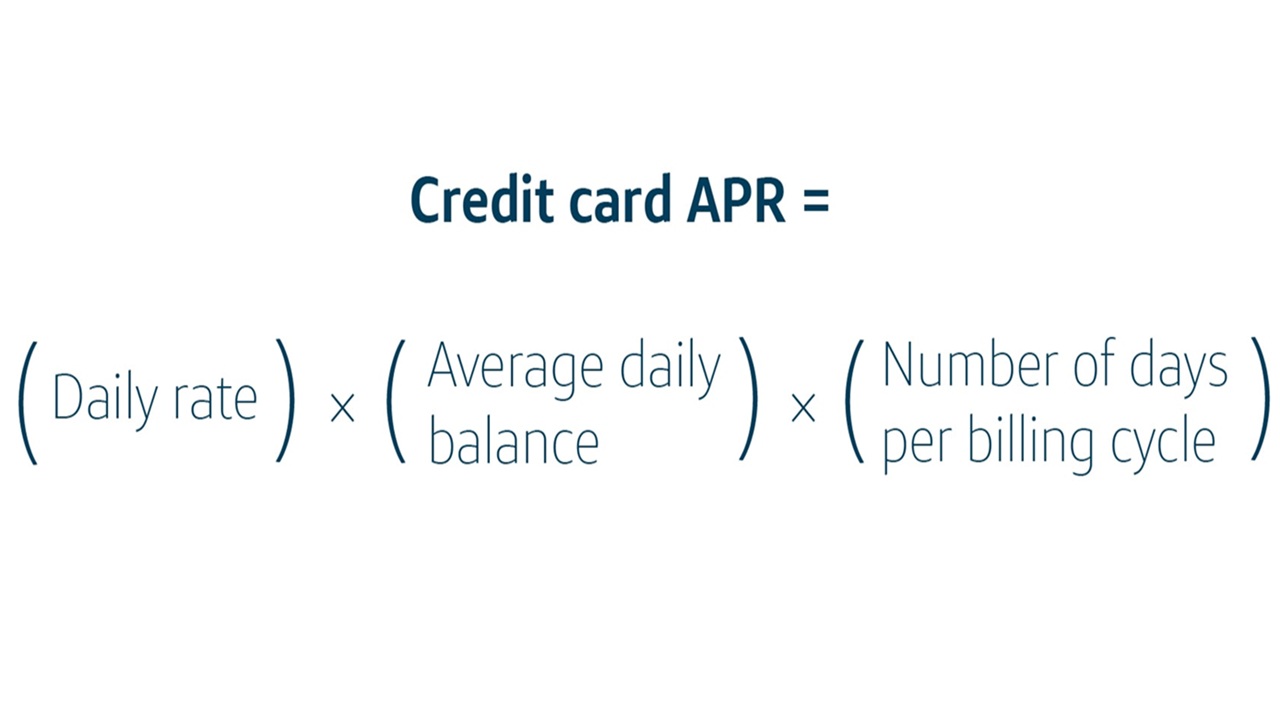
    Daily Rate = APR ÷ 365

    So if your APR is 24 percent:

    24 ÷ 365 = 0.0657 percent per day

    That number may look small, but it adds up quickly when applied daily to your balance.

    Each day, the bank calculates interest based on your current balance. The next day, interest is calculated again, including the previous day’s interest. This process is known as compounding.

    Types of Credit Card APR

    Not all APRs are the same. Depending on how you use your card, different rates may apply.

    Purchase APR
    This is the most common type. It applies to everyday spending like shopping or paying bills.

    Cash Advance APR
    Usually higher than purchase APR. It applies when you withdraw cash using your credit card.

    Balance Transfer APR
    This applies when you move debt from one card to another. Some cards offer a lower promotional rate for a limited time.

    Penalty APR
    If you miss payments, your issuer may apply a much higher APR. This can significantly increase your debt.

    Understanding which APR applies to your transactions helps you avoid unexpected charges.

    Grace Period and Why It Matters

    A grace period is the time between your billing cycle end and your payment due date. If you pay your full balance within this period, you typically won’t be charged any interest.

    This is one of the easiest ways to avoid APR completely.

    However, once you carry a balance beyond the grace period, interest starts accumulating daily. From that point, even new purchases may begin to accrue interest immediately.

    Credit Card Interest Calculator Explained

    You don’t always need an online tool to estimate your credit card interest. You can calculate it yourself with a simple method.

    Here’s a step by step example:

    Let’s say:
    Your balance is 10,000
    APR is 24 percent

    Step 1: Find daily rate
    24 ÷ 365 = 0.0657 percent

    Step 2: Convert to decimal
    0.0657 ÷ 100 = 0.000657

    Step 3: Calculate daily interest
    10,000 × 0.000657 = 6.57 per day

    Step 4: Monthly estimate
    6.57 × 30 ≈ 197.1

    So, carrying a balance of 10,000 could cost you around 197 in interest per month.

    This simple calculation gives you a realistic picture of how costly it can be to leave balances unpaid.

    Why Minimum Payments Cost More

    Credit Card Interest Calculator usually require a minimum payment each month. While it may seem manageable, paying only the minimum can stretch your debt over years.

    Here’s why:

    A large portion of your minimum payment goes toward interest, not the principal. That means your balance reduces very slowly.

    Over time, you could end up paying double or even triple the original amount you spent.

    This is why understanding APR is not just about knowledge. It directly affects how much money you keep in your pocket.

    APR vs Interest Rate

    Many people use these terms interchangeably, but there is a slight difference.

    Interest rate refers to the cost of borrowing the principal amount.

    APR includes the interest rate plus any additional fees associated with the credit card.

    For most credit cards, the APR and interest rate are quite similar, but APR gives a more complete picture of the actual cost.

    How to Lower Your Credit Card Interest

    If you’re dealing with a high APR, there are practical ways to reduce its impact.

    Pay your full balance whenever possible
    This eliminates interest entirely during the grace period.

    Make more than the minimum payment
    Even small extra payments can reduce your principal faster.

    Look for lower APR cards
    Balance transfer cards with promotional rates can help manage debt.

    Improve your credit score
    A better score can qualify you for lower APR offers in the future.

    Avoid cash advances
    These usually come with higher APR and no grace period.

    Real Life Example That Makes It Clear

    Imagine two people using the same credit card.

    Person A pays the full balance every month.
    Person B carries a balance of 10,000 at 24 percent APR.

    After one year, Person A pays zero interest.
    Person B could end up paying over 2,000 in interest alone.

    The difference isn’t income or spending habits. It’s how they manage APR.

    Common Mistakes to Avoid

    Ignoring APR while choosing a credit card
    Low rewards don’t matter if the APR is too high.

    Missing payment due dates
    This can trigger penalty APR and late fees.

    Assuming interest is calculated monthly
    It’s calculated daily, which makes a big difference.

    Relying only on minimum payments
    This increases long term debt significantly.

    Final Thoughts

    Credit Card Apr Calculator might seem like just another number on your statement, but it has a real impact on your finances. Once you understand how it works and how to calculate it, you gain control over your spending and debt.

    The key takeaway is simple. If you can, pay your balance in full each month. If not, use the interest calculation method to stay aware of what you’re being charged.

    That awareness alone can change the way you use credit cards and help you avoid unnecessary costs in the future.

    Understanding APR isn’t about being a finance expert. It’s about making smarter decisions with the money you already have.

  • Nutrition Calculator Guide for Calories and Macros

    Nutrition Calculator Guide for Calories and Macros

    Understanding what you eat is no longer limited to counting calories in your head or guessing portion sizes. With the rise of smart tools and personalized health tracking, a nutrition calculator has become one of the most practical ways to manage your daily intake of calories and macros. Whether your goal is to lose weight, build muscle, or simply maintain a healthy lifestyle, knowing how to use these tools properly can make a real difference.

    This guide walks you through everything you need to know about nutrition calculators, how they work, and how you can use them effectively in your daily routine without feeling overwhelmed.

    What is a Nutrition Calculator

    Nutrition Calculator

    A nutrition calculator is an online or app based tool that helps you determine how many calories and macronutrients your body needs each day. It uses inputs like your age, gender, weight, height, and activity level to estimate your daily energy requirements.

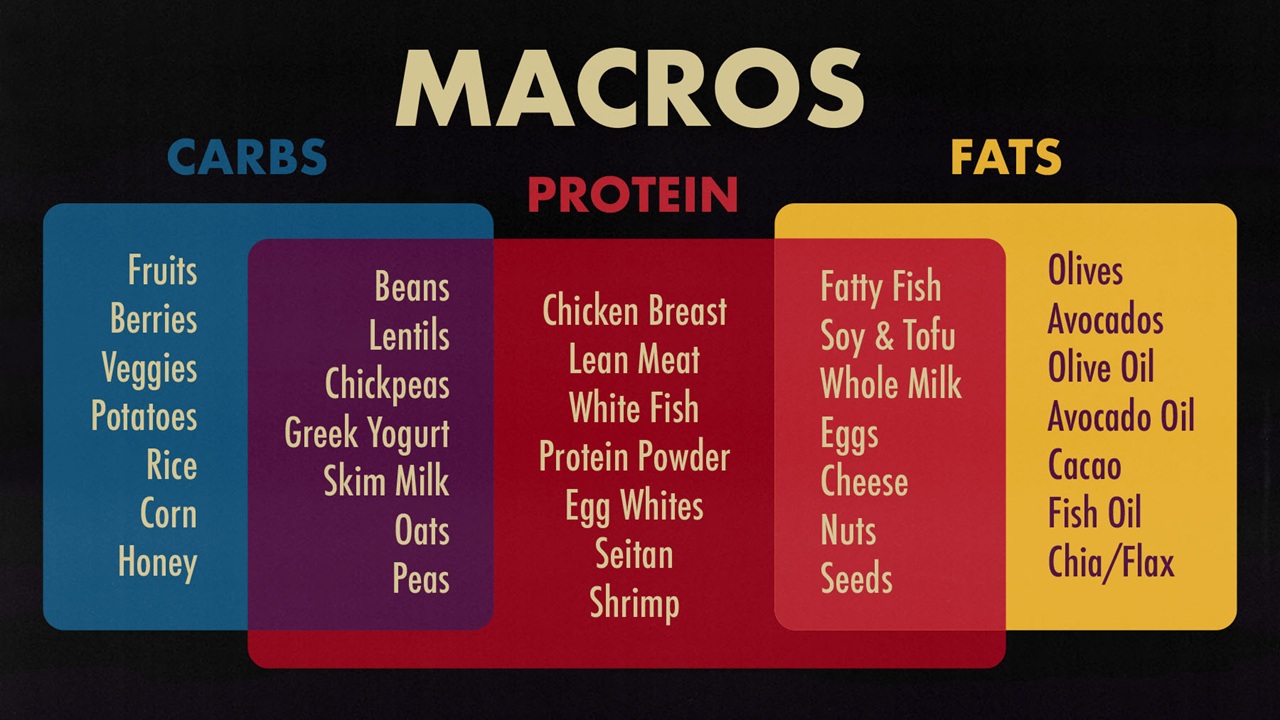
    Beyond calories, it also breaks down your intake into macronutrients, which include protein, carbohydrates, and fats. These are essential for fueling your body, supporting muscle growth, and maintaining overall health.

    Many people start using a calorie calculator, but quickly realize that focusing only on calories is not enough. Two diets with the same calories can have completely different effects depending on how macros are distributed.

    Why Calories and Macros Matter

    Calories represent the total energy your body receives from food. If you consume more calories than you burn, you gain weight. If you consume fewer, you lose weight. This is the foundation of most diet plans.

    However, macros determine how those calories are used in your body.

    Protein supports muscle repair and growth. It also helps you feel full for longer, which is useful if you are trying to reduce calorie intake.

    Carbohydrates are your body’s primary energy source. They fuel workouts, daily activities, and even brain function.

    Fats are essential for hormone production and nutrient absorption. Despite common myths, healthy fats are necessary for a balanced diet.

    A good nutrition calculator ensures that your macro balance aligns with your personal goals, not just your calorie target.

    How a Nutrition Calculator Works

    Most calculators rely on established formulas such as the Basal Metabolic Rate and Total Daily Energy Expenditure.

    Basal Metabolic Rate estimates how many calories your body needs at rest. It accounts for basic functions like breathing and circulation.

    Total Daily Energy Expenditure includes your daily activities and exercise. This gives a more realistic picture of how many calories you actually burn.

    Once your total calorie needs are calculated, the tool divides them into macros based on your goals.

    For example, someone aiming to build muscle may have a higher protein intake, while someone focused on endurance might prioritize carbohydrates.

    Steps to Use a Nutrition Calculator Effectively

    Using a nutrition calculator is simple, but getting accurate results depends on how honestly and carefully you input your data.

    Start by entering your correct details such as age, weight, height, and gender. Even small inaccuracies can affect your results.

    Choose your activity level carefully. Many people overestimate how active they are, which leads to higher calorie recommendations than needed.

    Set your goal clearly. Whether it is weight loss, muscle gain, or maintenance, your target will influence both calories and macros.

    Review the suggested breakdown. Most tools provide a percentage split for protein, carbs, and fats.

    Track your intake daily. A calculator is only useful if you actually follow and monitor your diet.

    Adjust as needed. Your body changes over time, so your calorie and macro needs may also change.

    Common Mistakes People Make

    One of the biggest mistakes is relying entirely on the calculator without observing real world results. These tools provide estimates, not exact numbers.

    Another common issue is ignoring macros and focusing only on calories. This can lead to poor nutrition, low energy levels, and unsustainable diets.

    Some users also fail to update their data as they progress. If you lose weight or increase your activity level, your needs will change.

    Lastly, consistency is often overlooked. Using a nutrition calculator for a few days will not bring results. It requires regular tracking and small adjustments over time.

    Benefits of Using a Nutrition Calculator

    A Nutrition Calculator simplifies decision making. Instead of guessing what to eat, you have a clear target to follow.

    It helps you stay accountable. Seeing your daily intake in numbers makes it easier to identify patterns and improve habits.

    It supports different goals. Whether you want to lose fat, gain muscle, or maintain your current weight, a calculator adapts to your needs.

    It also saves time. Once you understand your numbers, meal planning becomes much easier and more efficient.

    Real Life Example

    Imagine someone trying to lose weight without a clear plan. They may eat less one day and more the next, leading to inconsistent results.

    Now compare that to someone using a nutrition calculator. They know exactly how many calories to consume and how to balance their macros. Over time, this consistency leads to steady progress.

    The difference is not just in the tool itself, but in how it creates structure and awareness.

    Tips to Get Better Results

    Focus on whole foods rather than processed options. Even if the calorie count matches, nutrient quality matters.

    Do not aim for perfection. Hitting your exact macro targets every day is unrealistic. Staying close is good enough.

    Stay hydrated and get enough sleep. These factors affect metabolism and overall health.

    Combine your nutrition plan with regular physical activity. Diet and exercise work best together.

    Listen to your body. If you feel constantly tired or hungry, your plan may need adjustment.

    Who Should Use a Nutrition Calculator

    A nutrition calculator is useful for beginners who want a clear starting point. It removes confusion and provides direction.

    It is also valuable for fitness enthusiasts who want to fine tune their diet for better performance.

    Even people with busy schedules can benefit, as it simplifies meal planning and reduces guesswork.

    However, those with specific medical conditions should consult a professional before making significant dietary changes.

    Final Thoughts

    A nutrition calculator is more than just a digital tool. It is a practical guide that helps you understand your body and make smarter food choices.

    The key is not just using it once, but making it part of your daily routine. Over time, you will develop a better sense of portion sizes, nutrient balance, and what works best for your body.

    Instead of following random diet trends, you will have a personalized plan based on real data. That alone can make your health journey more consistent and sustainable.

    If you approach it with patience and consistency, a nutrition calculator can become one of the most valuable tools in your fitness and wellness journey.

  • Free Resource Download Guide and Usage Tips

    Free Resource Download Guide and Usage Tips

    Finding high quality free resources online feels like discovering hidden treasure. Whether you are a student looking for study materials, a designer searching for templates, or a business owner trying to save costs, free downloads can make a real difference. But here is the truth most people overlook. Not every free resource is worth your time, and not every download is safe.

    This guide walks you through everything you need to know about downloading free resources and actually using them in a smart and practical way. No complicated jargon. Just clear steps, real advice, and a human approach that helps you avoid mistakes many people make.

    What Are Free Resources and Why They Matter

    Free resources are digital assets that you can download and use without paying money. These can include ebooks, templates, software tools, images, fonts, spreadsheets, and even complete courses.

    The biggest advantage is obvious. You save money. But there is more to it than that. Free resources also allow you to test tools before investing, learn new skills without risk, and speed up your workflow.

    For example, a beginner blogger might use free keyword research tools and templates to build their first website. A graphic designer might download free mockups to present work professionally. Over time, these small advantages add up.

    However, quality matters. A poorly made resource can waste hours of your time. That is why knowing how to choose and use them properly is essential.

    Where to Find Reliable Free Resources

    The internet is full of websites offering free downloads, but not all of them are trustworthy. Some platforms are known for providing high quality and safe resources.

    Start with well known platforms. Educational websites, official software providers, and popular marketplaces often offer free sections. These sources usually review content before publishing it.

    Another good approach is to look for creators with a strong reputation. Many professionals share free templates or tools to build trust with their audience. Blogs, YouTube channels, and newsletters are great places to find such resources.

    Avoid random websites with too many ads or unclear download buttons. If a page looks confusing or forces you to click multiple times just to download a file, it is better to leave.

    How to Download Free Resources Safely

    Downloading files from the internet always comes with some level of risk. But with a few simple habits, you can protect your device and your data.

    First, always check the source. If the website looks unprofessional or lacks basic information like contact details, it is a red flag.

    Second, scan files before opening them. Most antivirus programs can do this automatically. It takes just a few seconds and can prevent serious problems.

    Third, avoid clicking on fake download buttons. Many websites place ads that look like download links. The real button is usually smaller and clearly labeled.

    Another smart habit is to check file formats. For example, a document should not come as an executable file. If you expect a PDF but receive a different format, do not open it immediately.

    Finally, keep your browser and system updated. Updates often include security improvements that protect you from harmful files.

    Understanding Usage Rights and Permissions

    One of the most common mistakes people make is assuming that free means unlimited use. That is not always true.

    Many free resources come with specific usage terms. Some allow personal use only. Others require credit to the creator. A few may allow commercial use without restrictions.

    Before using any resource, take a moment to read the license or usage terms. It might feel boring, but it can save you from legal trouble later.

    For example, using a free image in a business project without proper permission can lead to issues. On the other hand, many creators offer resources under licenses that are completely safe for commercial use if you follow simple rules.

    If the terms are unclear, it is better to contact the creator or choose another resource.

    Organizing Your Downloads for Easy Access

    Downloading resources is easy. Finding them later is where most people struggle.

    Create a simple folder system on your device. For example, you can have separate folders for templates, images, documents, and tools. Within each folder, organize files by project or category.

    Rename files with clear and descriptive names. Instead of keeping a file named “final version 3”, use something like “social media template modern style”.

    You can also use cloud storage services to keep your resources accessible from anywhere. This is especially helpful if you work on multiple devices.

    A little organization now can save a lot of time later.

    Best Practices for Using Free Resources Effectively

    Downloading a resource is just the first step. The real value comes from how you use it.

    Start by customizing the resource. Whether it is a template or a tool, adjust it to match your needs. This makes your work more unique and professional.

    Do not rely too heavily on one resource. Combine multiple tools and ideas to create something better. For example, you might use one template for layout and another for design inspiration.

    Always test before fully committing. If you download a tool, try it on a small project first. This helps you understand its strengths and limitations.

    Also, keep learning. Many resources come with guides or tutorials. Take advantage of them. The more you understand a tool, the more value you can get from it.

    Common Mistakes to Avoid

    Even experienced users make mistakes when dealing with free downloads. Being aware of these can help you stay ahead.

    One common mistake is downloading too many resources without a clear purpose. This leads to clutter and confusion.

    Another mistake is ignoring updates. Some tools require updates to work properly. Using outdated versions can cause errors.

    Many people also skip reading instructions. This often results in using the resource incorrectly or missing important features.

    Finally, avoid depending only on free tools for critical work. While they are great for starting out, some projects may require paid solutions for better performance and support.

    How Free Resources Help Different Users

    Free resources are not just for beginners. They benefit people at every level.

    Students can access study materials, practice tests, and learning tools without financial pressure.

    Freelancers can use templates and software to deliver professional results without high costs.

    Small business owners can manage marketing, design, and operations using free tools in the early stages.

    Even experienced professionals use free resources to save time and experiment with new ideas.

    The key is knowing how to choose wisely and use effectively.

    Tips to Maximize Value from Free Downloads

    To get the most out of free resources, focus on quality over quantity. It is better to have a few reliable tools than dozens of unused files.

    Stay updated with new releases. Many creators regularly share improved versions of their resources.

    Join communities or forums where people share recommendations. This can help you discover hidden gems that are not widely known.

    Keep a list of your favorite sources. This makes it easier to find reliable downloads in the future.

    Most importantly, take action. A resource is only useful if you actually use it.

    Final Thoughts

    Free resources can be incredibly powerful when used the right way. They can save money, improve productivity, and open doors to new opportunities. But like anything valuable, they require a bit of care and attention.

    By choosing reliable sources, downloading safely, understanding usage rights, and organizing your files, you can make the most of what is available online. Add your own creativity and effort, and even a simple free tool can become a powerful asset.

    In the end, it is not about how many resources you collect. It is about how effectively you use them to achieve your goals.