Understanding what you eat is no longer limited to counting calories in your head or guessing portion sizes. With the rise of smart tools and personalized health tracking, a nutrition calculator has become one of the most practical ways to manage your daily intake of calories and macros. Whether your goal is to lose weight, build muscle, or simply maintain a healthy lifestyle, knowing how to use these tools properly can make a real difference.
This guide walks you through everything you need to know about nutrition calculators, how they work, and how you can use them effectively in your daily routine without feeling overwhelmed.
What is a Nutrition Calculator
A nutrition calculator is an online or app based tool that helps you determine how many calories and macronutrients your body needs each day. It uses inputs like your age, gender, weight, height, and activity level to estimate your daily energy requirements.
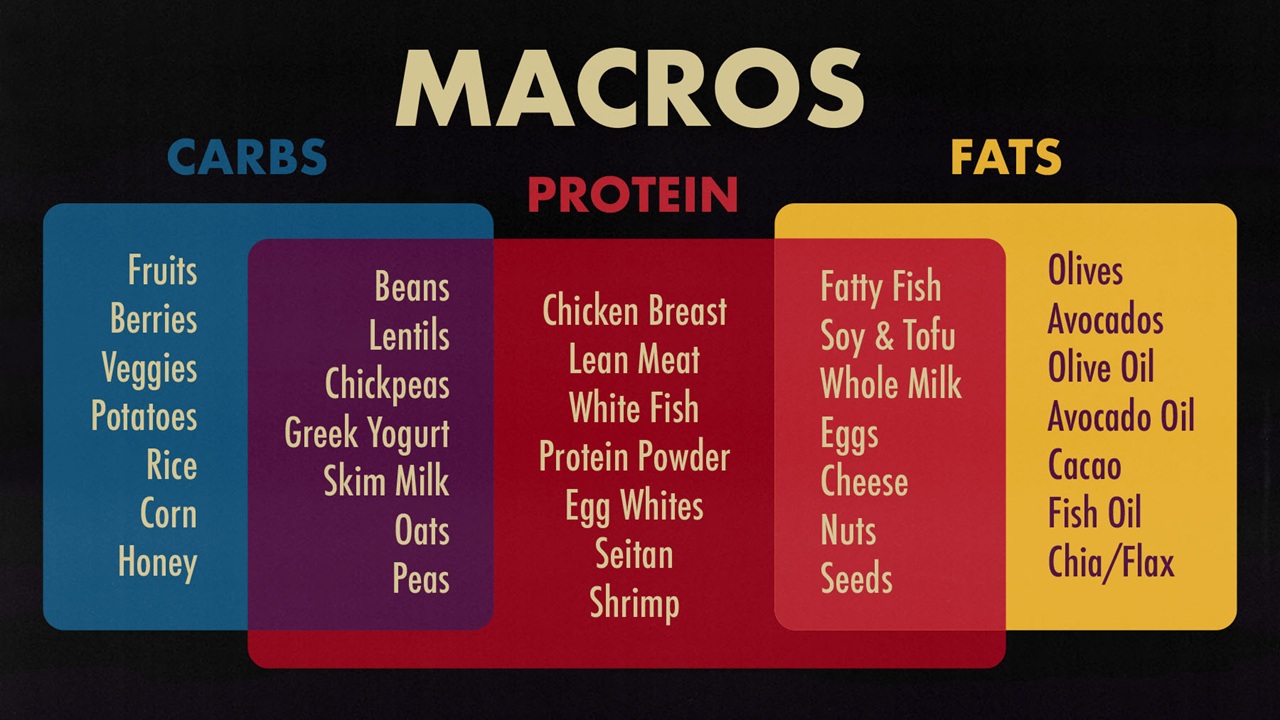
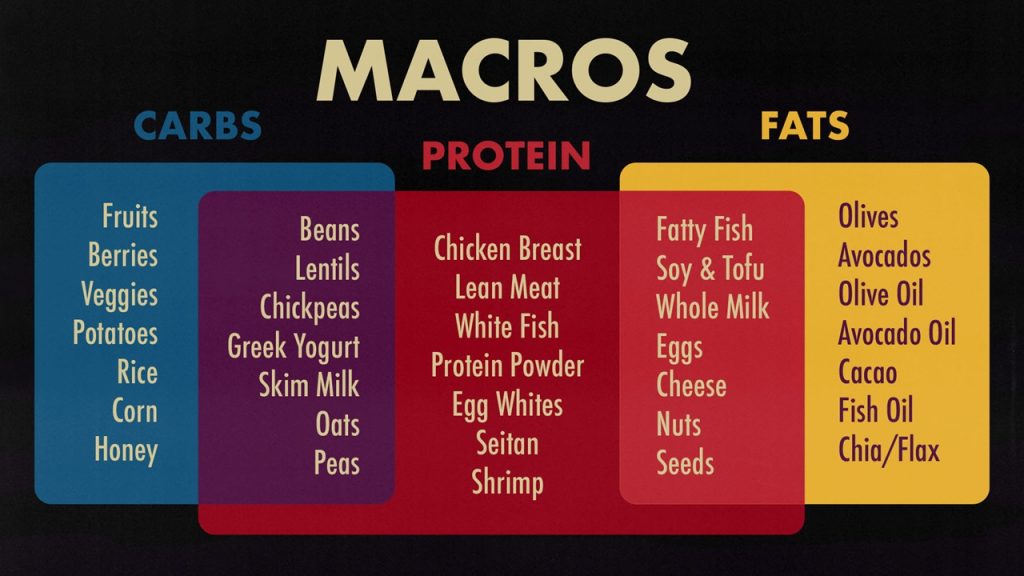
Beyond calories, it also breaks down your intake into macronutrients, which include protein, carbohydrates, and fats. These are essential for fueling your body, supporting muscle growth, and maintaining overall health.
Many people start using a calorie calculator, but quickly realize that focusing only on calories is not enough. Two diets with the same calories can have completely different effects depending on how macros are distributed.
Why Calories and Macros Matter
Calories represent the total energy your body receives from food. If you consume more calories than you burn, you gain weight. If you consume fewer, you lose weight. This is the foundation of most diet plans.
However, macros determine how those calories are used in your body.
Protein supports muscle repair and growth. It also helps you feel full for longer, which is useful if you are trying to reduce calorie intake.
Carbohydrates are your body’s primary energy source. They fuel workouts, daily activities, and even brain function.
Fats are essential for hormone production and nutrient absorption. Despite common myths, healthy fats are necessary for a balanced diet.
A good nutrition calculator ensures that your macro balance aligns with your personal goals, not just your calorie target.
How a Nutrition Calculator Works
Most calculators rely on established formulas such as the Basal Metabolic Rate and Total Daily Energy Expenditure.
Basal Metabolic Rate estimates how many calories your body needs at rest. It accounts for basic functions like breathing and circulation.
Total Daily Energy Expenditure includes your daily activities and exercise. This gives a more realistic picture of how many calories you actually burn.
Once your total calorie needs are calculated, the tool divides them into macros based on your goals.
For example, someone aiming to build muscle may have a higher protein intake, while someone focused on endurance might prioritize carbohydrates.
Steps to Use a Nutrition Calculator Effectively
Using a nutrition calculator is simple, but getting accurate results depends on how honestly and carefully you input your data.
Start by entering your correct details such as age, weight, height, and gender. Even small inaccuracies can affect your results.
Choose your activity level carefully. Many people overestimate how active they are, which leads to higher calorie recommendations than needed.
Set your goal clearly. Whether it is weight loss, muscle gain, or maintenance, your target will influence both calories and macros.
Review the suggested breakdown. Most tools provide a percentage split for protein, carbs, and fats.
Track your intake daily. A calculator is only useful if you actually follow and monitor your diet.
Adjust as needed. Your body changes over time, so your calorie and macro needs may also change.
Common Mistakes People Make
One of the biggest mistakes is relying entirely on the calculator without observing real world results. These tools provide estimates, not exact numbers.
Another common issue is ignoring macros and focusing only on calories. This can lead to poor nutrition, low energy levels, and unsustainable diets.
Some users also fail to update their data as they progress. If you lose weight or increase your activity level, your needs will change.
Lastly, consistency is often overlooked. Using a nutrition calculator for a few days will not bring results. It requires regular tracking and small adjustments over time.
Benefits of Using a Nutrition Calculator
A Nutrition Calculator simplifies decision making. Instead of guessing what to eat, you have a clear target to follow.
It helps you stay accountable. Seeing your daily intake in numbers makes it easier to identify patterns and improve habits.
It supports different goals. Whether you want to lose fat, gain muscle, or maintain your current weight, a calculator adapts to your needs.
It also saves time. Once you understand your numbers, meal planning becomes much easier and more efficient.
Real Life Example
Imagine someone trying to lose weight without a clear plan. They may eat less one day and more the next, leading to inconsistent results.
Now compare that to someone using a nutrition calculator. They know exactly how many calories to consume and how to balance their macros. Over time, this consistency leads to steady progress.
The difference is not just in the tool itself, but in how it creates structure and awareness.
Tips to Get Better Results
Focus on whole foods rather than processed options. Even if the calorie count matches, nutrient quality matters.
Do not aim for perfection. Hitting your exact macro targets every day is unrealistic. Staying close is good enough.
Stay hydrated and get enough sleep. These factors affect metabolism and overall health.
Combine your nutrition plan with regular physical activity. Diet and exercise work best together.
Listen to your body. If you feel constantly tired or hungry, your plan may need adjustment.
Who Should Use a Nutrition Calculator
A nutrition calculator is useful for beginners who want a clear starting point. It removes confusion and provides direction.
It is also valuable for fitness enthusiasts who want to fine tune their diet for better performance.
Even people with busy schedules can benefit, as it simplifies meal planning and reduces guesswork.
However, those with specific medical conditions should consult a professional before making significant dietary changes.
Final Thoughts
A nutrition calculator is more than just a digital tool. It is a practical guide that helps you understand your body and make smarter food choices.
The key is not just using it once, but making it part of your daily routine. Over time, you will develop a better sense of portion sizes, nutrient balance, and what works best for your body.
Instead of following random diet trends, you will have a personalized plan based on real data. That alone can make your health journey more consistent and sustainable.
If you approach it with patience and consistency, a nutrition calculator can become one of the most valuable tools in your fitness and wellness journey.