Tag: improve laptop battery life

  • Windows 12 Battery Optimization Guide for Longer Life

    Windows 12 Battery Optimization Guide for Longer Life

    If you use a laptop every day, battery life quickly becomes one of the most important things to manage. A powerful system means nothing if your battery drains within a few hours. With Windows 12, Microsoft is expected to bring smarter power management features, but even the best system still needs manual optimization to get the most out of it.

    This guide walks you through practical, real-world ways to improve battery life on Windows 12. These are not just technical tweaks but habits and settings that actually make a noticeable difference in daily use.

    Why Battery Optimization Matters in Windows 12
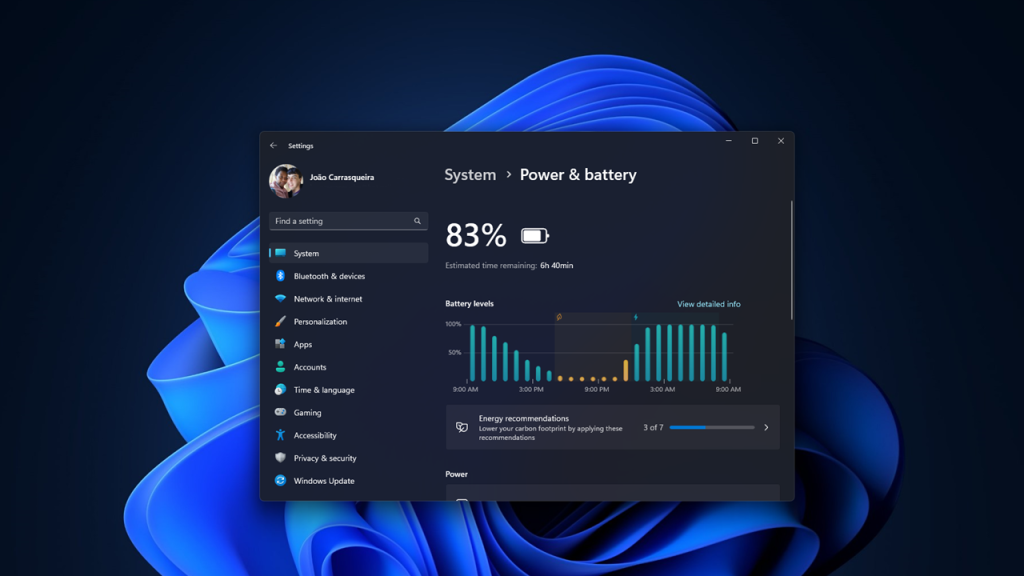
    Modern laptops are faster and more efficient than ever, but they also run heavier apps, background services, and AI-powered features. All of this puts pressure on your battery.

    Windows 12 focuses more on AI integration and cloud-connected features, which means background activity could increase. Without proper optimization, you may notice faster battery drain compared to older systems.

    Optimizing your battery is not only about making it last longer during the day. It also helps extend the overall lifespan of your battery, reducing the need for early replacement.

    Turn On Battery Saver Mode

    Battery Saver is one of the easiest and most effective tools in Windows.

    When enabled, it reduces background activity, limits notifications, and adjusts system performance to conserve power.

    To enable it:

    • Open Settings
    • Go to System
    • Click Power and Battery
    • Turn on Battery Saver

    You can also set it to turn on automatically when your battery drops below a certain percentage. A good starting point is 20 percent, but you can adjust it based on your usage.

    Adjust Screen Brightness and Display Settings

    Your display is one of the biggest battery consumers.

    Keeping brightness at maximum drains power quickly. Lowering it even slightly can extend battery life significantly.

    Some useful tips:

    • Use auto brightness if your device supports it
    • Reduce brightness to a comfortable level instead of maximum
    • Enable dark mode to reduce power usage on certain displays
    • Set a shorter screen timeout duration

    If you step away from your laptop frequently, reducing the screen timeout to one or two minutes can save a surprising amount of battery.

    Manage Background Apps

    Many apps continue running even when you are not actively using them.

    Windows 12 is expected to give better control over background processes, but you should still manage them manually.

    Steps to control background apps:

    • Go to Settings
    • Open Apps
    • Select Installed Apps
    • Choose apps and limit their background activity

    Disable background permissions for apps you rarely use. Messaging apps, cloud sync tools, and update services can quietly drain your battery throughout the day.

    Optimize Startup Programs

    Too many startup programs slow down your system and increase power usage right from boot.

    To manage startup apps:

    • Press Ctrl + Shift + Esc to open Task Manager
    • Go to the Startup tab
    • Disable unnecessary programs

    Keep only essential apps enabled. This not only improves battery life but also speeds up your laptop.

    Use Power Modes Wisely

    Windows 12 includes different power modes designed for performance or efficiency.

    Switching to a balanced or power-saving mode can greatly improve battery life.

    To change power mode:

    • Open Settings
    • Go to Power and Battery
    • Select Power Mode

    Choose Best Power Efficiency when you are on battery and switch back to performance mode only when needed.

    Disable Unused Hardware Features

    Certain hardware features consume power even when you are not actively using them.

    Turn off:

    • Bluetooth when not in use
    • Wi Fi if you are offline
    • Keyboard backlighting in daylight
    • External devices connected via USB

    Each small change adds up, especially during long work sessions.

    Keep Your System Updated

    It may sound simple, but updates often include battery optimization improvements.

    Windows updates can fix bugs that cause excessive battery drain. Driver updates, especially for graphics and chipset, also play a key role.

    Check for updates regularly:

    • Open Settings
    • Go to Windows Update
    • Click Check for Updates

    Keeping your system current ensures you benefit from the latest efficiency improvements.

    Reduce Heavy App Usage

    Some apps consume more power than others. Video editing software, games, and browsers with many tabs open can drain your battery quickly.

    To manage this:

    • Close unused tabs in your browser
    • Use lightweight alternatives for basic tasks
    • Avoid running multiple heavy apps simultaneously

    If you are working on battery, prioritize essential tasks and save demanding work for when your device is plugged in.

    Optimize Browser Settings

    Browsers are often the biggest battery drain for many users.

    Simple changes can make a big difference:

    • Enable energy saver mode in your browser
    • Disable unnecessary extensions
    • Use fewer tabs
    • Turn off auto playing videos

    Switching to a more efficient browser or adjusting settings can extend battery life noticeably.

    Monitor Battery Usage

    Windows 12 provides detailed insights into which apps are consuming the most power.

    To check battery usage:

    • Open Settings
    • Go to Power and Battery
    • View Battery Usage

    This helps you identify which apps or processes are draining your battery and take action accordingly.

    Enable Sleep and Hibernate Settings

    Proper sleep settings prevent unnecessary battery drain when your laptop is idle.

    Configure your system to:

    • Sleep after a short period of inactivity
    • Use hibernate for longer breaks

    Hibernate uses almost no power and is ideal when you are not using your laptop for several hours.

    Maintain Battery Health

    Battery optimization is not just about software settings. Physical care also matters.

    Good habits include:

    • Avoid keeping your laptop plugged in all the time
    • Keep battery levels between 20 percent and 80 percent
    • Avoid extreme heat exposure
    • Use the original charger

    These practices help extend the overall lifespan of your battery.

    Use AI Powered Optimization Features

    Windows 12 Iso Download is expected to introduce smarter AI based battery management.

    These features may:

    • Learn your usage patterns
    • Adjust performance automatically
    • Limit background activity during idle periods

    Make sure these features are enabled once available, as they can optimize your system without manual effort.

    Real Life Tips That Actually Work

    Beyond settings and features, daily habits play a big role.

    For example, if you often work in coffee shops or during travel, lowering brightness and disabling unused features can easily give you an extra hour or two of battery life.

    If you are someone who keeps dozens of browser tabs open, simply reducing them can make a noticeable difference.

    Battery optimization is not about one big change. It is about combining small improvements that add up over time.

    Common Mistakes to Avoid

    Many users unknowingly reduce their battery life by making simple mistakes.

    Avoid these:

    • Running your laptop at maximum brightness all the time
    • Ignoring background apps
    • Keeping unnecessary devices connected
    • Skipping system updates
    • Using high performance mode on battery

    Fixing these habits alone can significantly improve battery performance.

    Final Thoughts

    Windows 12 brings modern features and improved performance, but battery life still depends heavily on how you use your system.

    By applying the tips in this guide, you can extend your laptop battery life, improve efficiency, and reduce the need for frequent charging.

    Start with simple changes like adjusting brightness and enabling Battery Saver, then move on to deeper optimizations like managing apps and power settings.

    Over time, these small improvements will make your laptop more reliable, especially when you need it the most.
  • Best Windows 11 Battery Saving Tips for Laptops

    Best Windows 11 Battery Saving Tips for Laptops

    If you’ve ever been in the middle of important work or watching something interesting and suddenly your laptop battery drops to 10%, you know how frustrating it feels. Windows 11 brings a modern design and smoother experience, but it can also consume more battery if not optimized properly.

    The good news is that you don’t need any advanced technical skills to improve battery life. With a few simple adjustments, you can extend your laptop usage by hours and make your system more efficient without sacrificing performance.

    This guide walks you through practical, real-world Windows 11 battery saving tips that actually make a difference.

    Turn On Battery Saver Mode

    One of the easiest ways to reduce battery drain is by enabling Battery Saver. This feature limits background activity, reduces notifications, and adjusts system performance to conserve power.

    Go to Settings, then System, then Power and Battery. From there, turn on Battery Saver manually or set it to activate automatically when your battery reaches a certain percentage.

    Many users overlook this simple setting, but it can significantly extend battery life, especially when you’re working away from a charger.

    Lower Screen Brightness

    Your laptop display is one of the biggest battery consumers. Even a small reduction in brightness can have a noticeable impact.

    Instead of keeping brightness at maximum, adjust it to a comfortable level. Windows 11 also allows automatic brightness adjustment based on lighting conditions, which can help save power throughout the day.

    If you work indoors most of the time, you probably don’t need full brightness anyway.

    Use Dark Mode

    Dark mode is not just about aesthetics. On laptops with OLED or AMOLED displays, it can reduce power usage because darker pixels consume less energy.

    To enable dark mode, go to Settings, then Personalization, then Colors, and choose Dark.

    While the impact may vary depending on your screen type, it still helps reduce strain on your eyes during long sessions.

    Close Background Apps

    Many apps continue running in the background even when you’re not using them. These apps consume CPU resources and drain your battery quietly.

    Open Task Manager and check which applications are using the most power. Close unnecessary ones.

    You can also manage startup apps by going to Settings, then Apps, then Startup, and disabling apps that you don’t need immediately after boot.

    Adjust Power Mode

    Windows 11 gives you control over performance and energy usage through Power Mode settings.

    Go to Settings, then System, then Power and Battery. Under Power Mode, choose Best Power Efficiency instead of Balanced or Best Performance.

    This setting slightly reduces system performance but can noticeably improve battery life, especially for everyday tasks like browsing or document editing.

    Disable Unnecessary Startup Programs

    Some apps automatically launch when your laptop starts, even if you don’t use them daily. This slows down your system and increases power consumption.

    To fix this, open Task Manager, go to the Startup tab, and disable non-essential programs.

    Keeping startup clean not only saves battery but also improves boot speed.

    Turn Off Bluetooth and WiFi When Not Needed

    Wireless connections constantly search for signals, which uses battery power.

    If you’re not using Bluetooth devices or internet connection, turn them off. You can quickly do this from the Quick Settings panel in Windows 12 Iso File.

    This small habit can add extra minutes or even hours to your battery life over time.

    Manage Background Permissions

    Windows 11 allows apps to run in the background for updates and notifications. While useful, this can drain your battery.

    Go to Settings, then Apps, then Installed Apps. Select any app, open Advanced Options, and restrict background activity.

    Limiting background permissions ensures that only important apps consume power.

    Reduce Screen Timeout

    Leaving your screen on when you’re not actively using your laptop wastes energy.

    Set a shorter screen timeout duration by going to Settings, then Power and Battery, then Screen and Sleep.

    For example, set the display to turn off after 5 minutes of inactivity when on battery.

    This simple change can make a surprisingly big difference.

    Keep Your System Updated

    Microsoft regularly releases updates that improve performance and fix bugs, including battery-related issues.

    Make sure your Windows 11 system is up to date by checking Settings, then Windows Update.

    Outdated systems can have inefficiencies that drain battery faster than necessary.


    Use Efficient Apps and Browsers

    Not all software is created equal. Some apps consume more power than others.

    For example, certain browsers are known for high memory and CPU usage. Try using lightweight alternatives or limit the number of tabs open at once.

    Also, uninstall apps that you no longer use. Keeping your system clean reduces background load.

    Enable Battery Health Features

    Some laptops come with built-in battery health management tools provided by the manufacturer. These tools limit charging to a certain percentage to preserve battery lifespan.

    Check your laptop brand’s software for options like optimized charging or battery care.

    While this doesn’t directly extend daily battery life, it helps maintain long-term battery performance.

    Turn Off Keyboard Backlight

    Keyboard backlighting looks great, especially in low light, but it consumes extra power.

    If you don’t need it, turn it off or reduce brightness. Most laptops allow you to control this using function keys.

    This is a small tweak, but every bit helps when you’re running on battery.

    Disconnect Unused Devices

    External devices like USB drives, external hard disks, or even a mouse can draw power from your laptop.

    Disconnect any peripherals that you’re not actively using.

    This reduces overall power consumption and helps your battery last longer.

    Optimize Video Playback Settings

    Streaming videos or watching movies can drain battery quickly.

    Windows 11 allows you to optimize video playback for battery life. Go to Settings, then Apps, then Video Playback, and enable battery-saving options.

    Lowering video resolution slightly can also help without affecting your viewing experience too much.

    Final Thoughts

    Improving battery life on Windows 11 is not about making one big change. It’s about combining multiple small optimizations that work together.

    You don’t need to apply every tip at once. Start with the basics like adjusting brightness, enabling Battery Saver, and managing background apps. Over time, these habits become second nature and help you get the most out of your laptop.

    A well-optimized laptop not only lasts longer on a single charge but also performs better and stays reliable throughout the day.