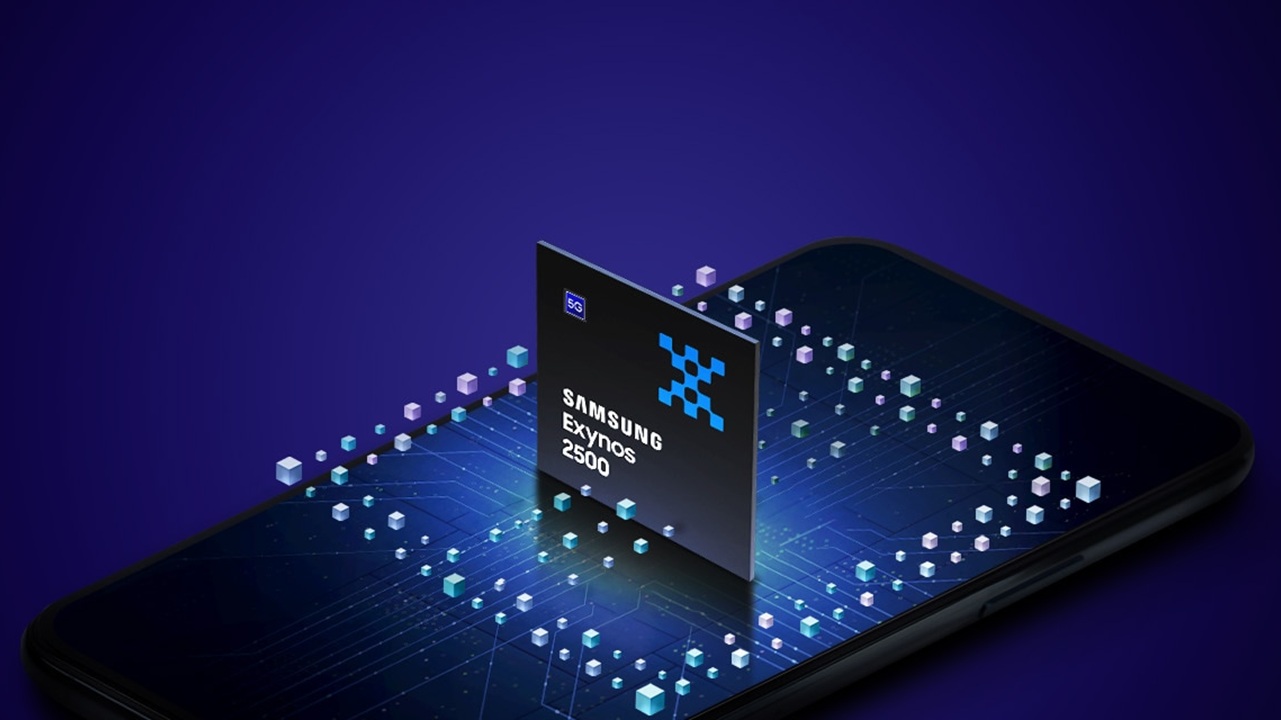
Samsung has quietly become one of the most important players in the global tech ecosystem. While most people recognize the brand for its smartphones, TVs, and home appliances, the real engine behind its success lies deep inside devices we use every day. That engine is semiconductor technology.
If you have ever wondered why modern smartphones feel faster, laptops run cooler, or AI tools respond almost instantly, the answer often comes down to advancements in chip technology. Samsung’s latest developments in this space are not just incremental upgrades. They are shaping the future of computing, mobile devices, and even artificial intelligence.
Let’s break down Samsung’s new chip technology in a way that actually makes sense, without getting lost in overly technical jargon.
What Is Samsung’s New Chip Technology?
Samsung’s newest chip technology focuses on smaller, faster, and more efficient semiconductor designs. The company is pushing boundaries with advanced fabrication processes like 3nm and beyond, using cutting-edge transistor architecture called Gate-All-Around or GAA.
In simple terms, Samsung is making chips that can do more work while using less power and generating less heat. That might sound like a small improvement, but in the world of computing, it is a massive leap forward.
Think of it like upgrading from a regular highway to a super-efficient expressway where more cars can travel faster using less fuel. That is essentially what Samsung is doing with its chips.
Understanding 3nm Technology in Simple Words
One of the biggest highlights of Samsung’s innovation is its move to 3nm chip manufacturing. The “nm” or nanometer refers to the size of the tiny components inside a chip.
Smaller size means more transistors can fit into the same space. More transistors mean better performance and efficiency.
Here is why 3nm matters:
- Faster processing speeds for apps and games
- Better battery life for smartphones and laptops
- Reduced heat generation
- Improved AI performance
Compared to older 5nm or 7nm chips, 3nm technology delivers noticeable improvements that users can actually feel in daily use.
What Is Gate-All-Around Technology?
Gate-All-Around or GAA is the real game changer behind Samsung’s new chips.
Traditional chips use a design called FinFET, where the transistor gate controls current from three sides. Samsung’s GAA design wraps the gate around all sides of the transistor, allowing much better control.
That control leads to:
- Lower power leakage
- Higher efficiency
- Better performance at lower voltages
If you imagine water flowing through a pipe, GAA is like having perfect control over the valve, ensuring no waste and maximum efficiency.
Samsung is among the first companies to commercialize this technology at scale, giving it a competitive edge in the semiconductor race.
Why Samsung’s Chip Innovation Matters
You might be thinking, why should the average user care about chip architecture?
The answer is simple. Chips power everything.
From smartphones and laptops to cars and smart home devices, better chips mean better experiences.
Here is how Samsung’s new chip technology impacts everyday life:
Faster Smartphones
Apps open instantly, games run smoothly, and multitasking becomes seamless. You will notice less lag and better responsiveness.
Longer Battery Life
With improved efficiency, devices can last longer on a single charge. This is especially important for heavy users.
Better AI Features
Modern apps rely heavily on AI. Whether it is photo editing, voice assistants, or real-time translations, faster chips make these features more accurate and quicker.
Improved Gaming Experience
Gamers benefit from higher frame rates, better graphics, and less overheating during long sessions.
Samsung vs Competitors
Samsung is not alone in the chip race. Companies like TSMC, Intel, and Apple are also pushing boundaries.
However, Samsung stands out in a few key areas:
- Early adoption of GAA technology
- Strong vertical integration from design to manufacturing
- Ability to produce chips for both its own devices and other brands
While TSMC leads in manufacturing for companies like Apple, Samsung’s approach of combining innovation with in-house production gives it unique advantages.
The competition is intense, and that is actually good for consumers. It drives faster innovation and better products.
Impact on Smartphones and Future Devices
Samsung’s chip technology is already making its way into smartphones, especially in flagship devices.
Future phones powered by these chips will likely offer:
- Near-instant app launches
- Advanced AI camera capabilities
- Enhanced augmented reality experiences
- Better 5G performance
But it does not stop there.
Samsung’s innovations are also expected to influence:
- Foldable devices
- Smartwatches and wearables
- Autonomous vehicles
- Data centers and cloud computing
This means the impact of these chips goes far beyond just phones.
Energy Efficiency and Sustainability
One of the less talked about benefits of advanced chip technology is energy efficiency.
Smaller and smarter chips consume less power, which helps reduce overall energy usage. For large data centers and cloud platforms, this can translate into significant environmental benefits.
Samsung is actively focusing on reducing power consumption in its semiconductor processes. This is not just about performance anymore. It is also about sustainability.
As the world moves toward greener technology, efficient chips will play a major role.
Challenges Samsung Faces
Despite its progress, Samsung’s journey is not without challenges.
Developing advanced chips is extremely complex and expensive. Manufacturing at 3nm requires precision at an atomic level, where even tiny errors can impact performance.
Some of the key challenges include:
- High production costs
- Yield issues during manufacturing
- Intense competition from TSMC and Intel
- Rapidly changing market demands
However, Samsung continues to invest heavily in research and development to overcome these hurdles.
What This Means for the Future of Technology
Samsung’s new chip technology is not just an upgrade. It represents a shift toward a more powerful and efficient digital world.
In the coming years, we can expect:
- Smarter AI systems that feel more human-like
- Devices that last longer without charging
- Faster and more reliable connectivity
- Breakthroughs in areas like robotics and automation
For everyday users, this means technology will become more seamless, less intrusive, and more integrated into daily life.
Final Thoughts
Samsung’s advancements in chip technology might not always make headlines like smartphones do, but they are the foundation of modern innovation.
The move to 3nm and the adoption of Gate-All-Around architecture mark a significant step forward. These changes are not just about numbers or benchmarks. They translate into real-world improvements that users can feel.
Whether you are a casual smartphone user, a gamer, or someone who relies on technology for work, Samsung’s new chips are shaping the experience you will have in the near future.
As competition continues and technology evolves, one thing is clear. The race to build better chips is far from over, and Samsung is firmly in the lead pack, pushing boundaries that will define the next generation of devices.