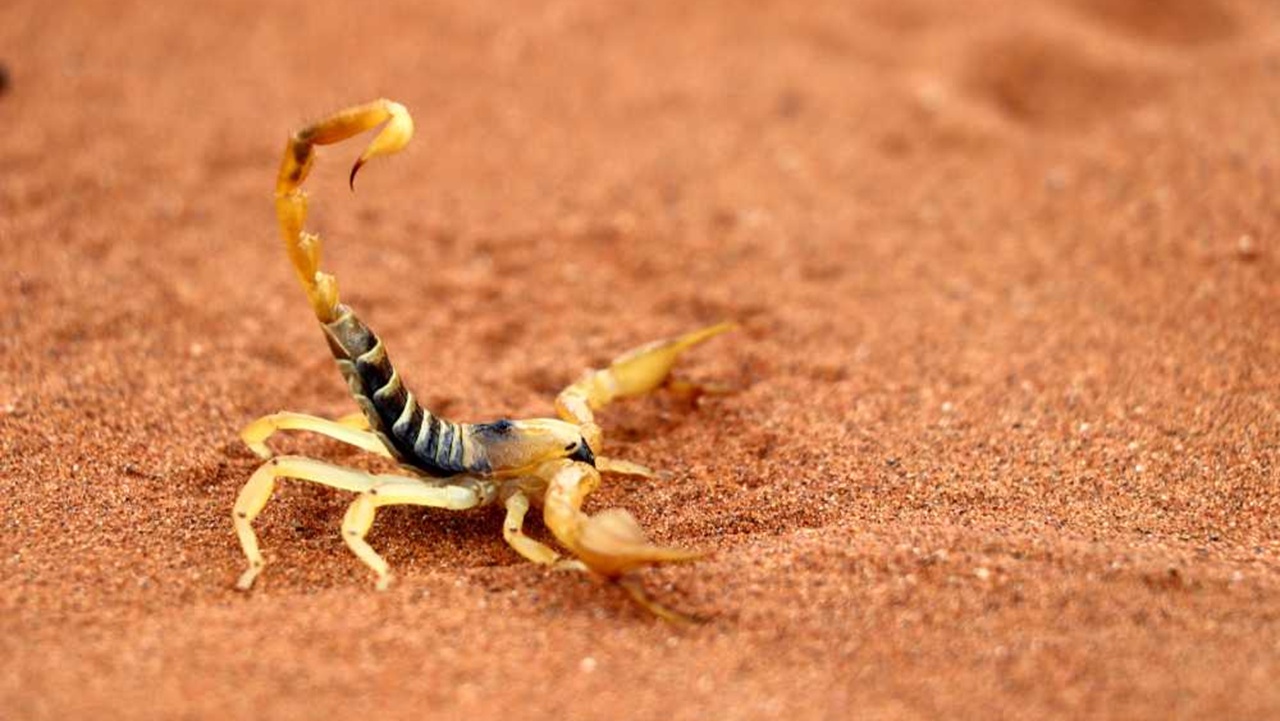
Scorpions are one of those creatures that instantly trigger curiosity and fear at the same time. Their sharp pincers, curved tail, and venomous sting have made them a symbol of danger in many cultures. But here is the truth most people miss: scorpions are far more misunderstood than they are dangerous.
If you have ever spotted one in your home or seen videos online, you probably wondered how risky they really are. This guide breaks down real scorpion facts, clears up common myths, and gives you practical safety tips you can actually use.
What Are Scorpions

Scorpions are arachnids, which means they belong to the same family as spiders and ticks. They have eight legs, a segmented body, two pincers, and a tail that ends with a stinger.
There are more than 2000 species of scorpions worldwide, but only a small number have venom strong enough to seriously harm humans. Most species are relatively harmless and use their sting mainly to hunt small insects or defend themselves.
They have been around for hundreds of millions of years, even before dinosaurs, which makes them one of the oldest surviving land animals.
Where Do Scorpions Live
Scorpions are incredibly adaptable. While many people associate them with deserts, they are found in a wide range of environments.
Common habitats include
- Deserts and dry regions
- Tropical forests
- Grasslands
- Rocky areas
- Urban homes and buildings
In countries like India, scorpions are commonly found in warm regions, especially during summer and monsoon seasons when they come out in search of food or shelter.
Inside homes, they prefer dark and undisturbed areas such as under rocks, inside shoes, behind furniture, or in cracks and corners.
Scorpion Behavior Explained
Understanding how scorpions behave can help reduce fear and improve safety.
They are nocturnal
Scorpions are most active at night. During the day, they hide to avoid heat and predators. This is why people often encounter them after dark.
They are not aggressive
Despite their scary appearance, scorpions do not attack humans intentionally. They sting only when they feel threatened or trapped.
For example, stepping on one accidentally or putting your hand into a hidden space can trigger a defensive sting.
They rely on vibration
Scorpions have poor eyesight but are highly sensitive to vibrations. They detect movement through the ground, which helps them locate prey and avoid danger.
They glow under UV light
One of the most fascinating facts is that scorpions glow under ultraviolet light. Scientists believe this may help them detect light levels or protect them from sunlight, although the exact reason is still debated.
Common Scorpion Myths You Should Stop Believing
There are many myths about scorpions that have been passed down for years. Some of them sound believable, but they are not true.
Myth 1: All scorpions are deadly
This is one of the biggest misconceptions. Only about 30 to 40 species have venom that can be dangerous to humans. Most scorpion stings cause mild pain, similar to a bee sting.
Myth 2: Scorpions chase people
Scorpions do not chase humans. If one appears to move toward you, it is likely trying to escape or find shelter, not attack.
Myth 3: Small scorpions are always more dangerous
While some small species have strong venom, size alone does not determine danger. Both small and large scorpions can vary in toxicity depending on the species.
Myth 4: Scorpions can survive anything
Scorpions are tough, but they are not invincible. They can survive harsh conditions, but they still need food, water, and suitable shelter.
Myth 5: Scorpions always inject venom when they sting
Not every sting releases venom. Sometimes scorpions deliver a dry sting as a warning without injecting venom.
Are Scorpions Dangerous to Humans
The level of danger depends on the species, the amount of venom injected, and the person affected.
Mild symptoms
- Sharp pain at the sting site
- Swelling or redness
- Tingling sensation
Severe symptoms (rare)
- Difficulty breathing
- Muscle twitching
- Nausea or vomiting
- Increased heart rate
Children, elderly individuals, and people with allergies are more at risk of complications.
In India, the Indian red scorpion is considered one of the more dangerous species, but even then, serious cases are uncommon with proper medical care.
What To Do If You Get Stung
If you or someone nearby gets stung, staying calm is important.
Immediate steps
- Wash the area with soap and water
- Apply a cool compress to reduce pain and swelling
- Keep the affected area still
- Avoid panic or unnecessary movement
When to seek medical help
- Severe pain that does not improve
- Signs of breathing difficulty
- Symptoms in children or older adults
- Allergic reactions
Do not try home remedies that involve cutting the wound or sucking out venom. These methods are ineffective and can make things worse.
How To Keep Scorpions Away From Your Home
Prevention is always better than dealing with a sting. The good news is that simple steps can significantly reduce the chances of scorpions entering your home.
Seal entry points
Close gaps in doors, windows, and walls. Even small cracks can allow scorpions to enter.
Keep your home clean
Clutter provides hiding spots. Regular cleaning makes your space less attractive to them.
Remove outdoor hiding spots
Clear debris, wood piles, and stones near your house. These are common shelter areas for scorpions.
Check shoes and clothes
Always shake out shoes, clothes, and bedding before use, especially if they have been left on the floor.
Control insects
Scorpions feed on insects, so reducing bugs like cockroaches and ants helps reduce scorpion presence.
Use proper lighting outdoors
Bright lights attract insects, which in turn attract scorpions. Consider using yellow or warm lights that attract fewer bugs.
Natural Role of Scorpions in the Ecosystem
Before labeling scorpions as dangerous pests, it is worth understanding their ecological importance.
Scorpions help control insect populations. They feed on pests that can damage crops or spread disease. In this way, they play a useful role in maintaining balance in the environment.
Removing them completely from an ecosystem can lead to an increase in harmful insects.
Interesting Scorpion Facts
- Scorpions can survive months without food by slowing their metabolism
- Some species give birth to live young instead of laying eggs
- Baby scorpions ride on their mother’s back until they are ready to survive on their own
- They can adjust the amount of venom they use depending on the situation
- Fossil evidence shows scorpions existed over 400 million years ago
Final Thoughts
Scorpions may look intimidating, but most of the fear surrounding them comes from myths rather than facts. The reality is that they are cautious, defensive creatures that prefer to stay hidden and avoid human interaction.
By understanding their behavior and taking simple precautions, you can greatly reduce the chances of encountering one or getting stung. Instead of seeing them only as a threat, it helps to recognize their role in nature and approach them with awareness rather than fear.