The race to build powerful AI systems is no longer a distant concept discussed only in research labs. It is happening right now, shaping industries, economies, and even geopolitics. From Silicon Valley to Beijing, governments and tech giants are investing billions to develop smarter, faster, and more capable artificial intelligence.
What makes this race different from previous technological competitions is its speed and impact. AI is not just another tool. It is a foundational technology that can influence everything from healthcare and education to defense and entertainment. The countries and companies that lead in AI today may define how the world works tomorrow.
Why the AI Race Matters More Than Ever
Artificial intelligence has moved far beyond simple automation. Modern AI systems can write, design, analyze data, and even make decisions that once required human intelligence. This shift has created a sense of urgency among global powers.
The stakes are high. AI leadership means economic dominance, national security advantages, and control over critical technologies. Nations understand that falling behind in AI development could have long-term consequences.
For everyday people, this race affects job markets, privacy, and access to technology. The tools being built today will shape how people work, learn, and interact in the future.
Key Players in the Global AI Race
Several major players are driving the global push for advanced AI systems. Each has its own strategy, strengths, and goals.
United States
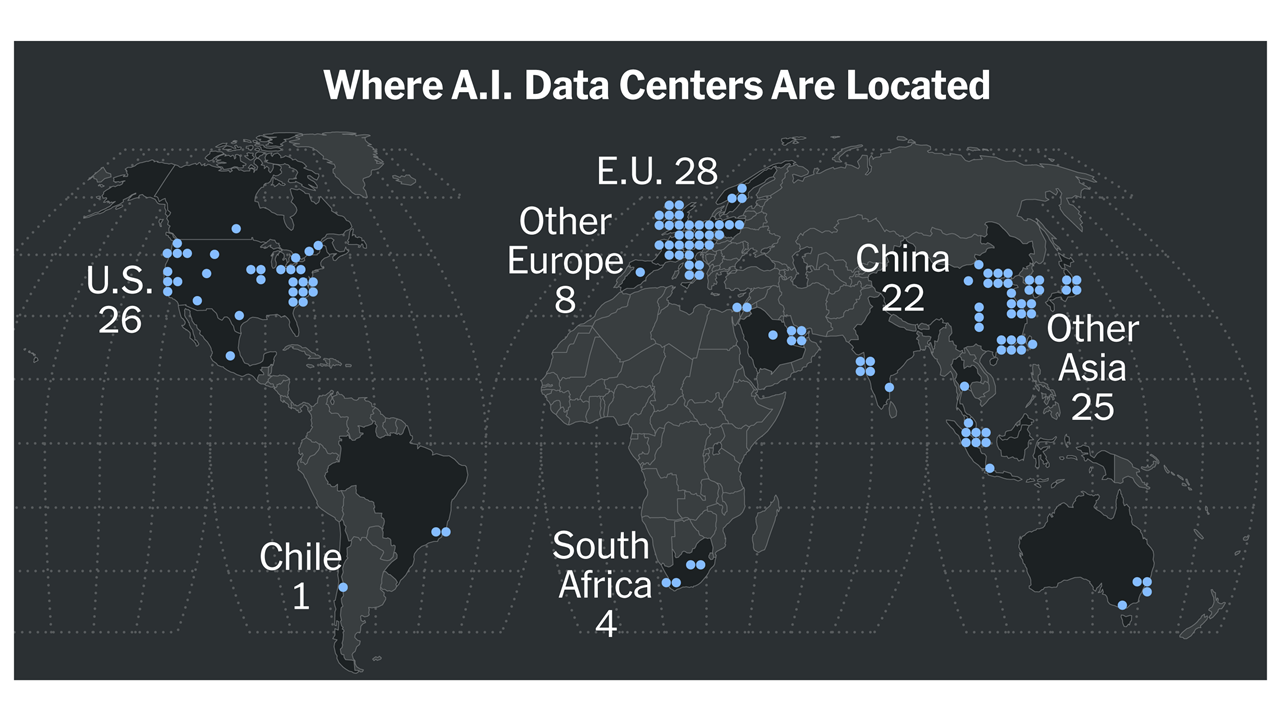
The United States remains a leader in AI innovation, thanks to companies like OpenAI, Google, Microsoft, and Meta. These organizations are pushing boundaries with large language models, generative AI tools, and advanced research.
The US benefits from a strong startup ecosystem and access to top talent. Universities and private labs work closely together, creating a powerful pipeline for innovation.
China
China has made AI a national priority. With strong government support and massive data resources, Chinese companies like Baidu, Alibaba, and Tencent are rapidly advancing their AI capabilities.
China focuses heavily on real-world applications such as smart cities, surveillance systems, and industrial automation. Its approach is often more centralized compared to the US.
Europe
Europe takes a different path by emphasizing ethical AI and regulation. While it may not lead in raw AI power, it plays a crucial role in shaping global standards.
The European Union is actively working on policies to ensure AI is safe, transparent, and aligned with human values.
Other Emerging Players
Countries like India, the United Kingdom, Canada, and Israel are also making significant contributions. These regions are investing in AI research, startups, and talent development to stay competitive.
India, in particular, is emerging as a strong player due to its large tech workforce and growing startup ecosystem.
The Role of Big Tech Companies
While governments set policies, tech companies are the ones building the actual systems. Companies are competing to create the most advanced AI models, often releasing new updates at a rapid pace.
This competition has led to breakthroughs in areas such as natural language processing, computer vision, and robotics. Tools that once seemed futuristic are now available to the public.
However, this fast pace also raises concerns. Companies are under pressure to innovate quickly, which can sometimes lead to overlooked risks.
AI Chips and Infrastructure
Behind every powerful AI system is a massive amount of computing power. Specialized hardware, particularly AI chips, plays a critical role in this race.
Companies like NVIDIA, AMD, and Intel are competing to produce faster and more efficient processors. Meanwhile, cloud providers are building huge data centers to support AI workloads.
The demand for computing resources has created a new kind of competition, sometimes referred to as the “chip war.” Access to advanced hardware can determine who leads in AI development.
Ethical Challenges and Risks
As AI systems become more powerful, the risks associated with them also increase. One of the biggest concerns is misuse.
AI can be used to create deepfakes, spread misinformation, or automate cyberattacks. Without proper safeguards, these risks could grow rapidly.
Another major issue is bias. AI systems learn from data, and if that data contains biases, the results can be unfair or discriminatory.
Privacy is also a growing concern. Many AI systems rely on large amounts of personal data, raising questions about how that data is collected and used.
The Push for Regulation
Governments around the world are beginning to recognize the need for AI regulation. The goal is to balance innovation with safety.
Some countries are introducing laws that require transparency in AI systems. Others are focusing on data protection and ethical guidelines.
However, regulation is not easy. Too much control can slow innovation, while too little can lead to serious risks. Finding the right balance is one of the biggest challenges in the AI race.
Impact on Jobs and the Economy
AI is already transforming the job market. Some roles are being automated, while new ones are being created.
Jobs that involve repetitive tasks are most at risk. At the same time, there is growing demand for skills related to AI, data analysis, and technology.
For businesses, AI offers opportunities to increase efficiency and reduce costs. Companies that adopt AI early may gain a significant competitive advantage.
For workers, adapting to these changes will be essential. Learning new skills and staying updated with technology will become increasingly important.
AI in Everyday Life
The impact of the AI race is not limited to big companies or governments. It is already visible in daily life.
From voice assistants and recommendation systems to smart home devices and online tools, AI is everywhere. Many people use AI without even realizing it.
As systems become more advanced, they will become even more integrated into daily routines. This could make life more convenient, but it also raises questions about dependence on technology.
Collaboration vs Competition
While the AI race is often framed as a competition, collaboration also plays a role. Researchers and companies sometimes share knowledge and work together on common challenges.
Open-source projects and international partnerships can accelerate progress. However, geopolitical tensions can limit collaboration, especially in sensitive areas.
Balancing competition with cooperation will be important for the future of AI.
What the Future Might Look Like
Predicting the future of AI is not easy, but some trends are clear. AI systems will continue to become more powerful and more capable.
We may see breakthroughs in areas like healthcare, where AI could help diagnose diseases earlier and more accurately. Education could become more personalized, with AI adapting to individual learning styles.
At the same time, new challenges will emerge. Questions about control, safety, and ethics will become even more important.
The outcome of the AI race will not just depend on technology. It will also depend on how societies choose to use and regulate that technology.
Final Thoughts
The global race to build powerful AI systems is shaping the future in ways that are hard to ignore. It is a story of innovation, ambition, and competition, but also one of responsibility.
For individuals, businesses, and governments, the key will be to stay informed and prepared. AI is not just a trend. It is a transformative force that will continue to evolve.
Understanding this race is the first step toward navigating the changes it brings. Whether as a user, a developer, or a policymaker, everyone has a role to play in shaping how AI impacts the world.