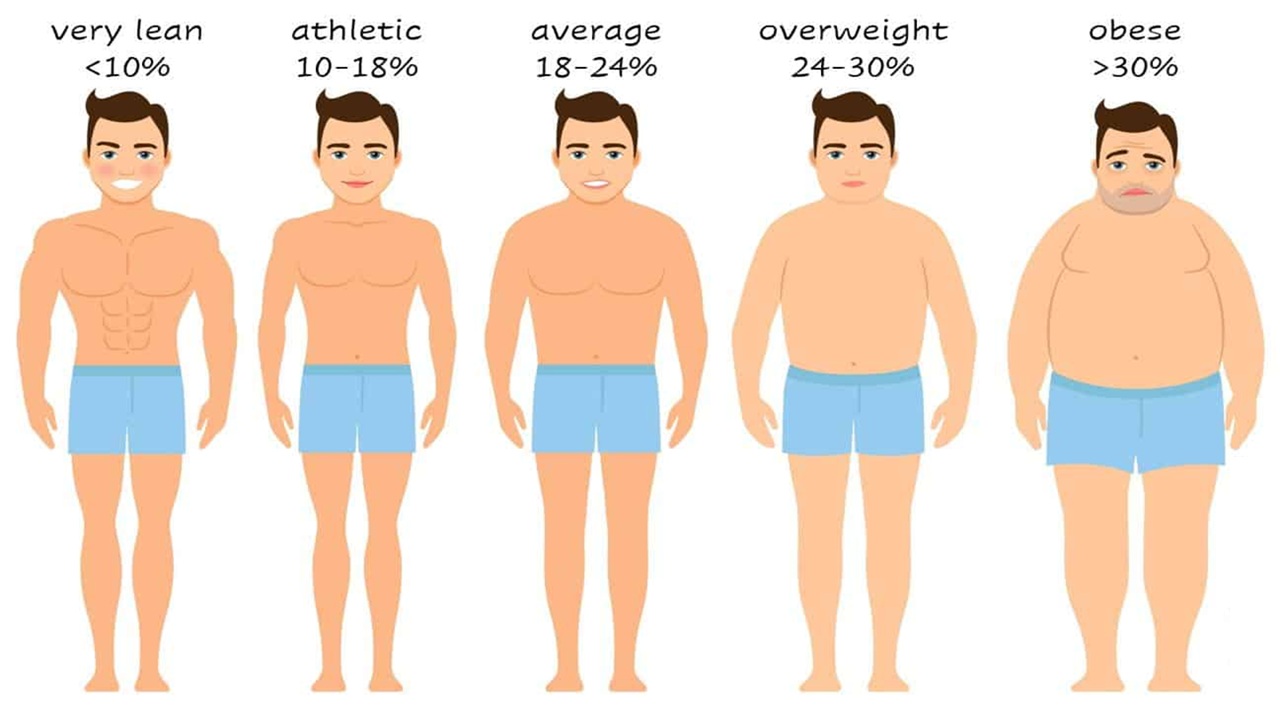
When people talk about fitness progress, most conversations revolve around weight, BMI, or body fat percentage. But if you have ever tried to understand how much muscle you truly carry, you have likely come across the term FFMI. Short for Fat Free Mass Index, FFMI is one of the most reliable ways to evaluate lean muscle mass while accounting for your height.
Unlike BMI, which often mislabels muscular individuals as overweight, FFMI gives a clearer picture of your physique. It separates fat mass from lean mass and helps you understand whether your body composition falls within a healthy or athletic range.
In this guide, we will break down what a good FFMI score looks like for both men and women, include a practical chart, and explain how you can use it to track your fitness journey.
What is FFMI
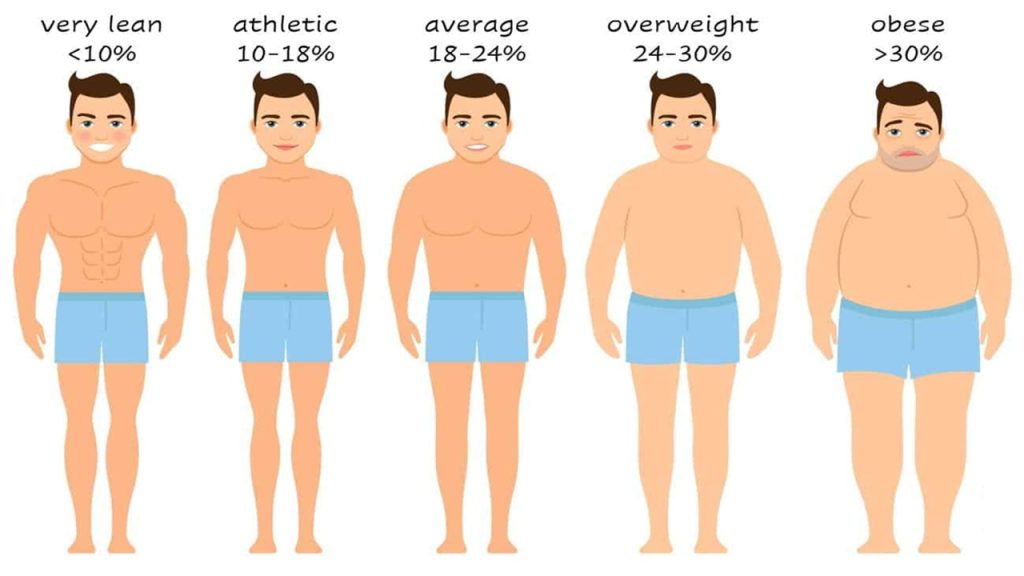
FFMI stands for Fat Free Mass Index. It measures the amount of lean mass in your body relative to your height. Lean mass includes muscles, bones, organs, and water, everything except fat.
The formula for FFMI is simple:
FFMI = Lean Body Mass in kilograms divided by height in meters squared
If you already know your body fat percentage, you can calculate lean body mass by subtracting fat weight from your total weight.
For example, if someone weighs 70 kg and has 20 percent body fat, their lean body mass would be 56 kg. That value is then used to calculate FFMI.
What makes FFMI valuable is that it focuses on muscle mass rather than total weight. This makes it especially useful for athletes, gym enthusiasts, and anyone working toward a lean and muscular body.
Why FFMI is Better Than BMI
BMI has been used for decades as a general health indicator, but it has clear limitations. It does not distinguish between fat and muscle, which often leads to misleading results.
FFMI solves this problem by focusing only on lean mass. Two people with the same BMI can have very different FFMI scores, depending on how much muscle they carry.
For example, a trained athlete and a sedentary person might both have a BMI of 25. However, the athlete will likely have a much higher FFMI due to greater muscle mass.
This is why fitness professionals often rely on FFMI when assessing body composition.
Good FFMI Score Chart for Men and Women
To make things easier, here is a general FFMI chart that categorizes scores into different fitness levels. These ranges are based on widely accepted fitness standards.
FFMI Chart for Men
- Below 17: Low muscle mass
- 17 to 19: Average
- 19 to 21: Above average
- 21 to 23: Athletic
- 23 to 26: Very muscular
- Above 26: Exceptional or potentially enhanced
For most natural lifters, an FFMI of around 22 to 24 is considered very impressive.
FFMI Chart for Women
- Below 14: Low muscle mass
- 14 to 16: Average
- 16 to 18: Above average
- 18 to 20: Athletic
- 20 to 22: Very muscular
- Above 22: Exceptional
Women naturally have lower muscle mass than men, so their FFMI ranges are adjusted accordingly.
What is Considered a Good FFMI Score
A good FFMI score depends on your goals and experience level.
For beginners, reaching the average or above average range is already a solid achievement. It indicates that you have built a healthy amount of lean mass.
For regular gym goers, an FFMI in the athletic range is often the target. This reflects consistent training and proper nutrition over time.
If you are aiming for a highly muscular physique, pushing into the very muscular category requires years of disciplined training. It is not something that happens quickly.
It is also important to remember that genetics play a role. Some individuals naturally have a higher potential for muscle growth, while others may find it harder to reach the same FFMI levels.
Natural FFMI Limit
One of the most discussed topics around FFMI is the natural limit. Research and fitness experts often suggest that a natural FFMI rarely exceeds 25 for men.
If someone has an FFMI significantly above this level, it may indicate the use of performance enhancing substances. However, this is not a strict rule, as outliers do exist.
For women, the natural limit is generally considered to be around 20 to 22.
Understanding these limits can help you set realistic expectations and avoid comparing yourself to unrealistic standards often seen on social media.
How to Calculate Your FFMI
To calculate your FFMI accurately, you need three key pieces of information:
Your total body weight
Your body fat percentage
Your height
Once you have these, follow these steps:
First, calculate lean body mass by removing fat weight from your total weight
Then divide lean body mass by your height squared
There are also online FFMI Calculator that can do this instantly, saving you time and effort.
How to Improve Your FFMI
Improving your FFMI means increasing lean muscle mass while keeping body fat under control. This requires a combination of proper training, nutrition, and recovery.
Strength Training
Resistance training is essential for building muscle. Focus on compound movements like squats, deadlifts, bench press, and pull ups. These exercises engage multiple muscle groups and promote overall growth.
Consistency matters more than intensity alone. Training regularly over months and years leads to steady improvements in FFMI.
Protein Intake
Protein is the building block of muscle. Aim for a balanced diet that includes sufficient protein from sources like eggs, chicken, fish, dairy, and plant based options.
A common guideline is around 1.6 to 2.2 grams of protein per kilogram of body weight.
Calorie Balance
To build muscle, you need to be in a slight calorie surplus. However, excessive calorie intake can lead to fat gain, which does not improve your FFMI.
Finding the right balance is key. A moderate surplus supports muscle growth without unnecessary fat accumulation.
Sleep and Recovery
Muscle growth happens during recovery, not during workouts. Getting enough sleep and allowing your body time to recover is crucial for improving FFMI.
Poor recovery can limit your progress even if your training and diet are on point.
Common Mistakes When Using FFMI
While FFMI is a useful tool, it is not perfect. There are some common mistakes people make when interpreting their scores.
One mistake is relying on inaccurate body fat measurements. Since FFMI depends on lean body mass, incorrect body fat estimates can lead to misleading results.
Another mistake is comparing yourself too much with others. Everyone has different genetics, body types, and fitness goals.
Finally, focusing only on FFMI can be limiting. It should be used alongside other metrics like strength, endurance, and overall health.
FFMI vs Other Fitness Metrics
FFMI is just one piece of the puzzle. It works best when combined with other measurements.
Body fat percentage tells you how lean you are
BMI gives a general health overview
Strength levels indicate functional fitness
Together, these metrics provide a more complete picture of your physical condition.
Real Life Example of FFMI
Imagine two individuals with the same height and weight. One has a higher body fat percentage, while the other has more muscle.
Even though their BMI might be identical, the person with more muscle will have a higher FFMI. This clearly shows why FFMI is a better indicator of fitness.
Final Thoughts
FFMI is a powerful metric for understanding your body composition and tracking your progress. It goes beyond simple weight measurements and focuses on what truly matters for a strong and healthy physique, lean muscle mass.
A good FFMI score varies depending on gender, experience, and goals. For most people, reaching the above average or athletic range is a realistic and rewarding target.
Instead of chasing extreme numbers, focus on steady progress. Build muscle, stay consistent, and give your body the time it needs to adapt. Over time, your FFMI will reflect your efforts.