The gaming world never really slows down. Just when players begin to settle into a console generation, whispers about the next big thing start to surface. That is exactly what is happening with the PlayStation 6. Even though Sony has not officially confirmed anything yet, rumors, industry hints, and technology trends are painting a surprisingly clear picture of what could come next.
If you have been following PlayStation for years, you already know how each generation pushes boundaries in unexpected ways. From the leap to 3D gaming with the original PlayStation to ultra fast SSDs in the PS5, Sony has a habit of reshaping how games feel and perform. The PlayStation 6 is expected to continue that tradition, but possibly in ways that feel even more personal and immersive.
Let us take a closer look at everything we know so far, along with realistic expectations based on current technology.
When Could the PlayStation 6 Release
Sony typically follows a six to seven year console cycle. The PlayStation 5 launched in late 2020, which naturally puts the PlayStation 6 somewhere around 2026 or 2027. Industry analysts and insiders are leaning toward this timeline, especially as hardware advancements and development pipelines align with that window.
However, there is a twist. The gaming landscape is evolving quickly. Cloud gaming, streaming services, and AI powered tools are reshaping how games are built and played. Because of this, Sony might adjust its strategy slightly, possibly introducing a phased release or multiple hardware variants.
Still, if you are waiting for the next big console upgrade, it is safe to assume that the PlayStation 6 will not arrive overnight. It will likely appear when the PS5 generation begins to feel limited by new game demands.
Expected Hardware Upgrades
One of the biggest talking points around the PlayStation 6 is its hardware. Each generation brings significant performance improvements, but the PS6 could represent a much bigger leap than usual.
Next Generation Processor
The PlayStation 6 will almost certainly use a custom AMD chip again, but with a newer architecture focused on efficiency and raw power. Expect faster clock speeds, better multi core performance, and improved energy management.
This means smoother gameplay, faster load times, and the ability to handle more complex game worlds without breaking immersion.
Advanced Graphics Capabilities
Ray tracing became mainstream with the PS5, but the PlayStation 6 is expected to take it much further. Real time lighting, reflections, and shadows could reach a level where games start to look almost indistinguishable from reality.
There are also rumors about support for 8K gaming. While that might sound excessive right now, it shows where Sony is aiming in terms of future proofing the console.
AI Driven Performance Enhancements
Artificial intelligence is already playing a role in gaming, but the PlayStation 6 could integrate AI much deeper into the system. This might include smarter upscaling techniques, dynamic performance adjustments, and even AI assisted game development tools.
Imagine a console that learns how you play and adjusts graphics settings automatically to give you the best experience without manual tweaking.
Storage and Speed Improvements
The PS5 introduced ultra fast SSD technology that drastically reduced loading times. The PlayStation 6 is expected to build on this with even faster storage solutions.
Games could load almost instantly, with large open worlds streaming seamlessly without noticeable delays. Developers might also create more detailed environments because they no longer need to worry about slow data transfer speeds.
In practical terms, this means less waiting and more playing, which is something every gamer appreciates.
Backward Compatibility
One of the most common questions is whether the PlayStation 6 will support older games. Sony has been improving backward compatibility over time, and it is likely that the PS6 will continue this trend.
Players may be able to access their PS5 libraries without any issues, and possibly even older titles depending on how Sony handles emulation and licensing.
This is important because modern gamers invest heavily in digital libraries. Losing access to those games would be a major drawback, so Sony is expected to prioritize compatibility.
Virtual Reality and Immersion
Virtual reality is no longer just a side feature. With devices like PlayStation VR2, Sony has shown a serious commitment to immersive gaming.
The PlayStation 6 could take this further by offering deeper VR integration, better performance, and possibly wireless VR solutions. Improved motion tracking, higher resolution displays, and reduced latency could make VR feel more natural than ever before.
Beyond VR, there are also discussions about augmented reality and mixed reality features. While this might not be fully realized in the first version of the PS6, it is definitely part of the long term vision.
Controller Innovations
The DualSense controller introduced haptic feedback and adaptive triggers, which changed how players interact with games. The PlayStation 6 controller is expected to refine and expand these features.
Future controllers might include more precise feedback systems, improved battery life, and even biometric sensors. For example, the controller could detect your heart rate or stress level and adjust gameplay accordingly.
While that may sound futuristic, technology is already moving in that direction.
Cloud Gaming and Digital Ecosystem
Gaming is no longer limited to physical consoles. Cloud gaming services are becoming more popular, allowing players to stream games without downloading them.
Sony is likely to expand its cloud gaming capabilities with the PlayStation 6. This could include better integration with PlayStation Plus, faster streaming performance, and more flexible access across devices.
You might start a game on your console and continue playing on another device without losing progress. This kind of seamless experience is becoming a major focus in the industry.
Game Development and Exclusives
Hardware alone does not define a console. Games are what truly matter. Sony has built a strong reputation for high quality exclusives, and the PlayStation 6 will rely heavily on this strength.
Developers will have access to more powerful tools, allowing them to create larger worlds, smarter AI characters, and more detailed storytelling experiences.
We can expect new franchises along with sequels to popular titles. The combination of advanced hardware and creative freedom could lead to some of the most ambitious games ever made.
Design and Form Factor
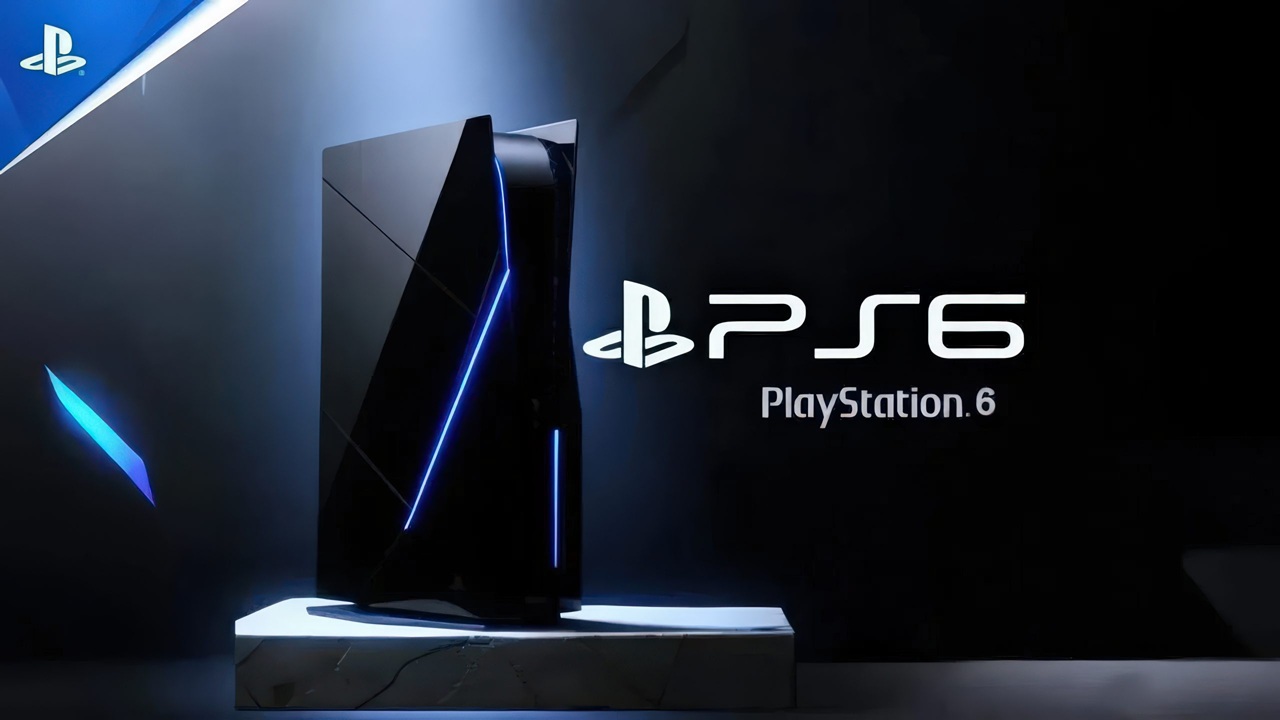
While there is no confirmed design yet, the PlayStation 6 will likely be more compact and efficient compared to the PS5. Cooling systems, energy efficiency, and overall aesthetics will play a big role.
Sony may also explore modular designs or customizable elements, giving users more control over how their console looks and performs.
Price Expectations
Pricing is always a sensitive topic. With advanced technology comes higher costs, but Sony will need to balance performance with affordability.
The PlayStation 6 could launch in a range similar to previous consoles, possibly with multiple versions offering different storage or performance levels.
Subscription services and digital sales will also influence pricing strategies, making the overall ecosystem more flexible.
Should You Wait for the PlayStation 6
If you are currently using a PlayStation 5, there is no urgent need to upgrade anytime soon. The PS5 still has years of life left, with many upcoming games designed specifically for it.
However, if you are planning long term or are simply curious about the future of gaming, the PlayStation 6 is shaping up to be an exciting step forward.
It is not just about better graphics or faster performance. It is about creating a more connected, immersive, and personalized gaming experience.
Final Thoughts
The PlayStation 6 remains a mystery in many ways, but the direction is clear. Sony is preparing for a future where gaming feels more real, more accessible, and more integrated into everyday life.
From powerful hardware to AI driven features and advanced VR capabilities, the next generation console could redefine what players expect from gaming.
While rumors should always be taken with caution, they often reflect real industry trends. And if even half of these expectations become reality, the PlayStation 6 could be one of the most significant console launches in gaming history.
For now, all we can do is watch, wait, and imagine what comes next.