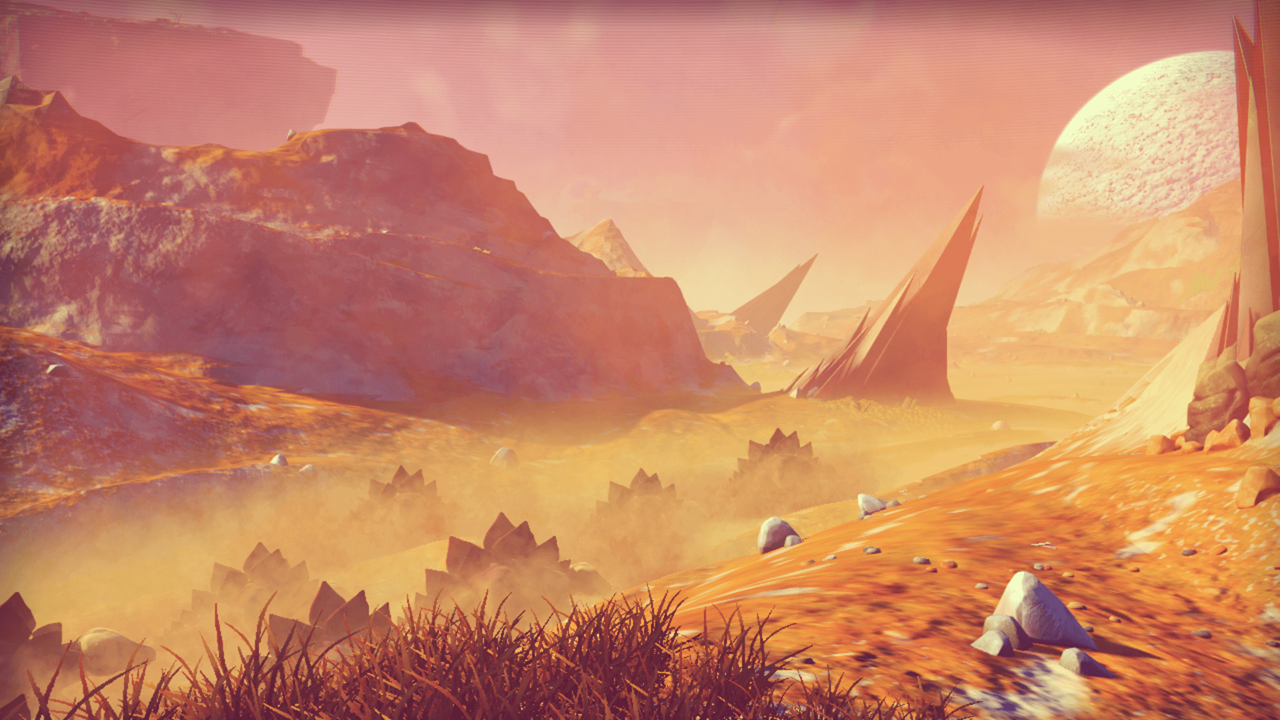
Procedural world generation has quietly transformed how modern games are built and experienced. If you have ever wandered through a seemingly endless landscape in a game and wondered how developers created such massive worlds, there is a good chance procedural generation played a key role.
Unlike traditional level design, where every element is manually crafted, procedural generation uses algorithms to create content dynamically. This can include terrain, cities, quests, enemies, and even entire universes. The result is a gaming experience that often feels fresh, unpredictable, and deeply immersive.
What Is Procedural World Generation
Procedural world generation refers to the use of algorithms and mathematical models to automatically create game environments. Instead of hand designing every detail, developers define rules and systems that generate content in real time or during development.
Think of it as giving a computer a set of instructions like
Create mountains with varying heights
Add rivers that flow naturally downhill
Scatter forests based on climate rules
The system then builds a world that follows these guidelines but is never exactly the same twice.
This approach is especially popular in open world and sandbox games where scale and replayability are important.
Why Modern Games Rely on Procedural Generation
Game worlds have grown significantly over the past decade. Players now expect vast maps, dynamic environments, and near endless exploration. Creating all of this manually would take an enormous amount of time and resources.
Procedural generation solves this problem in several ways.
First, it allows developers to build massive worlds without needing to design every square inch. A small team can create a game that feels as large as something built by hundreds of designers.
Second, it enhances replayability. Since the world can change with each playthrough, players are more likely to return and experience something new.
Third, it helps optimize storage. Instead of storing every detail of a world, the game can generate it on the fly, reducing file size.
Types of Procedural Generation Techniques
There is no single way to generate a procedural world. Developers use a variety of techniques depending on the type of game they are building.
Noise Functions
Noise functions like Perlin noise and Simplex noise are commonly used to create natural looking terrain. These mathematical patterns help generate hills, valleys, and landscapes that feel organic rather than random.
Rule Based Systems
In rule based generation, developers define specific conditions. For example, deserts appear in hot regions, forests grow near water, and snow forms at high elevations. This ensures the world makes sense logically.
Random Generation with Constraints
Pure randomness can lead to chaotic results, so most games combine randomness with constraints. This creates variety while still maintaining structure.
Procedural Story Elements
Some games go beyond terrain and generate quests, characters, and storylines. This adds another layer of unpredictability and depth.
Popular Games That Use Procedural World Generation
Several modern games have successfully used procedural generation to create memorable experiences.
Minecraft is one of the most well known examples. Every world is generated from a seed, giving players a unique environment each time they start a new game.
No Man’s Sky takes this concept even further by generating entire planets, ecosystems, and creatures across a vast universe. Each planet feels distinct, offering players endless exploration opportunities.
Roguelike games such as Hades and Dead Cells use procedural generation to create new levels each time you play, keeping gameplay fresh and challenging.
Even large scale RPGs and survival games often use procedural elements to enhance their worlds.
Benefits of Procedural World Generation
The advantages of procedural generation go beyond just saving time.
It creates a sense of discovery. Players never fully know what they will encounter next, which keeps exploration exciting.
It allows for scalability. Developers can expand worlds without redesigning everything from scratch.
It supports smaller studios. Indie developers can compete with larger companies by leveraging smart algorithms instead of massive teams.
It also encourages creativity. Designers can experiment with systems that produce surprising and unique outcomes.
Challenges and Limitations
Despite its advantages, procedural generation is not without challenges.
One of the biggest issues is maintaining quality. Randomly generated content can sometimes feel repetitive or lack the handcrafted detail that players appreciate.
Balancing randomness with design intent is another challenge. Developers need to ensure that the world feels meaningful rather than chaotic.
There is also the risk of technical complexity. Building reliable procedural systems requires expertise in both programming and design.
Finally, storytelling can be more difficult. While procedural systems can generate environments, creating emotional and engaging narratives often still requires a human touch.
The Role of AI in Procedural Generation
Artificial intelligence is pushing procedural generation to new heights. Modern AI systems can analyze player behavior and adapt the world accordingly.
For example, AI can generate quests based on a player’s playstyle or adjust difficulty levels dynamically. This creates a more personalized gaming experience.
Machine learning is also being used to generate more realistic environments and characters, making procedurally generated worlds feel more believable.
Procedural Generation vs Handcrafted Design
There is often a debate about whether procedural or handcrafted design is better. In reality, most modern games use a combination of both.
Handcrafted elements provide depth, storytelling, and emotional impact. Procedural systems add scale, variety, and replayability.
For example, a game might use procedural generation for terrain while carefully designing key locations like cities or story driven areas.
This hybrid approach offers the best of both worlds.
The Future of Procedural World Generation
Looking ahead, procedural generation is expected to become even more advanced. As computing power increases and AI continues to evolve, the possibilities are expanding rapidly.
Future games may feature worlds that not only generate themselves but also evolve over time based on player actions. Imagine a game where ecosystems change dynamically, cities grow or collapse, and stories unfold differently for every player.
Virtual reality and augmented reality could also benefit from procedural generation, creating immersive environments on demand.
Final Thoughts
Procedural world generation has become a cornerstone of modern game development. It enables developers to create vast, dynamic worlds that would be impossible to build manually.
At the same time, the human touch remains essential. The most memorable games combine smart algorithms with thoughtful design, resulting in experiences that feel both expansive and meaningful.
As technology continues to advance, procedural generation will likely play an even bigger role in shaping the future of gaming. For players, this means richer worlds, endless exploration, and new adventures waiting around every corner.