Tag: early pregnancy signs

  • Egg Implantation Guide Symptoms Timeline

    Egg Implantation Guide Symptoms Timeline

    Understanding egg implantation is one of the most important parts of early pregnancy, yet it often feels confusing and full of mixed information. If you are trying to conceive or simply curious about how pregnancy begins, knowing what happens during implantation can give you clarity and confidence.

    This guide breaks down the implantation process in a simple, human way. You will learn what implantation actually is, when it happens, what symptoms you might notice, and what is considered normal.

    What Is Egg Implantation
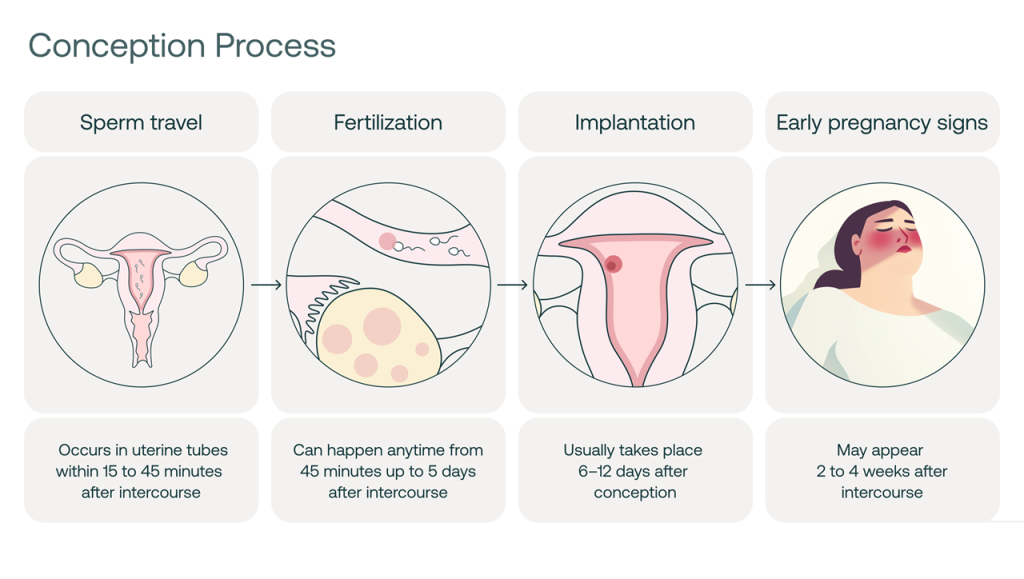
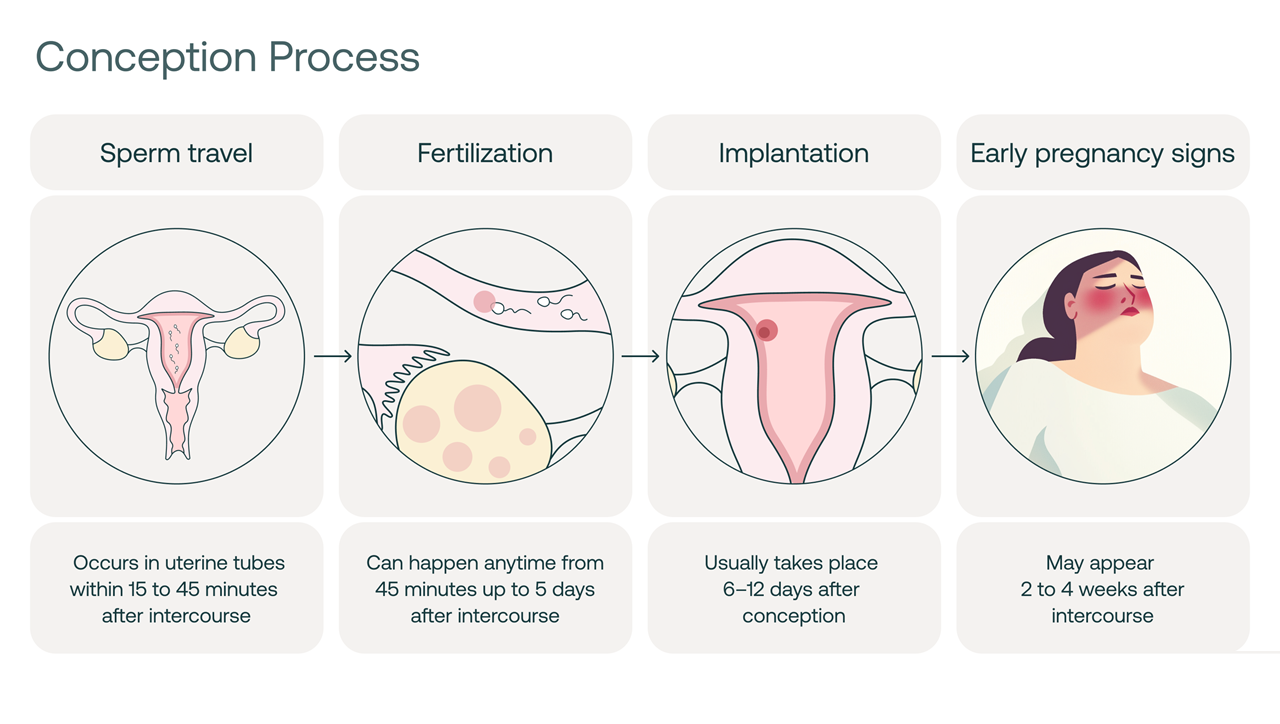
    Egg implantation is the moment when a fertilized egg attaches itself to the lining of the uterus. This is the stage where pregnancy officially begins.

    After ovulation, an egg is released from the ovary and travels through the fallopian tube. If sperm meets the egg during this journey, fertilization occurs. The fertilized egg, now called a zygote, continues to travel toward the uterus while dividing into multiple cells.

    By the time it reaches the uterus, it becomes a blastocyst. This tiny structure then attaches to the uterine wall, where it will grow into an embryo.

    Without implantation, pregnancy cannot continue. This is why implantation is such a critical step.

    Egg Implantation Timeline

    One of the most common questions is when implantation actually happens. While every body is slightly different, there is a general timeline that most pregnancies follow.

    Day 0: Ovulation

    The ovary releases an egg. This is the most fertile time.

    Day 1 to Day 2: Fertilization

    If sperm is present, fertilization usually happens within 24 hours after ovulation.

    Day 3 to Day 5: Cell Division

    The fertilized egg begins dividing as it travels through the fallopian tube.

    Day 6 to Day 7: Entry into the Uterus

    The blastocyst reaches the uterus and prepares for implantation.

    Day 7 to Day 10: Implantation Begins

    The embryo attaches to the uterine lining. This is the window when implantation symptoms may start.

    Day 11 to Day 14: Hormone Changes

    The body starts producing hCG, the pregnancy hormone. This is what pregnancy tests detect.

    This timeline can vary slightly. Some women experience implantation as early as day 6, while others may notice it closer to day 12.

    Common Implantation Symptoms

    Not everyone experiences noticeable symptoms during implantation. In fact, many women do not feel anything at all. However, some early signs can appear.

    Light Spotting or Implantation Bleeding

    This is one of the most talked about symptoms. It usually appears as light pink or brown spotting, not a heavy flow like a period.

    It typically lasts a few hours to a couple of days and is much lighter than a menstrual cycle.

    Mild Cramping

    Some women feel gentle cramps during implantation. These cramps are usually less intense than period cramps and may feel like a slight pulling or tingling sensation.

    Fatigue

    Your body begins to change hormonally, which can make you feel more tired than usual. This early fatigue can appear even before a missed period.

    Breast Tenderness

    Hormonal changes can make breasts feel sore, sensitive, or slightly swollen.

    Mood Changes

    You may notice emotional shifts. This happens due to rising hormone levels and is completely normal.

    Slight Increase in Body Temperature

    If you track your basal body temperature, you might notice it stays elevated after ovulation. This can be an early sign of implantation.

    Implantation Bleeding vs Period

    Many people confuse implantation bleeding with the start of a period. Understanding the difference can help avoid confusion.

    Implantation bleeding is lighter in color, often pink or brown, and does not increase in flow. A period usually starts light but becomes heavier over time and is bright red.

    The duration is also different. Implantation bleeding is short and mild, while a period lasts several days.

    If you are unsure, observing the pattern and timing can give you clues.

    When to Take a Pregnancy Test

    Timing matters when it comes to testing. Taking a test too early may give a false negative result.

    After implantation, the body needs time to produce enough hCG hormone. This usually takes a few days.

    For the most accurate result, it is better to wait until at least the first day of a missed period. Some sensitive tests may detect pregnancy Test Calculator a few days earlier, but waiting improves accuracy.

    Factors That Affect Implantation

    Not every fertilized egg successfully implants. Several factors can influence the process.

    Uterine Health

    A healthy uterine lining is necessary for implantation to occur.

    Hormonal Balance

    Hormones like progesterone play a key role in preparing the uterus.

    Timing

    The embryo must reach the uterus at the right stage for successful attachment.

    Lifestyle Factors

    Stress, smoking, alcohol, and poor nutrition can impact early pregnancy stages.

    Signs That Are Often Misunderstood

    It is easy to overanalyze every small change in your body when trying to conceive. Some symptoms are commonly mistaken for implantation.

    Bloating, headaches, and mild discomfort can happen due to hormonal changes even before implantation. These are not reliable signs on their own.

    Similarly, not having any symptoms does not mean implantation did not happen.

    What Happens After Implantation

    Once implantation is successful, the body begins producing hCG. This hormone supports the pregnancy and prevents menstruation.

    The placenta starts forming, and the embryo begins developing rapidly. Over the next few weeks, early pregnancy symptoms become more noticeable.

    At this stage, taking care of your health becomes even more important. A balanced diet, proper rest, and avoiding harmful substances can support early development.

    Tips for Supporting Healthy Implantation

    While implantation calculator is a natural process that cannot be controlled directly, certain habits can support your body.

    Focus on eating nutrient rich foods that include iron, folate, and healthy fats. Stay hydrated and maintain a healthy routine.

    Reducing stress can also help, even though it does not directly control implantation. Practices like light exercise, meditation, or simply getting enough sleep can make a difference.

    Avoid smoking and limit caffeine intake, as these can affect reproductive health.

    When to Consult a Doctor

    If you have been trying to conceive for several months without success, it may be helpful to speak with a healthcare provider.

    You should also seek medical advice if you experience heavy bleeding, severe pain, or unusual symptoms.

    Early guidance can help identify any underlying issues and improve your chances of a healthy pregnancy.

    Final Thoughts

    Egg implantation is a small but powerful step that marks the beginning of pregnancy. While the process happens quietly inside the body, understanding it can bring peace of mind.

    Some women notice subtle signs, while others feel nothing at all. Both experiences are completely normal.

    If you are trying to conceive, patience is key. Each cycle is different, and the body works in its own time. By understanding the implantation timeline and symptoms, you are better prepared to recognize the early stages of pregnancy without unnecessary stress.


  • Pregnancy Test and Due Date Calculator Guide

    Pregnancy Test and Due Date Calculator Guide

    Understanding pregnancy often begins with two important steps: confirming it and estimating when the baby will arrive. While both may seem simple at first glance, there is more behind a pregnancy test and due date calculation than most people realize. From hormone levels to cycle timing, small details can affect accuracy. This guide walks you through everything in a clear and practical way so you can feel more confident during this stage.

    How Pregnancy Tests Work

    A pregnancy test detects a hormone called human chorionic gonadotropin. This hormone starts developing shortly after a fertilized egg attaches to the uterus lining. It is commonly known as hCG.

    Home pregnancy tests check for this hormone in urine. Blood tests done in clinics can also measure it and are often more sensitive.

    When hCG Appears

    After ovulation, if fertilization occurs, the embryo attaches to the uterus within about 6 to 10 days. Once implantation happens, hCG begins to rise. However, it does not rise instantly to detectable levels.

    Most home tests work best if taken after a missed period. Testing too early can result in a false negative because hCG may still be too low.

    Types of Pregnancy Tests

    There are two main types:

    Urine tests
    These are widely available and easy to use at home. Some claim early detection, but results are more reliable after a missed period.

    Blood tests
    These are done in medical settings and can detect pregnancy earlier than urine tests. They can also measure exact hCG levels.

    When to Take a Pregnancy Test

    Timing plays a major role in accuracy. Many people feel anxious and test too early, which often leads to confusion.

    The best time to take a test is:

    After your missed period
    Using first morning urine for higher hormone concentration
    At least 10 to 14 days after ovulation if you track cycles

    If you test early and get a negative result but still suspect pregnancy, it is better to wait a few days and test again.

    Understanding Test Results

    Pregnancy tests usually show results as lines, symbols, or digital words.

    Positive result
    A positive result means hCG has been detected. Even a faint line often indicates pregnancy.

    Negative result
    A negative result means hCG was not detected. However, early testing can lead to false negatives.

    Invalid result
    Sometimes a test may not work properly. This can happen due to incorrect usage or a faulty kit.

    Common Mistakes to Avoid

    Many people unknowingly reduce the accuracy of pregnancy tests. Some common mistakes include:

    Testing too early
    Drinking excessive water before testing
    Not following instructions carefully
    Reading results outside the recommended time

    Paying attention to these details can make a big difference.

    Early Signs of Pregnancy

    While a test confirms pregnancy, your body may show signs even before testing.

    Missed period
    Mild cramping
    Breast tenderness
    Fatigue
    Frequent urination
    Nausea

    Not everyone experiences the same symptoms. Some may notice changes early, while others may not feel anything unusual.

    What Is a Due Date Calculator

    Once pregnancy is confirmed, the next question is usually about the expected delivery date. A due date calculator helps estimate when the baby might arrive.

    Doctors often use the first day of the last menstrual period to calculate the due date. This method assumes a regular 28 day cycle.

    How Due Date Is Calculated

    The most common method is known as Naegele’s rule. It works like this:

    Take the first day of your last period
    Add one year
    Subtract three months
    Add seven days

    For example, if your last period started on January 1, your estimated due date would be around October 8.

    Alternative Methods

    If you track ovulation or know the exact conception date, the calculation may be more precise.

    Ovulation based calculation
    Add 38 weeks to the ovulation date

    Ultrasound method
    Early ultrasounds measure the size of the embryo to estimate gestational age

    Why Due Dates Are Estimates

    A due date is not an exact prediction. It is an estimate based on averages. Only a small percentage of babies are born exactly on their due date.

    Factors that affect delivery timing include:

    Length of menstrual cycle
    First pregnancy versus later pregnancies
    Health conditions
    Genetic factors

    Most babies are born within a window of two weeks before or after the due date.

    Using a Pregnancy Due Date Calculator Tool

    Online calculators simplify the process. You only need to enter one of the following:

    First day of last period
    Conception date
    IVF transfer date

    The tool then calculates your estimated due date and pregnancy timeline.

    Benefits of Using a Calculator

    Quick and easy estimation
    Helpful for planning doctor visits
    Provides weekly pregnancy milestones
    Useful for tracking development

    However, it should not replace medical advice. Always confirm details with a healthcare provider.

    Understanding Pregnancy Timeline

    Pregnancy is divided into three trimesters.

    First trimester
    Weeks 1 to 12
    This is when major organs begin forming. Many people experience nausea and fatigue.

    Second trimester
    Weeks 13 to 26
    Energy levels often improve. The baby’s movements may become noticeable.

    Third trimester
    Weeks 27 to birth
    The baby grows rapidly. Physical discomfort may increase as delivery approaches.

    Knowing your due date helps you understand where you are in this timeline.

    Combining Pregnancy Tests and Due Date Calculations

    These two tools work together. First, a pregnancy test confirms the condition. Then, a due date calculator helps map out the journey ahead.

    For example:

    You take a pregnancy test after a missed period
    It shows positive
    You enter your last period date into a calculator
    You get an estimated due date and pregnancy week

    This simple process provides clarity and direction during early pregnancy.

    When to See a Doctor

    While home tools are helpful, medical confirmation is essential.

    You should consult a doctor if:

    You get a positive pregnancy test
    You have irregular cycles and are unsure about dates
    You experience unusual symptoms such as severe pain or bleeding

    Doctors may perform blood tests or ultrasounds to confirm pregnancy and refine the due date.

    Tips for Accurate Tracking

    Keep a record of your menstrual cycle
    Track ovulation if possible
    Use reliable pregnancy test brands
    Avoid testing too early
    Follow instructions carefully

    These small steps can improve both test accuracy and due date estimation.

    Emotional Side of Early Pregnancy

    Beyond numbers and calculations, early pregnancy is also an emotional experience. Some people feel excitement, while others feel uncertainty or even stress.

    Waiting for test results or calculating a due date can feel overwhelming. It helps to take things one step at a time and focus on reliable information.

    Talking to a partner, friend, or healthcare provider can make the process feel less isolating.

    Common Questions People Ask

    Can a pregnancy test be wrong
    Yes, especially if taken too early or incorrectly

    How accurate are due date calculators
    They provide estimates, not exact dates

    What if I do not remember my last period
    An ultrasound can help determine gestational age

    Can stress affect test results
    Stress does not directly affect hCG, but it can affect cycle timing

    Final Thoughts

    A pregnancy Test Calculator and due date calculator are simple tools, but they play an important role in the early stages of pregnancy. One gives you confirmation, and the other helps you prepare for what lies ahead.

    Accuracy depends on timing, correct usage, and understanding your own body. While online tools make things easier, they are only a starting point. Medical guidance remains essential for a healthy pregnancy journey.

    Taking a thoughtful and informed approach can help you move forward with confidence and clarity.