Category: Windows

  • Windows 12 Virtual Desktops Guide for Productivity

    Windows 12 Virtual Desktops Guide for Productivity

    If you often find yourself juggling too many open apps, tabs, and windows at once, you are not alone. Modern work demands multitasking, but cluttered screens can quickly turn into mental clutter. This is where Windows 12 virtual desktops come in.

    Virtual desktops are not a new concept, but Windows 12 takes them to a more refined and practical level. Whether you are a student, freelancer, office worker, or someone managing multiple projects, virtual desktops can completely change how you work on your computer.

    This guide will walk you through everything you need to know, from the basics to real-world productivity strategies you can start using right away.

    What Are Virtual Desktops in Windows 12

    Windows 12

    Virtual desktops allow you to create multiple separate workspaces on a single computer. Each desktop can have its own set of open apps, files, and windows.

    Think of it like having multiple screens without actually needing extra monitors.

    For example, you can have:

    • One desktop for work tasks
    • Another for personal browsing
    • A separate one for entertainment or gaming

    Instead of minimizing and reopening apps constantly, you simply switch between desktops.

    Why Virtual Desktops Matter for Productivity

    Many people underestimate how much time is wasted switching between windows. It may seem like a small thing, but over hours and days, it adds up.

    Here is why virtual desktops make a real difference:

    1. Reduced Screen Clutter

    When everything is on one screen, it becomes harder to focus. Virtual desktops let you keep only relevant apps visible.

    2. Better Focus

    When you switch to a specific desktop, your brain knows exactly what task you are working on. This reduces distractions.

    3. Faster Workflow

    No more searching through dozens of open Download Windows 12 Iso. Everything is organized by purpose.

    4. Improved Task Separation

    Work stays on one desktop. Personal tasks stay on another. This helps maintain balance.

    How to Create Virtual Desktops in Windows 12

    Windows 12 keeps the process simple and intuitive.

    Method 1: Using Task View

    • Click on the Task View icon on the taskbar
    • Select “New Desktop”
    • A new virtual desktop will be created instantly

    Method 2: Keyboard Shortcut

    • Press Windows key + Ctrl + D
    • A new desktop appears immediately

    This shortcut is especially useful if you create desktops frequently.

    How to Switch Between Desktops

    Switching between desktops is smooth and fast in Windows 12.

    • Press Windows key + Ctrl + Left Arrow
    • Press Windows key + Ctrl + Right Arrow

    You can also use Task View to click and switch manually.

    How to Move Apps Between Desktops

    Sometimes you open an app in the wrong desktop. No problem.

    • Open Task View
    • Right click on the app window
    • Select “Move to” and choose your desired desktop

    You can also drag and drop the window across desktops in Task View.

    Customizing Virtual Desktops in Windows 12

    One of the improvements in Windows 12 is better customization.

    Rename Desktops

    You can name desktops based on their purpose like:

    • Work
    • Study
    • Editing
    • Entertainment

    This makes navigation much easier.

    Set Different Backgrounds

    Each desktop can have a unique wallpaper. This helps you instantly recognize where you are.

    Reorder Desktops

    Drag desktops in Task View to arrange them based on priority.

    Practical Ways to Use Virtual Desktops

    Knowing how the feature works is one thing. Using it effectively is where the real value comes in.

    1. Work and Personal Separation

    Keep all work related apps like email, documents, and meetings on one desktop. Use another for social media and browsing.

    2. Project Based Organization

    If you are handling multiple projects, create a separate desktop for each one.

    For example:

    • Client A
    • Client B
    • Personal project

    This reduces confusion and helps you stay organized.

    3. Study and Research

    Students can create one desktop for notes and another for research materials.

    4. Content Creation Setup

    If you are a creator, you can have:

    • One desktop for writing
    • One for editing
    • One for uploads and analytics

    Keyboard Shortcuts You Should Know

    Learning a few shortcuts can significantly speed up your workflow.

    • Windows key + Ctrl + D: Create new desktop
    • Windows key + Ctrl + F4: Close current desktop
    • Windows key + Ctrl + Arrow keys: Switch desktops

    These shortcuts save time and make navigation seamless.

    Tips to Maximize Productivity

    Virtual desktops are powerful, but only if used correctly.

    Keep It Simple

    Do not create too many desktops. Three to five is usually enough.

    Stick to a System

    Decide what each desktop is for and do not mix tasks.

    Use Naming Clearly

    Clear names reduce confusion and save time.

    Combine With Other Features

    Use virtual desktops with tools like Snap Layouts and Focus Assist for even better results.

    Common Mistakes to Avoid

    Even though virtual desktops are simple, people often misuse them.

    Too Many Desktops

    Creating ten desktops might sound productive, but it can become overwhelming.

    Poor Organization

    If you randomly place apps, you lose the benefits.

    Ignoring Shortcuts

    Relying only on the mouse slows you down.

    Who Should Use Virtual Desktops

    This feature is useful for almost everyone, but especially:

    • Remote workers managing multiple tasks
    • Students handling different subjects
    • Freelancers juggling clients
    • Gamers who want a clean setup
    • Anyone who feels overwhelmed by screen clutter

    Windows 12 vs Older Versions

    Windows 10 and 11 already had virtual desktops, but Windows 12 improves the experience with smoother transitions, better customization, and more intuitive controls.

    The feature feels less like an add on and more like a core part of the system.

    Final Thoughts

    Virtual desktops in Windows 12 are one of those features that seem small at first but make a huge difference once you start using them properly.

    You do not need advanced skills to benefit from them. Just a few simple habits can transform your daily workflow.

    Start with two or three desktops, organize them based on your needs, and use shortcuts to move quickly. Within a few days, you will notice less clutter, better focus, and smoother multitasking.

    In a world where digital distractions are everywhere, having a clean and structured workspace is not just helpful, it is essential.
  • Windows 12 System Requirements Explained Simply

    Windows 12 System Requirements Explained Simply

    If you have been hearing about Windows 12 and wondering whether your current PC can handle it, you are not alone. Every new Windows version brings better performance, improved security, and smarter features, but it also raises the bar for hardware.

    Understanding system requirements is not just about checking a few numbers. It is about knowing how your device will actually perform in real life. In this guide, we will break down Windows 12 system requirements in a simple and practical way so you can decide whether to upgrade, replace, or keep using your current setup.

    What Are Windows 12 System Requirements?

    Windows 12

    System requirements are the minimum and recommended hardware specifications your computer needs to run Windows 12 smoothly. These include your processor, RAM, storage, graphics, and security features.

    Microsoft has been moving toward stricter requirements in recent years, especially with Windows 11. Windows 12 is expected to continue this trend, focusing more on security, AI features, and performance efficiency.

    Think of it this way: minimum requirements help your system run, but recommended specifications ensure it runs well.

    Minimum System Requirements for Windows 12

    While Microsoft has not officially finalized everything, based on current trends and insider information, here is what you can expect.

    Processor

    Your PC should have a modern processor with at least 2 cores and a clock speed around 1 GHz or higher. Most likely, only newer generation CPUs from Intel, AMD, or ARM will be supported.

    Older processors that worked with Windows 10 may not be compatible anymore.

    RAM

    At least 8 GB of RAM is expected to be the new baseline. While 4 GB was enough for older versions, modern applications and Windows features demand more memory.

    If you multitask or use heavy applications, even 16 GB would feel much smoother.

    Storage

    You will likely need at least 64 GB of storage, but realistically, 128 GB or more is recommended. Updates, apps, and system files quickly take up space.

    Solid State Drives are becoming the standard, and Windows 12 will perform much better on SSD compared to traditional hard drives.

    Graphics

    A DirectX 12 compatible graphics card will be required. Integrated graphics from recent CPUs should work fine for basic tasks.

    For gaming or creative work, a dedicated GPU will give you a better experience.

    TPM and Security

    Trusted Platform Module 2.0 will almost certainly remain mandatory. This chip enhances security by protecting sensitive data and enabling features like secure boot.

    If your system does not have TPM 2.0, upgrading to Windows 12 may not be possible without workarounds.

    Internet Connection

    An active internet connection will be required for installation and updates. Microsoft may also require a Microsoft account for setup, especially for home editions.

    Recommended System Requirements for Better Performance

    Minimum specs will get Windows 12 running, but for a smooth and future proof experience, consider higher specifications.

    A modern multi core processor, at least 16 GB RAM, and a fast NVMe SSD can make a noticeable difference. If you plan to use AI based tools, video editing software, or gaming, these upgrades are worth considering.

    In daily use, a well equipped system feels faster, boots quicker, and handles multiple tasks without slowing down.

    Why Windows 12 Requirements May Be Higher

    Many users wonder why each new Windows version demands better hardware. There are solid reasons behind this shift.

    Advanced Security

    Cyber threats are more complex today. Features like TPM, secure boot, and hardware level encryption help protect your data.

    AI Integration

    Windows 12 is expected to include deeper AI integration. This could mean smarter search, automated tasks, and real time assistance. These features need more processing power.

    Better Performance

    Modern hardware allows Windows to run faster and more efficiently. By setting higher requirements, Microsoft ensures a smoother user experience for most users.

    How to Check If Your PC Can Run Windows 12

    Before upgrading, it is important to check your current system.

    Step 1: Check Your Processor

    Go to system settings and find your CPU details. Compare it with supported processor lists once they are officially released.

    Step 2: Check RAM

    Open task manager or system info to see how much RAM your PC has.

    Step 3: Verify Storage

    Make sure you have enough free space and preferably an SSD installed.

    Step 4: Check TPM

    You can check TPM by typing “tpm.msc” in the run dialog. If TPM 2.0 is enabled, you are in good shape.

    Step 5: Use Compatibility Tools

    Microsoft often provides tools that scan your system and tell you whether it meets the requirements.

    Can You Upgrade from Windows 10 or 11?

    Most users will be upgrading from Windows 10 or Windows 11.

    If your device already supports Windows 11, there is a good chance it will support Windows 12 as well. However, older Windows 10 devices that barely met Windows 11 requirements might struggle.

    In some cases, upgrading hardware like RAM or switching to an SSD can make your system compatible.

    What If Your PC Is Not Compatible?

    If your PC does not meet the requirements, you still have options.

    You can continue using your current Windows version for a while, as Microsoft typically provides support for several years.

    Another option is upgrading specific components like RAM or storage. However, if your processor is outdated, a full system upgrade may be more practical.

    Some users try unofficial methods to install newer Windows versions on unsupported hardware, but this can lead to stability and security issues.

    Tips to Prepare for Windows 12

    Even if Windows 12 is not fully released yet, you can start preparing now.

    Keep your system updated, clean unnecessary files, and consider upgrading key components. Backing up your data regularly is also important before any major upgrade.

    If you are planning to buy a new PC, choose one with modern hardware that will stay relevant for several years.

    Common Questions About Windows 12 Requirements

    Will Windows 12 be free?

    Microsoft may offer free upgrades for eligible Windows 11 users, similar to previous releases, but this depends on their final policy.

    Do I need a graphics card?

    For basic use, integrated graphics will be enough. For gaming or professional work, a dedicated GPU is recommended.

    Is SSD mandatory?

    While it may not be strictly mandatory, Windows 12 Iso File will perform significantly better with an SSD.

    Can I install it on an old laptop?

    If the laptop does not meet requirements like TPM 2.0 and modern CPU support, installation may not be possible.

    Final Thoughts

    Windows 12 is shaping up to be a more powerful and secure operating system, but it also expects more from your hardware. Instead of seeing this as a limitation, it helps to view it as a step toward faster, safer, and smarter computing.

    If your current PC meets the expected requirements, you are likely ready for the upgrade. If not, this could be a good time to plan your next move, whether that means upgrading components or investing in a new device.

    Taking a few minutes to check your system today can save you a lot of frustration later.

  • Windows 12 Battery Optimization Guide for Longer Life

    Windows 12 Battery Optimization Guide for Longer Life

    If you use a laptop every day, battery life quickly becomes one of the most important things to manage. A powerful system means nothing if your battery drains within a few hours. With Windows 12, Microsoft is expected to bring smarter power management features, but even the best system still needs manual optimization to get the most out of it.

    This guide walks you through practical, real-world ways to improve battery life on Windows 12. These are not just technical tweaks but habits and settings that actually make a noticeable difference in daily use.

    Why Battery Optimization Matters in Windows 12

    Modern laptops are faster and more efficient than ever, but they also run heavier apps, background services, and AI-powered features. All of this puts pressure on your battery.

    Windows 12 focuses more on AI integration and cloud-connected features, which means background activity could increase. Without proper optimization, you may notice faster battery drain compared to older systems.

    Optimizing your battery is not only about making it last longer during the day. It also helps extend the overall lifespan of your battery, reducing the need for early replacement.

    Turn On Battery Saver Mode

    Battery Saver is one of the easiest and most effective tools in Windows.

    When enabled, it reduces background activity, limits notifications, and adjusts system performance to conserve power.

    To enable it:

    • Open Settings
    • Go to System
    • Click Power and Battery
    • Turn on Battery Saver

    You can also set it to turn on automatically when your battery drops below a certain percentage. A good starting point is 20 percent, but you can adjust it based on your usage.

    Adjust Screen Brightness and Display Settings

    Your display is one of the biggest battery consumers.

    Keeping brightness at maximum drains power quickly. Lowering it even slightly can extend battery life significantly.

    Some useful tips:

    • Use auto brightness if your device supports it
    • Reduce brightness to a comfortable level instead of maximum
    • Enable dark mode to reduce power usage on certain displays
    • Set a shorter screen timeout duration

    If you step away from your laptop frequently, reducing the screen timeout to one or two minutes can save a surprising amount of battery.

    Manage Background Apps

    Many apps continue running even when you are not actively using them.

    Windows 12 is expected to give better control over background processes, but you should still manage them manually.

    Steps to control background apps:

    • Go to Settings
    • Open Apps
    • Select Installed Apps
    • Choose apps and limit their background activity

    Disable background permissions for apps you rarely use. Messaging apps, cloud sync tools, and update services can quietly drain your battery throughout the day.

    Optimize Startup Programs

    Too many startup programs slow down your system and increase power usage right from boot.

    To manage startup apps:

    • Press Ctrl + Shift + Esc to open Task Manager
    • Go to the Startup tab
    • Disable unnecessary programs

    Keep only essential apps enabled. This not only improves battery life but also speeds up your laptop.

    Use Power Modes Wisely

    Windows 12 includes different power modes designed for performance or efficiency.

    Switching to a balanced or power-saving mode can greatly improve battery life.

    To change power mode:

    • Open Settings
    • Go to Power and Battery
    • Select Power Mode

    Choose Best Power Efficiency when you are on battery and switch back to performance mode only when needed.

    Disable Unused Hardware Features

    Certain hardware features consume power even when you are not actively using them.

    Turn off:

    • Bluetooth when not in use
    • Wi Fi if you are offline
    • Keyboard backlighting in daylight
    • External devices connected via USB

    Each small change adds up, especially during long work sessions.

    Keep Your System Updated

    It may sound simple, but updates often include battery optimization improvements.

    Windows updates can fix bugs that cause excessive battery drain. Driver updates, especially for graphics and chipset, also play a key role.

    Check for updates regularly:

    • Open Settings
    • Go to Windows Update
    • Click Check for Updates

    Keeping your system current ensures you benefit from the latest efficiency improvements.

    Reduce Heavy App Usage

    Some apps consume more power than others. Video editing software, games, and browsers with many tabs open can drain your battery quickly.

    To manage this:

    • Close unused tabs in your browser
    • Use lightweight alternatives for basic tasks
    • Avoid running multiple heavy apps simultaneously

    If you are working on battery, prioritize essential tasks and save demanding work for when your device is plugged in.

    Optimize Browser Settings

    Browsers are often the biggest battery drain for many users.

    Simple changes can make a big difference:

    • Enable energy saver mode in your browser
    • Disable unnecessary extensions
    • Use fewer tabs
    • Turn off auto playing videos

    Switching to a more efficient browser or adjusting settings can extend battery life noticeably.

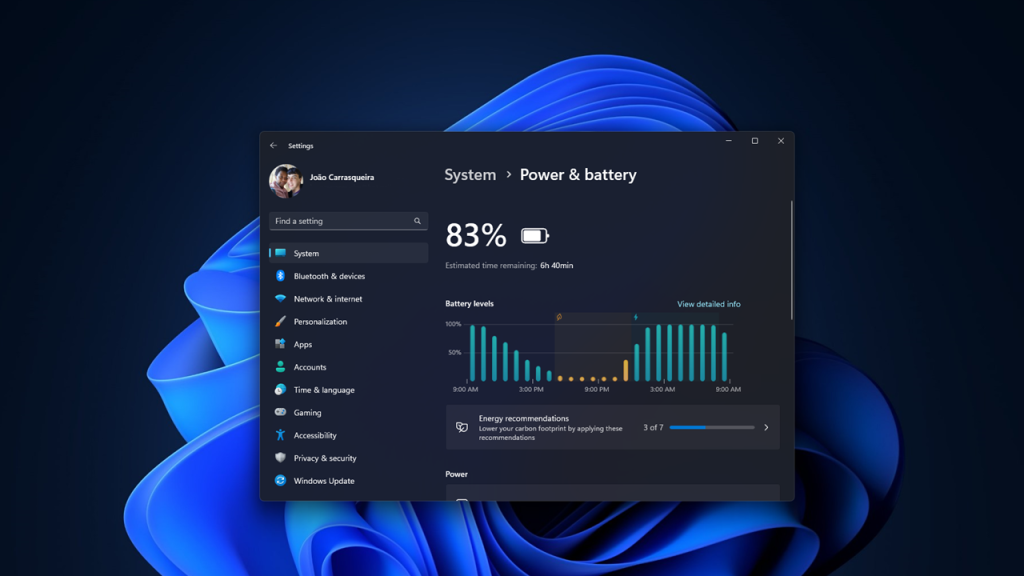
    Monitor Battery Usage

    Windows 12 provides detailed insights into which apps are consuming the most power.

    To check battery usage:

    • Open Settings
    • Go to Power and Battery
    • View Battery Usage

    This helps you identify which apps or processes are draining your battery and take action accordingly.

    Enable Sleep and Hibernate Settings

    Proper sleep settings prevent unnecessary battery drain when your laptop is idle.

    Configure your system to:

    • Sleep after a short period of inactivity
    • Use hibernate for longer breaks

    Hibernate uses almost no power and is ideal when you are not using your laptop for several hours.

    Maintain Battery Health

    Battery optimization is not just about software settings. Physical care also matters.

    Good habits include:

    • Avoid keeping your laptop plugged in all the time
    • Keep battery levels between 20 percent and 80 percent
    • Avoid extreme heat exposure
    • Use the original charger

    These practices help extend the overall lifespan of your battery.

    Use AI Powered Optimization Features

    Windows 12 Iso Download is expected to introduce smarter AI based battery management.

    These features may:

    • Learn your usage patterns
    • Adjust performance automatically
    • Limit background activity during idle periods

    Make sure these features are enabled once available, as they can optimize your system without manual effort.

    Real Life Tips That Actually Work

    Beyond settings and features, daily habits play a big role.

    For example, if you often work in coffee shops or during travel, lowering brightness and disabling unused features can easily give you an extra hour or two of battery life.

    If you are someone who keeps dozens of browser tabs open, simply reducing them can make a noticeable difference.

    Battery optimization is not about one big change. It is about combining small improvements that add up over time.

    Common Mistakes to Avoid

    Many users unknowingly reduce their battery life by making simple mistakes.

    Avoid these:

    • Running your laptop at maximum brightness all the time
    • Ignoring background apps
    • Keeping unnecessary devices connected
    • Skipping system updates
    • Using high performance mode on battery

    Fixing these habits alone can significantly improve battery performance.

    Final Thoughts

    Windows 12 brings modern features and improved performance, but battery life still depends heavily on how you use your system.

    By applying the tips in this guide, you can extend your laptop battery life, improve efficiency, and reduce the need for frequent charging.

    Start with simple changes like adjusting brightness and enabling Battery Saver, then move on to deeper optimizations like managing apps and power settings.

    Over time, these small improvements will make your laptop more reliable, especially when you need it the most.

  • Windows 12 Gaming Performance Review Guide

    Windows 12 Gaming Performance Review Guide

    Gaming on Windows has always been a core part of the PC experience. From early DirectX support to modern features like ray tracing and AI powered enhancements, each Windows version has tried to push gaming further. Now with Windows 12 on the horizon, gamers are asking one simple question: does it actually improve performance, or is it just another visual upgrade?

    This detailed review breaks down what Windows 12 brings to gaming, how it compares to Windows 11, and whether it is worth upgrading if performance is your priority.

    First Impressions of Windows 12 for Gamers

    When you first boot into Windows 12, the changes are noticeable but not overwhelming. The interface feels cleaner and more responsive, but the real story lies under the hood.

    Microsoft appears to be focusing heavily on performance efficiency. Instead of only adding new features, Windows 12 seems optimized to better manage system resources, especially for gaming workloads. Background processes are more controlled, memory allocation is smarter, and GPU scheduling has been refined.

    For gamers, this translates into smoother gameplay, faster load times, and better consistency.

    Improved FPS Performance

    One of the biggest expectations from any new Windows version is better frame rates. Early tests and user reports suggest that Windows 12 offers a modest but noticeable FPS improvement in many games.

    On average:

    • AAA titles show a 5 to 12 percent FPS increase
    • Competitive games like Valorant and CS2 show more stable frame pacing
    • Older games benefit from improved compatibility and smoother rendering

    This improvement does not come from raw power, but from better system optimization. Windows 12 reduces CPU overhead and improves how the GPU communicates with the system.

    In real world gaming, this means fewer sudden drops and a more stable experience, especially during intense scenes.

    DirectX Enhancements and Graphics Boost

    Windows 12 is expected to build further on DirectX 12 Ultimate, introducing refinements that enhance graphics without sacrificing performance.

    Some key improvements include:

    • Better ray tracing efficiency
    • Faster shader compilation
    • Reduced stuttering during texture loading
    • Improved support for modern GPUs

    Games that support advanced rendering techniques benefit the most. Visual quality looks sharper, lighting feels more natural, and performance remains stable even with high settings enabled.

    For gamers who enjoy visually rich titles, this is a noticeable step forward.

    Faster Load Times with Storage Optimization

    Another area where Windows 12 shines is storage performance. With improvements to DirectStorage technology, games can load assets faster directly from SSDs to the GPU.

    What this means in practice:

    • Reduced loading screens
    • Faster open world streaming
    • Less pop in textures
    • Quicker game launches

    If you are using an NVMe SSD, the difference becomes even more noticeable. Open world games feel more seamless, and transitions between areas are smoother.

    Reduced Input Lag and Better Responsiveness

    Input lag can make or break a gaming experience, especially in competitive titles. Windows 12 focuses on reducing latency through improved input handling and better synchronization between hardware and software.

    Gamers can expect:

    • Faster keyboard and mouse response
    • Improved controller input accuracy
    • Reduced system latency in fullscreen mode

    While the improvements may seem small on paper, they are very noticeable during fast paced gameplay.

    AI Powered Performance Optimization

    One of the standout additions in Windows 12 is the use of AI to optimize performance. The system can analyze how you use your PC and adjust resource allocation accordingly.

    For gaming, this includes:

    • Prioritizing game processes over background apps
    • Dynamically adjusting CPU and GPU usage
    • Optimizing power consumption for laptops

    This feature works quietly in the background, but it can lead to smoother gameplay and fewer interruptions.

    Windows 12 vs Windows 11 Gaming Comparison

    When comparing Windows 12 to Windows 11, the differences are not dramatic at first glance, but they add up over time.

    Windows 11 already introduced features like Auto HDR and DirectStorage, but Windows 12 refines them further.

    Key differences:

    • Better resource management in Windows 12
    • Slightly higher and more stable FPS
    • Improved multitasking without affecting gameplay
    • Lower background CPU usage

    If Windows 11 felt good for gaming, Windows 12 feels more polished and consistent.

    Gaming on Low End and Mid Range PCs

    Not everyone uses a high end gaming rig, and this is where Windows 12 makes a meaningful impact.

    Low end and mid range systems benefit from:

    • Reduced system overhead
    • Better memory usage
    • Improved integrated graphics performance

    Even older systems feel more responsive, and games that previously struggled may run more smoothly.

    This makes Windows 12 a strong option for budget gamers.

    Battery Performance for Gaming Laptops

    Gaming laptops often struggle with battery life, especially during intensive sessions. Windows 12 introduces smarter power management to help extend battery usage.

    Improvements include:

    • Adaptive performance scaling
    • Better background app control
    • Efficient GPU usage

    While gaming on battery still drains power quickly, users may notice slightly longer sessions compared to Windows 11.

    Compatibility and Game Support

    A major concern with any new operating system is compatibility. Fortunately, Windows 12 maintains strong support for existing games and platforms.

    Most games that run on Windows 10 and 11 work seamlessly on Windows 12. Popular launchers like Steam, Epic Games, and Xbox Game Pass are fully supported.

    Older games also benefit from improved compatibility settings, making it easier to run classic titles without issues.

    Real World Gaming Experience

    Numbers and benchmarks are useful, but the real test is how games feel during actual play.

    In real world use:

    • Games launch faster and run smoother
    • Frame drops are less frequent
    • Background apps interfere less with performance
    • Overall experience feels more stable

    Even small improvements combine to create a noticeably better gaming environment.

    Potential Downsides

    While Windows 12 offers many benefits, it is not perfect.

    Some users may experience:

    • Initial driver compatibility issues
    • Bugs in early versions
    • Limited benefits on very old hardware

    As with any new system, updates and patches will likely improve stability over time.

    Is Windows 12 Worth It for Gaming

    If you are a gamer, upgrading to Windows 12 Download makes sense, especially if you want better performance and smoother gameplay.

    However, the upgrade is not mandatory. Windows 11 still performs well, and the improvements in Windows 12 are incremental rather than revolutionary.

    You should consider upgrading if:

    • You want the latest performance optimizations
    • You use modern hardware
    • You play competitive or demanding games

    If your system is older or already running well, waiting for a stable release may be the smarter choice.

    Final Thoughts

    Windows 12 does not completely change gaming, but it refines it in ways that matter. Better FPS stability, reduced latency, faster load times, and smarter resource management all contribute to a smoother experience.

    It feels like Microsoft has focused less on flashy features and more on real performance improvements. For gamers, that is exactly what matters.

    Over time, as developers optimize games for Windows 12, the benefits are likely to grow even further. For now, it stands as a solid upgrade that quietly enhances the way games run and feel on PC.

  • Windows 12 Release Date and Latest News

    Windows 12 Release Date and Latest News

    The anticipation around Windows 12 is steadily growing, and it is easy to see why. Every time Microsoft hints at the future of Windows, users start asking the same question: when is Windows 12 actually coming out, and what will it bring?

    While Microsoft has not officially confirmed everything yet, there is already a mix of reliable leaks, insider discussions, and industry predictions that give us a fairly clear picture. If you are someone who follows tech updates closely or just wants to know whether it is worth waiting for the next Windows version, this guide breaks it all down in a simple and practical way.

    Is Windows 12 Officially Confirmed

    Windows 12

    Microsoft has not made a full formal announcement labeled as Windows 12, but there are strong signals that a next generation Windows system is in development. Over the past couple of years, Microsoft has shifted to a more flexible update cycle instead of sticking strictly to the old version numbering system.

    However, references to a future version of Windows have been spotted in developer builds, internal presentations, and partner discussions. Industry experts widely believe that Windows 12 is real and already in active development.

    In simple terms, even if Microsoft has not used the exact name publicly, the next major upgrade is definitely coming.

    Expected Windows 12 Release Date

    If you are hoping for a confirmed date, there is none yet. But based on patterns and insider reports, we can make a realistic estimate.

    Microsoft released Windows 11 in October 2021. Historically, major Windows versions used to arrive every three to six years. Following that pattern, many experts expect Windows 12 to launch sometime in late 2025 or early 2026.

    Some leaks also suggest that Microsoft is targeting a release window aligned with new hardware cycles, especially AI powered PCs. That could push the release closer to the second half of 2025.

    So while nothing is officially locked in, a late 2025 release remains the most widely accepted expectation.

    Why Windows 12 Might Be a Big Upgrade

    Windows 11 brought a visual redesign and performance improvements, but Windows 12 is expected to go much further. This is not just another update. It may represent a shift in how the operating system works.

    One of the biggest reasons is Microsoft’s growing focus on artificial intelligence. The company is investing heavily in AI tools across its ecosystem, and Windows 12 is likely to be built with AI at its core.

    Instead of just being a platform that runs software, Windows may become a system that actively helps you work smarter.

    AI Integration Will Be the Centerpiece

    If there is one feature that defines Windows 12, it is AI.

    Microsoft has already introduced AI features like Copilot in Windows 11, but Windows 12 is expected to take things much further. Imagine an operating system that understands your habits, predicts your needs, and automates repetitive tasks without you asking.

    For example, Windows 12 could organize your files based on how you use them, suggest actions depending on your workflow, and even adjust system settings automatically for better performance.

    This is not just speculation. Microsoft has clearly stated its goal to integrate AI deeply into Windows, and upcoming hardware from major manufacturers is already being designed with AI acceleration in mind.

    New User Interface and Design Changes

    Every new version of Windows brings some design changes, and Windows 12 will likely continue that trend.

    Leaked concepts suggest a more modular and flexible interface. You might see floating taskbars, dynamic widgets, and a cleaner desktop experience that adapts to different devices.

    There are also hints of a more web integrated interface, where parts of the system can update independently without requiring full system updates. This could make Windows feel faster and more modern.

    For users, this means less clutter and more personalization.

    Improved Performance and Efficiency

    Performance is always a major focus, and Windows 12 is expected to improve both speed and efficiency.

    One of the key goals is better resource management. The system may use AI to allocate CPU and memory based on your usage patterns. That means smoother multitasking and fewer slowdowns.

    Battery life improvements are also expected, especially for laptops. With smarter power management, Windows 12 could help devices last longer on a single charge.

    For gamers and professionals, this could translate into a noticeable upgrade in day to day performance.

    Better Support for New Hardware

    Windows 12 is being designed with future hardware in mind. This includes support for new processors, improved GPU performance, and better compatibility with advanced devices.

    One major trend is the rise of AI focused chips. Companies like Intel, AMD, and Qualcomm are already working on processors with dedicated AI engines. Windows 12 will likely take full advantage of these capabilities.

    This also means that older devices may not support all features, so upgrading hardware might be necessary to experience everything Windows 12 offers.

    Cloud Integration and Smart Features

    Another area where Windows 12 is expected to improve is cloud integration.

    Microsoft is pushing services like OneDrive, Azure, and Microsoft 365, and Windows 12 will likely connect more deeply with these platforms. This could make file access, backups, and collaboration easier than ever.

    Imagine starting a task on one device and continuing it seamlessly on another without manually transferring files. That is the kind of experience Microsoft is aiming for.

    Security Enhancements

    Security is becoming more important with every passing year, and Windows 12 will likely introduce stronger protections.

    Expect improvements in areas like data encryption, identity protection, and threat detection. AI may also play a role here by identifying unusual activity and stopping threats before they cause damage.

    With cyber threats evolving constantly, these upgrades will be essential for both personal and professional users.

    Will Windows 12 Be a Free Upgrade

    This is one of the most common questions. While there is no official confirmation yet, Microsoft allowed free upgrades from Windows 10 to Windows 11 for many users.

    There is a good chance that Windows 12 will follow a similar model, at least for compatible devices. However, certain features may be limited to newer hardware.

    If you are already using Windows 11, you may not need to pay for the upgrade, but it will depend on Microsoft’s final strategy.

    Should You Wait for Windows 12

    This depends on your current situation.

    If your system is running well on Windows 11, there is no urgent need to upgrade immediately. Windows 11 will continue receiving updates and support for several years.

    However, if you are planning to buy a new PC, it might be worth waiting to see what Windows 12 offers. New devices will likely be optimized for the upcoming system, especially when it comes to AI features.

    In short, there is no wrong choice, but timing your upgrade can help you get the most value.

    Latest News and Industry Insights

    Recent discussions in the tech community suggest that Microsoft is accelerating its AI plans. Partnerships with hardware manufacturers and increased investment in cloud infrastructure are strong indicators that Windows 12 Iso will focus heavily on intelligent computing.

    There are also reports that Microsoft is experimenting with a more modular version of Windows, which could allow faster updates and better customization.

    While not all leaks turn out to be accurate, the overall direction is clear. Windows is evolving into a smarter, more adaptive platform.

    Final Thoughts

    Windows 12 is shaping up to be more than just the next version of an operating system. It represents a shift toward a more intelligent and connected computing experience.

    From AI powered features to improved performance and deeper cloud integration, there is a lot to look forward to. While the exact release date is still uncertain, the signs point to a launch in the near future.

    For now, the best approach is to stay informed and keep an eye on official announcements. Whether you are a casual user or a tech enthusiast, Windows 12 is definitely something worth watching.

  • Windows 12 Features and Release Timeline Guide

    Windows 12 Features and Release Timeline Guide

    Windows has always evolved quietly in the background of our daily work, but every few years, Microsoft makes a leap that changes how we interact with our computers. Windows 12 is shaping up to be one of those major leaps. While Microsoft has not officially announced every detail yet, a mix of insider reports, developer hints, and industry trends paints a clear picture of what we can expect.

    If you are someone who relies on Windows for work, gaming, or everyday browsing, understanding what Windows 12 might bring can help you prepare early and make smarter upgrade decisions.

    A New Direction for Windows

    Windows 12

    Microsoft has been gradually shifting Windows from a traditional operating system into something more intelligent and cloud connected. Windows 11 introduced design changes and tighter hardware requirements, but Windows 12 is expected to go much further.

    Instead of just improving performance and visuals, the focus now seems to be on making the system smarter, more adaptive, and deeply integrated with artificial intelligence. This change reflects how people use computers today. We no longer just run programs. We expect systems to assist us, automate tasks, and understand context.

    Windows 12 appears to be built around that idea.

    Expected Release Timeline

    Microsoft typically follows a predictable cycle when it comes to major Windows releases. Based on previous patterns and industry leaks, Windows 12 is expected to launch sometime in late 2025 or early 2026.

    Here is a realistic breakdown of the timeline:

    Early previews likely began with internal builds and developer testing in 2024
    Public insider builds started appearing in limited channels during 2025
    A broader rollout is expected between October 2025 and March 2026

    If you have followed past releases, this approach will feel familiar. Microsoft usually tests heavily before pushing updates to the general public.

    It is also likely that Windows 12 will roll out in phases. Not every device will receive it on day one. Compatibility, hardware readiness, and region may affect availability.

    A Fresh User Interface Experience

    One of the first things users notice in any new Windows version is the interface. Windows 12 is expected to introduce a cleaner and more flexible design.

    Instead of the fixed layouts we are used to, the interface may become more modular. This means different elements such as the taskbar, widgets, and system panels could adapt based on how you use your device.

    Some expected UI improvements include:

    A floating taskbar that adjusts based on screen size
    A smarter Start menu with personalized suggestions
    Dynamic widgets that update based on your behavior
    Improved multi desktop navigation

    The goal here is not just aesthetics. It is about reducing clutter and making everyday actions faster.

    From early concepts, the design feels lighter, less crowded, and more responsive.

    AI Integration at the Core

    If there is one feature that defines Windows 12, it is artificial intelligence.

    Microsoft has already started integrating AI into Windows 11 through tools like Copilot, but Windows 12 is expected to take this much further. AI will not just be an optional feature. It will be deeply embedded into the system.

    Here is what that could look like in real use:

    You ask your PC to organize files, and it does it automatically
    The system suggests replies while you type emails or documents
    Background tasks like updates and cleanup happen without manual input
    Search becomes conversational instead of keyword based

    Imagine opening your laptop and simply typing, “Find the document I worked on last week about budget planning,” and getting instant results without digging through folders.

    That is the level of interaction Windows 12 is aiming for.

    Improved Performance and Efficiency

    Performance improvements may not always be visible, but they are often the most important.

    Windows 12 is expected to be more efficient in how it uses system resources. This includes better memory management, faster boot times, and improved battery life for laptops.

    Microsoft is reportedly working on optimizing the operating system for modern hardware, especially systems with AI chips and advanced processors.

    Users can expect:

    Faster startup times
    Reduced background resource usage
    Better performance on both high end and mid range devices
    Improved battery efficiency for portable devices

    For everyday users, this simply means a smoother experience with fewer slowdowns.

    Cloud Integration and Flexibility

    Another major shift is how Windows interacts with the cloud.

    Download Windows 12 Iso is expected to rely more heavily on cloud services, allowing users to access files, settings, and even apps from anywhere. This does not mean everything will move online, but the system will be more flexible.

    For example:

    You could start working on a document on your desktop and continue on a laptop without manual syncing
    Your settings and preferences could follow you across devices
    Cloud based backups may become more seamless

    This approach is especially useful for people who work across multiple devices or locations.

    Enhanced Security Features

    Security has become a major concern in recent years, and Microsoft is likely to make it a central part of Windows 12.

    Building on the strict requirements introduced in Windows 11, the new version may include even stronger protections.

    Expected security improvements include:

    Better protection against malware and ransomware
    Enhanced hardware level security features
    Smarter threat detection powered by AI
    Stronger user authentication methods

    While these features may run quietly in the background, they play a critical role in keeping your data safe.

    Gaming Enhancements

    For gamers, every Windows update brings some level of excitement.

    Windows 12 is expected to improve gaming performance through better resource management and tighter integration with gaming technologies.

    Possible improvements include:

    Faster loading times with advanced storage optimization
    Better graphics performance with updated drivers and APIs
    Enhanced support for cloud gaming
    Improved compatibility with new gaming hardware

    Microsoft has been investing heavily in gaming, and Windows 12 is likely to reflect that focus.

    System Requirements and Compatibility

    If Windows 11 taught us anything, it is that Microsoft is willing to raise hardware requirements.

    Windows 12 may continue this trend, especially if it relies heavily on AI features. Systems with modern processors, sufficient RAM, and security chips are likely to be required.

    While exact specifications are not confirmed, you can expect:

    A modern processor from recent generations
    At least 8 GB of RAM for smooth performance
    SSD storage for faster operations
    Support for advanced security features

    Older devices may still run Windows 12, but they might not support all features.

    Will Windows 12 Be a Free Upgrade

    One of the most common questions is whether Windows 12 will be free.

    Based on previous releases, Microsoft may offer it as a free upgrade for eligible Windows 11 users. However, this will depend on hardware compatibility and licensing.

    Businesses and enterprise users may have different upgrade paths, often tied to subscription models.

    For individual users, it is likely that if your system supports it, you will not need to pay separately.

    How Windows 12 Could Change Daily Use

    It is easy to focus on features, but the real question is how Windows 12 will feel in everyday use.

    If Microsoft delivers on its vision, the experience will be more intuitive. Tasks that currently take several steps could become automatic. Searching, organizing, and even troubleshooting might feel more like having a conversation than navigating menus.

    For example, instead of opening multiple settings to fix an issue, you might simply ask the system to resolve it. Instead of manually sorting files, the system might suggest organization based on your habits.

    This shift may take some getting used to, but it has the potential to save time and reduce frustration.

    Early Impressions and Expectations

    Even before its official release, Windows 12 has generated strong interest. The combination of AI integration, design improvements, and performance upgrades makes it one of the most anticipated operating system updates in years.

    At the same time, expectations should remain realistic. Not every feature will be perfect at launch. Some may evolve over time through updates.

    That said, Microsoft seems committed to pushing Windows into a smarter and more adaptive future.

    Should You Wait for Windows 12

    If you are currently using Windows 10 or Windows 11, you might be wondering whether to upgrade now or wait.

    If your system runs smoothly and meets modern requirements, waiting for Windows 12 could be a good choice. You will likely benefit from better performance and more advanced features.

    However, if your current setup feels slow or outdated, upgrading to Windows 11 now can still provide noticeable improvements.

    Ultimately, the decision depends on your needs and hardware.

    Final Thoughts

    Windows 12 is not just another update. It represents a shift in how operating systems are designed and used.

    With AI at its core, a more flexible interface, and deeper cloud integration, it aims to make computing simpler and more intuitive. While some details are still uncertain, the overall direction is clear.

    For users, this means a system that does more of the heavy lifting, allowing you to focus on what matters most.

    As the release approaches, keeping an eye on official announcements and early previews will help you stay prepared. Whether you are a casual user or someone who depends on Windows daily, Windows 12 is worth paying attention to.

  • Windows 12 AI Features and Smart Integration Guide

    Windows 12 AI Features and Smart Integration Guide

    Windows has always evolved with the way people use computers. From simple task management in earlier versions to the highly visual and cloud-connected experience of Windows 11, each update has brought something meaningful. Now, Windows 12 is expected to take a major leap forward by deeply integrating artificial intelligence into the core of the operating system.

    This is not just about adding a few AI tools on top. Windows 12 is shaping up to be a system where AI works quietly in the background, learns from your habits, and actively helps you get things done faster. For everyday users, professionals, and creators, this shift could change how computers are used on a daily basis.

    A New Era of AI First Operating Systems

    Windows 12

    The biggest change with Windows 12 is the move toward an AI first design. Instead of treating AI as an optional feature, Microsoft is expected to build it into the foundation of the system. This means your PC will not only respond to commands but also anticipate what you need.

    Imagine opening your laptop in the morning and seeing a personalized dashboard that already suggests files, emails, and tasks based on your routine. If you usually check reports or attend meetings at a certain time, Windows 12 could prepare everything in advance without you having to search for it.

    This kind of smart interaction reduces time spent navigating menus and increases focus on actual work.

    Built In AI Assistant Across the System

    Windows 12 is likely to expand the role of AI assistants beyond what users have seen before. Instead of being limited to a single app, the AI assistant will be available system wide.

    This assistant can help with:

    • Writing emails or documents directly inside apps
    • Summarizing long files or web pages
    • Managing schedules and reminders
    • Answering questions without opening a browser

    For example, if you are working on a document, you can ask the AI to rewrite a paragraph, correct grammar, or even adjust the tone. The assistant becomes part of your workflow rather than a separate tool.

    Smart File Management and Search

    Searching for files has always been a challenge, especially when folders are cluttered. Windows 12 aims to solve this with AI powered search that understands context instead of just file names.

    You could type something like “presentation I worked on last week about marketing” and the system would locate the correct file instantly. This is possible because AI can analyze content inside files, not just their titles.

    File organization is also expected to improve. The system may automatically sort documents, images, and downloads into meaningful categories based on how you use them.

    Personalized User Experience

    One of the most practical uses of AI in Windows 12 is personalization. The system can learn your behavior over time and adjust settings automatically.

    This includes:

    • Adjusting brightness and performance based on usage
    • Recommending apps you might need during specific tasks
    • Prioritizing notifications that matter most
    • Customizing layouts for different workflows

    For instance, if you switch between work and entertainment modes, Windows 12 could change layouts, open relevant apps, and optimize system performance without manual adjustments.

    AI Powered Security Enhancements

    Security is another area where AI integration can make a real difference. Windows 12 is expected to use AI to detect unusual behavior and prevent threats before they cause damage.

    Instead of relying only on traditional antivirus scans, the system can monitor patterns in real time. If something unusual happens, like an unknown app trying to access sensitive data, the system can block it instantly.

    This proactive approach helps users stay protected without needing deep technical knowledge.

    Improved Performance and Resource Management

    AI can also play a key role in managing system resources. Windows 12 may use machine learning to understand which apps you use the most and allocate resources accordingly.

    This means:

    • Faster app launches
    • Better battery life on laptops
    • Reduced background processes
    • Smoother multitasking

    For example, if you often use a browser and a design tool together, the system can prioritize those apps to ensure they run smoothly.

    Seamless Integration with Cloud and Devices

    Modern computing is not limited to a single device. Windows 12 is expected to strengthen integration with cloud services and other devices.

    AI can help sync your work across devices in a smarter way. If you start a document on your PC and later switch to a tablet or phone, the system can pick up exactly where you left off.

    This continuity creates a more connected experience, especially for users who work across multiple platforms.

    Smarter Updates and Maintenance

    System updates are often seen as interruptions, but Windows 12 Iso File may change that experience. With AI, updates can be scheduled based on your usage patterns.

    Instead of restarting your PC at inconvenient times, the system can choose moments when you are less active. It can also optimize updates to reduce installation time.

    Maintenance tasks like disk cleanup and performance checks can happen automatically in the background.

    AI for Creativity and Content Creation

    Creators will likely benefit significantly from AI integration in Windows 12. Whether you edit videos, design graphics, or write content, AI tools can speed up the process.

    Possible features include:

    • Automatic image enhancement
    • Video editing suggestions
    • Real time transcription and translation
    • Content generation assistance

    These tools can help beginners get started while also saving time for experienced users.

    Accessibility and Inclusive Design

    AI has the potential to make technology more accessible. Windows 12 is expected to include smarter accessibility features powered by AI.

    This could involve:

    • Voice based navigation for hands free control
    • Real time captions for audio and video
    • Text to speech with natural sounding voices
    • Visual assistance for users with impairments

    Such features ensure that more people can use computers comfortably and efficiently.

    Challenges and Considerations

    While AI integration offers many benefits, it also raises important questions. Privacy is one of the biggest concerns. Since AI systems rely on user data to learn and improve, it is essential to ensure that this data is handled securely.

    Users will likely want control over how much data is collected and how it is used. Transparency from Microsoft will be key in building trust.

    Another consideration is system requirements. Advanced AI features may require more powerful hardware, which could limit access for users with older devices.

    What This Means for Everyday Users

    For most people, the shift to AI powered computing will feel gradual rather than overwhelming. You might first notice small improvements, like better search results or smarter suggestions. Over time, these features will become part of your daily routine.

    The goal is not to replace human effort but to reduce repetitive tasks and make technology more intuitive. Whether you are a student, professional, or casual user, Windows 12 aims to simplify how you interact with your computer.

    The Future of Windows with AI

    Windows 12 represents more than just another update. It signals a broader shift toward intelligent systems that adapt to users instead of forcing users to adapt to them.

    As AI continues to evolve, future versions of Windows could become even more personalized and efficient. Tasks that once required multiple steps might be completed with a single command or even automatically.

    This transformation is still unfolding, but one thing is clear. The role of AI in operating systems is only going to grow, and Windows 12 is set to lead that change.

  • Hidden Features in Windows 12 You Should Know

    Hidden Features in Windows 12 You Should Know

    Windows updates often grab attention for their big visual changes and new apps, but the real value usually lies beneath the surface. With Windows 12, Microsoft has quietly introduced a range of features that many users either overlook or never discover. These hidden tools can improve your workflow, strengthen your privacy, and make everyday tasks feel smoother.

    If you have recently upgraded or are planning to, this guide walks you through the lesser known features that are actually worth your time.

    Smart Taskbar Customization

    Windows 12

    At first glance, the Windows 12 taskbar looks familiar, but it has gained a layer of intelligent customization. You can now resize icons dynamically based on usage patterns. The system automatically highlights apps you use most, making them easier to access without manual pinning.

    There is also a new adaptive grouping system. Instead of stacking apps randomly, Windows organizes them based on how you work. For example, if you often open a browser with a note taking app, they will start appearing together.

    To access this, right click the taskbar, open settings, and explore the personalization options. It is subtle, but once you notice it, your navigation becomes faster.

    Built In AI Assistant Across Apps

    Windows 12 goes deeper with AI integration. Unlike previous versions where AI felt like an add on, it is now embedded into the operating system.

    You can highlight text anywhere and get instant summaries, rewrite suggestions, or quick answers without opening another app. It works inside documents, browsers, and even file names.

    This feature is especially useful for content creators, students, and professionals who deal with large amounts of text daily. Instead of switching between tools, everything happens in one place.

    Advanced Snap Layout Memory

    Snap layouts are not new, but Windows 12 improves them in a way that feels natural. The system now remembers your preferred layouts for specific tasks.

    If you usually keep your browser on the left and a spreadsheet on the right, Windows will automatically suggest or restore that layout when you reopen those apps.

    This small improvement saves time and reduces friction during multitasking. It feels like the system understands your habits.

    Energy Saver with Intelligent Control

    Battery optimization has become smarter. Windows 12 introduces an energy saver mode that does more than just reduce brightness.

    It learns your usage patterns and limits background activity for apps you rarely use. At the same time, it ensures that important apps keep running smoothly.

    On laptops, this can noticeably extend battery life without affecting performance in a major way.

    Hidden Privacy Dashboard

    Privacy settings have been redesigned and expanded. There is now a centralized dashboard where you can see which apps access your camera, microphone, location, and files.

    What makes it useful is the real time activity tracking. You can instantly spot if an app is using permissions in the background and disable it with one click.

    For users concerned about data security, this feature adds transparency that was missing in earlier versions.

    Voice Access Improvements

    Voice control in Windows 12 feels more practical than before. You can now navigate the entire system using voice commands with better accuracy.

    Opening apps, switching windows, typing text, and even editing documents can be done hands free. The system supports natural language, so commands feel less robotic.

    This is helpful not only for accessibility but also for multitasking when your hands are occupied.

    Quick Settings Redesign

    The Quick Settings panel has been refined to be more useful. Instead of fixed toggles, you can now customize what appears based on your needs.

    You can add controls for Bluetooth devices, focus mode, network settings, and more. It turns the panel into a mini control center that adapts to your daily routine.

    Many users ignore this section, but spending a few minutes customizing it can save hours over time.

    Focus Mode with Deep Integration

    Focus mode is no longer just a timer. It now connects with apps, notifications, and even your calendar.

    When activated, it can silence distractions, pause notifications, and create a clean workspace. It also tracks your focus sessions and provides simple insights into your productivity patterns.

    If you struggle with distractions, this feature is worth exploring.

    File Explorer Tabs with Smart Search

    File Explorer has received meaningful upgrades. Tabs make it easier to manage multiple folders, but the real improvement is in search.

    The new search system understands context. You can type phrases like documents from last week or images larger than 5MB, and it will show relevant results.

    This saves time compared to manually filtering files and folders.

    Background App Control

    Windows 12 gives you better control over which apps run in the background. You can individually manage permissions and resource usage.

    This is particularly useful for improving system performance. By limiting unnecessary background processes, your PC can run faster and more efficiently.

    Auto Cleanup and Storage Optimization

    Storage management has become more automated. The system can now detect duplicate files, temporary data, and unused apps.

    It suggests what you can safely remove and can even handle cleanup automatically if you enable the feature.

    For users who often run out of storage, this can make a noticeable difference.

    Hidden Gesture Controls

    On touch enabled devices, Windows 12 introduces new gesture controls that are not immediately obvious.

    You can swipe between apps, access quick settings, or minimize windows with simple gestures. These controls make navigation faster and more intuitive once you get used to them.

    Dynamic Refresh Rate Control

    For devices with high refresh rate displays, Windows 12 includes dynamic adjustment. The system changes the refresh rate based on what you are doing.

    For example, it uses a higher rate while scrolling or gaming and lowers it during static tasks to save power.

    This improves both performance and battery efficiency without requiring manual changes.

    Secure App Sandbox

    Security has been improved with a sandbox feature for unknown apps. When you install a new application, you can run it in an isolated environment.

    This prevents potential threats from affecting your system. It is especially useful when testing software from unknown sources.

    Clipboard History Upgrade

    Clipboard history is more powerful now. You can store multiple items, including text and images, and access them later.

    It also syncs across devices if you use the same Microsoft account. This makes it easier to move content between devices without extra tools.

    Why These Hidden Features Matter

    At first, these features may seem small, but together they shape how Windows 12 Iso Download feels in daily use. They reduce repetitive tasks, improve speed, and give you more control over your system.

    Most users stick to default settings and miss out on these improvements. Taking time to explore them can completely change your experience.

    Final Thoughts

    Windows 12 is not just about visual updates or new apps. Its real strength lies in the details that quietly improve how you work and interact with your computer.

    From smarter multitasking to better privacy controls, these hidden features show how the operating system is evolving to match real user behavior.

    If you want to get the most out of Windows 12, do not stop at the surface. Explore the settings, try new tools, and adjust the system to fit your workflow. Once you do, you will start noticing how much smoother everything feels.

  • Windows 12 ISO Download Guide and Setup

    Windows 12 ISO Download Guide and Setup

    If you are planning to upgrade your system or install a fresh operating system, Windows 12 has quickly become one of the most talked about releases. With improved performance, deeper AI integration, and a cleaner interface, many users are actively searching for a safe way to download and install it.

    The challenge is simple. There is a lot of confusion online. Some websites offer unofficial ISO files, others provide outdated methods, and many guides skip important steps. This guide keeps things clear and practical so you can download the Windows 12 ISO safely and set it up without unnecessary risks.

    What is Windows 12 ISO

    Windows 12 ISO

    Before jumping into the download process, it helps to understand what an ISO file actually is. A Windows ISO is a complete image of the operating system. It contains all the files needed to install Windows from scratch.

    Think of it as a digital copy of the installation DVD. Instead of using physical media, you use a USB drive or virtual setup to install the system.

    For Windows 12, the ISO file allows you to:

    • Perform a clean installation
    • Upgrade from an older Windows version
    • Install Windows on a new PC
    • Create a bootable USB for recovery or setup

    Is Windows 12 Officially Available

    Here is where things get important. At the time of writing, Microsoft has not widely released a final public version labeled as Windows 12 in all regions. What you may find are:

    • Insider preview builds
    • Leaked or modified ISO files
    • Early testing versions

    Downloading from unofficial sources can expose your system to malware or unstable builds. So the safest approach is always to rely on Microsoft or trusted developer channels.

    If Microsoft releases an official ISO, it will be available through:

    • Microsoft official website
    • Windows Insider Program
    • Media Creation Tool or similar utilities

    System Requirements for Windows 12

    Before downloading the ISO, check if your system can handle the upgrade. While exact requirements may vary, most systems compatible with Windows 11 are expected to support Windows 12.

    Typical requirements include:

    • 64 bit processor with modern architecture
    • Minimum 8 GB RAM recommended
    • SSD storage for better performance
    • TPM 2.0 support
    • Secure Boot enabled

    If your system already runs Windows 11 smoothly, chances are high that it can handle Windows 12 without issues.

    How to Download Windows 12 ISO Safely

    Downloading the ISO file the right way is the most critical step. Here is a safe and practical approach.

    Method 1 Using Microsoft Insider Program

    If Windows 12 preview builds are available, follow these steps:

    1. Visit the official Microsoft Insider website
    2. Sign in with your Microsoft account
    3. Join the Insider Program
    4. Select the Dev or Canary channel
    5. Download the ISO file from the official dashboard

    This method ensures you are getting a legitimate version directly from Microsoft.

    Method 2 Using Windows Update

    Sometimes Microsoft rolls out preview builds through Windows Update instead of direct ISO downloads.

    1. Open Settings
    2. Go to Windows Update
    3. Join Insider Preview
    4. Download the latest available build

    After installation, you can create an ISO manually if needed.

    Method 3 Media Creation Tool Alternative

    If Microsoft releases a dedicated tool for Windows 12, it will work similar to previous versions.

    • Download the tool from Microsoft
    • Select Create Installation Media
    • Choose USB or ISO file
    • Follow the on screen instructions

    Avoid third party ISO download sites unless you are absolutely sure about their authenticity.

    Creating a Bootable USB Drive

    Once you have the ISO file, the next step is to prepare a bootable USB drive. This allows you to install Windows on any compatible system.

    What You Need

    • USB drive with at least 8 GB space
    • Windows 12 ISO file
    • Bootable tool like Rufus or official Microsoft tool

    Steps to Create Bootable USB

    1. Insert your USB drive
    2. Open Rufus or similar tool
    3. Select the ISO file
    4. Choose GPT partition scheme for modern systems
    5. Click Start and wait for completion

    After this, your USB is ready for installation.

    How to Install Windows 12 Step by Step

    Now comes the main part. Installing Windows 12 Iso Download is straightforward if you follow each step carefully.

    Step 1 Enter BIOS or Boot Menu

    Restart your computer and press the boot key. This is usually F2, F12, DEL, or ESC depending on your device.

    Select the USB drive as the boot device.

    Step 2 Start Windows Setup

    Once the system boots from USB:

    • Choose language and region
    • Click Install Now
    • Enter product key or skip

    Step 3 Choose Installation Type

    You will see two options:

    • Upgrade existing Windows
    • Custom installation

    For a fresh start, choose Custom.

    Step 4 Select Drive

    • Choose the partition where Windows will be installed
    • Format if needed
    • Click Next

    Windows will begin copying files and installing features.

    Step 5 Complete Setup

    After installation:

    • Set up your Microsoft account
    • Choose privacy settings
    • Configure preferences

    Within a few minutes, your Windows 12 desktop will be ready.

    Clean Install vs Upgrade

    This is a common question. Should you upgrade or perform a clean install?

    Upgrade

    • Keeps your files and apps
    • Faster process
    • May carry old bugs or clutter

    Clean Install

    • Fresh system performance
    • Removes unnecessary files
    • Requires backup before installation

    If your system feels slow or cluttered, a clean install is usually the better option.

    Common Issues and Fixes

    Even with a proper guide, some users run into issues. Here are a few common problems and simple fixes.

    Bootable USB Not Detected

    • Check BIOS boot order
    • Recreate USB using correct settings
    • Try a different USB port

    Installation Stuck

    • Wait at least 20 minutes before restarting
    • Disconnect unnecessary peripherals
    • Ensure ISO file is not corrupted

    TPM or Secure Boot Error

    • Enable TPM in BIOS
    • Turn on Secure Boot
    • Update BIOS if needed

    Tips for a Smooth Installation

    A few small steps can save a lot of trouble later.

    • Backup important files before starting
    • Use a reliable USB drive
    • Keep your device plugged in during installation
    • Disconnect external drives to avoid confusion
    • Download latest drivers after installation

    Is It Worth Installing Windows 12 Now

    This depends on your goal.

    If you enjoy testing new features and do not mind occasional bugs, preview builds can be interesting. You get early access to new tools, improved UI, and AI driven features.

    If you need stability for work or daily use, waiting for the official stable release is the smarter choice. Early builds can have compatibility issues with apps and drivers.

    Final Thoughts

    Downloading and installing Windows 12 is not complicated, but doing it the right way matters. The biggest mistake users make is rushing into unofficial downloads without checking the source.

    Stick to trusted methods, prepare your system properly, and follow each step carefully. Whether you are upgrading or starting fresh, a clean and safe installation ensures better performance and fewer problems later.

    If you are planning to try Windows 12, start with a backup, choose the correct method, and take your time during setup. A little patience at the beginning can save hours of troubleshooting later.

  • Windows 12 UI Leaks and New Design Explained

    Windows 12 UI Leaks and New Design Explained

    The idea of Windows 12 has been quietly building momentum for a while now. Even though Microsoft has not officially revealed everything, leaks, insider reports, and early previews are already giving us a surprisingly clear picture of what is coming next. And if these glimpses are anything to go by, Windows 12 is not just another update. It looks like a complete rethink of how the Windows experience should feel in a modern world.

    If you have used Windows 10 or even Windows 11, you might remember how each version tried to modernize the interface while keeping familiar elements intact. Windows 12 appears to go further. It is shaping up to be cleaner, more adaptive, and heavily influenced by AI-driven interactions.

    Let’s break down everything we know so far about Windows 12 UI leaks and what they actually mean for everyday users.

    A Fresh Look That Feels Familiar

    One of the most talked-about leaks shows a redesigned desktop layout that looks noticeably different from anything we have seen before. Instead of the traditional layout where everything is anchored to the bottom, Windows 12 appears to experiment with a more flexible design.

    In some leaked screenshots, the taskbar is floating slightly above the bottom edge, giving the interface a lighter and more modern feel. The system tray is separated and positioned at the top corner in certain builds, which might remind some users of macOS or even ChromeOS.

    At first glance, this might seem like a drastic change. But when you look closer, it is still very much Windows. The Start menu, icons, and navigation patterns are still intuitive. Microsoft seems to be walking a careful line between innovation and familiarity.

    Floating Taskbar and Modular Layout

    The floating taskbar is not just a visual tweak. It represents a broader shift toward modular UI design. This means different parts of the interface can move, adapt, or even disappear depending on what you are doing.

    For example, when working in full-screen apps or focusing on productivity tasks, the interface may minimize distractions by hiding certain elements. On the other hand, when you are browsing or multitasking, those same elements can reappear in a more accessible way.

    This kind of flexibility could make Windows feel less cluttered and more responsive to user behavior.

    Smarter Widgets and AI Integration

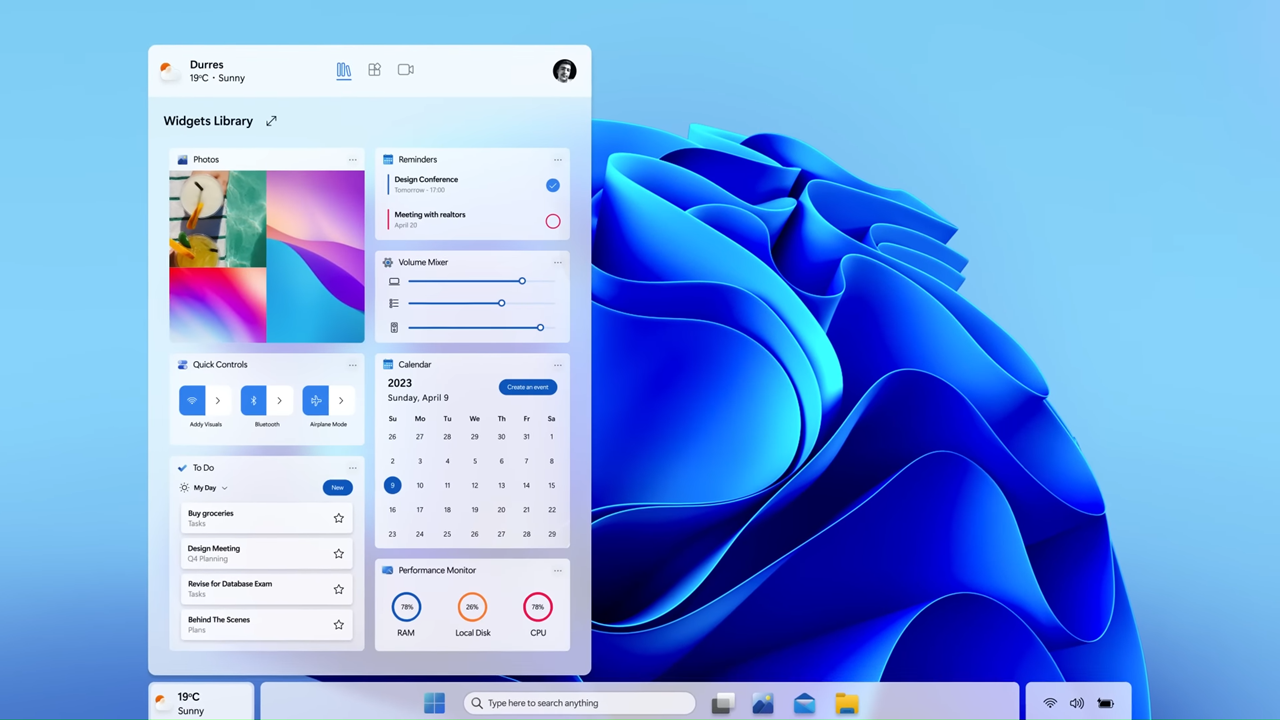
    One of the most exciting aspects of Windows 12 UI leaks is the deeper integration of AI. Widgets are expected to become far more intelligent and context-aware.

    Instead of static information panels, future widgets might adapt based on your habits. For instance, if you regularly check the weather in the morning or track stock prices during work hours, the system could automatically highlight those widgets at the right time.

    AI could also play a role in organizing your desktop, suggesting app layouts, or even optimizing system performance based on how you use your computer.

    This is not just about convenience. It is about making the operating system feel like it understands you.

    A Cleaner, Minimalist Design Language

    Windows 11 introduced rounded corners, softer shadows, and a more polished design. Windows 12 seems ready to refine that approach even further.

    Leaked visuals suggest:

    • More transparency effects that feel subtle rather than overwhelming
    • Smoother animations that make transitions feel natural
    • Simplified icons with consistent styling
    • Reduced visual clutter across menus and settings

    The overall goal appears to be clarity. Instead of overwhelming users with too many visual elements, Windows 12 aims to present information in a calm and structured way.

    This might not sound revolutionary, but in daily use, these small changes can make a big difference.

    Redesigned Start Menu Experience

    The Start menu has always been the heart of Windows, and it looks like Microsoft is rethinking it once again.

    Early leaks suggest a more dynamic Start menu that could include:

    • Personalized recommendations based on usage
    • Better organization of apps and files
    • Integration with cloud services for quick access
    • Adaptive layout depending on screen size and device type

    For users who rely heavily on the Start menu, this could make navigation faster and more intuitive.

    Better Multi Device Experience

    Windows 12 is expected to focus heavily on seamless experiences across devices. Whether you are switching between a laptop, tablet, or even a foldable device, the UI is rumored to adapt automatically.

    This includes:

    • Layout changes based on screen size
    • Touch-friendly controls when needed
    • Smooth transitions between keyboard and touch input

    This adaptability is especially important as more users move between different types of devices throughout the day.

    Enhanced Snap Layouts and Multitasking

    Multitasking has always been one of Windows’ strongest features, and Windows 12 Download looks ready to take it further.

    Leaked features suggest improvements like:

    • More customizable snap layouts
    • AI-assisted window placement
    • Faster switching between tasks
    • Better support for multiple monitors

    Imagine opening a set of apps and having Windows automatically arrange them in the most efficient way. That is the kind of experience Microsoft seems to be aiming for.

    Performance Focus Behind the Scenes

    While the UI changes are getting most of the attention, there is also a strong focus on performance improvements.

    Reports suggest that Windows 12 may use a more modular system architecture. This could allow for:

    • Faster updates
    • Better security
    • Improved performance on both high-end and low-end devices

    For users, this means a smoother experience without needing constant hardware upgrades.

    Cloud and Web Integration

    Another noticeable trend in Windows 12 leaks is deeper integration with cloud services. Microsoft appears to be pushing toward a more connected ecosystem.

    This could include:

    • Faster syncing of files and settings
    • Better integration with Microsoft 365 apps
    • Web-based features that reduce dependency on local storage

    While this might raise concerns for some users, it also opens up possibilities for more flexible and accessible computing.

    What These Leaks Really Mean

    It is important to remember that leaks are not final. Features can change, designs can evolve, and some ideas may never make it to the final release.

    However, the overall direction is clear. Microsoft is moving toward a smarter, cleaner, and more adaptive operating system.

    Instead of focusing only on visual upgrades, Windows 12 seems to prioritize how users interact with their devices on a daily basis.

    Should You Be Excited About Windows 12

    If you enjoy trying new features and staying up to date with technology, Windows 12 is definitely something to watch. The combination of AI integration, modern design, and improved performance could make it one of the most significant Windows releases in years.

    At the same time, if you prefer stability and familiarity, it might be worth waiting until the official release and early updates settle things down.

    Either way, the changes coming with Windows 12 are not just cosmetic. They reflect a broader shift in how operating systems are evolving.

    Final Thoughts

    Windows 12 UI leaks give us an early glimpse into what could be the next big step for Microsoft’s operating system. From floating taskbars to AI-powered features, the focus is clearly on creating a more personalized and efficient experience.

    What stands out the most is how these changes aim to simplify rather than complicate. The design feels intentional, the features feel practical, and the overall direction feels aligned with how people actually use their devices today.

    As more details emerge, it will be interesting to see how these ideas come together in the final version. For now, one thing is clear. Windows 12 is not just about looking different. It is about working smarter in a world that expects more from every click, tap, and interaction.